

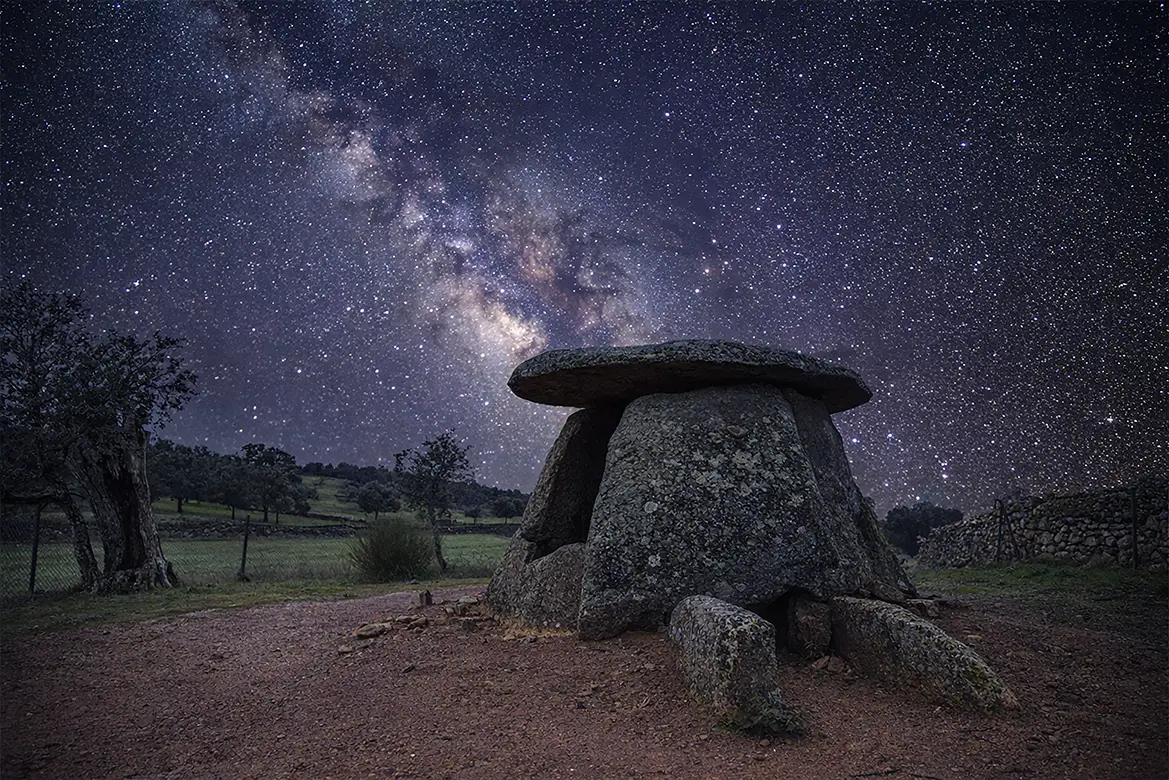
Valencia de Alcántara
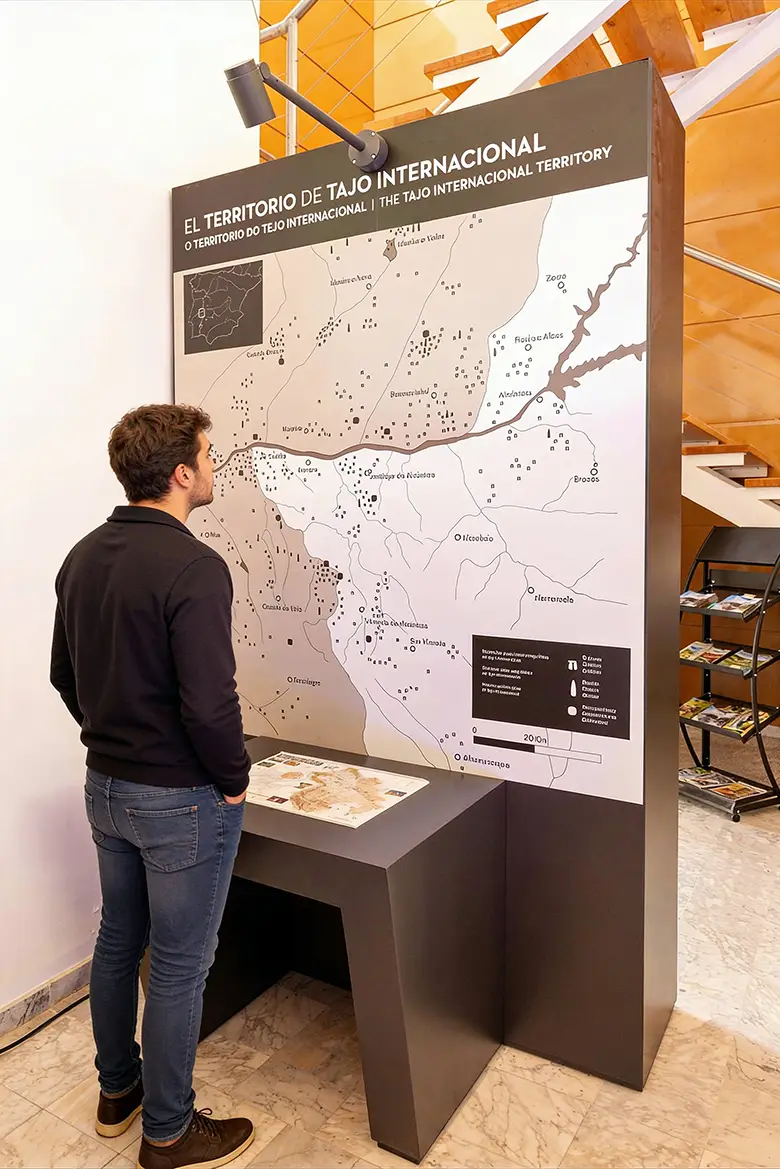
First and foremost, a visit to the First Settlers’ Heritage Centre is a must, to get you properly in the mood and understand what this whole business of megalithism is all about, amongst other aspects of local prehistory. And whilst you’re there, you can also explore Valencia Fortress, within which the centre is situated, and its fantastic keep.
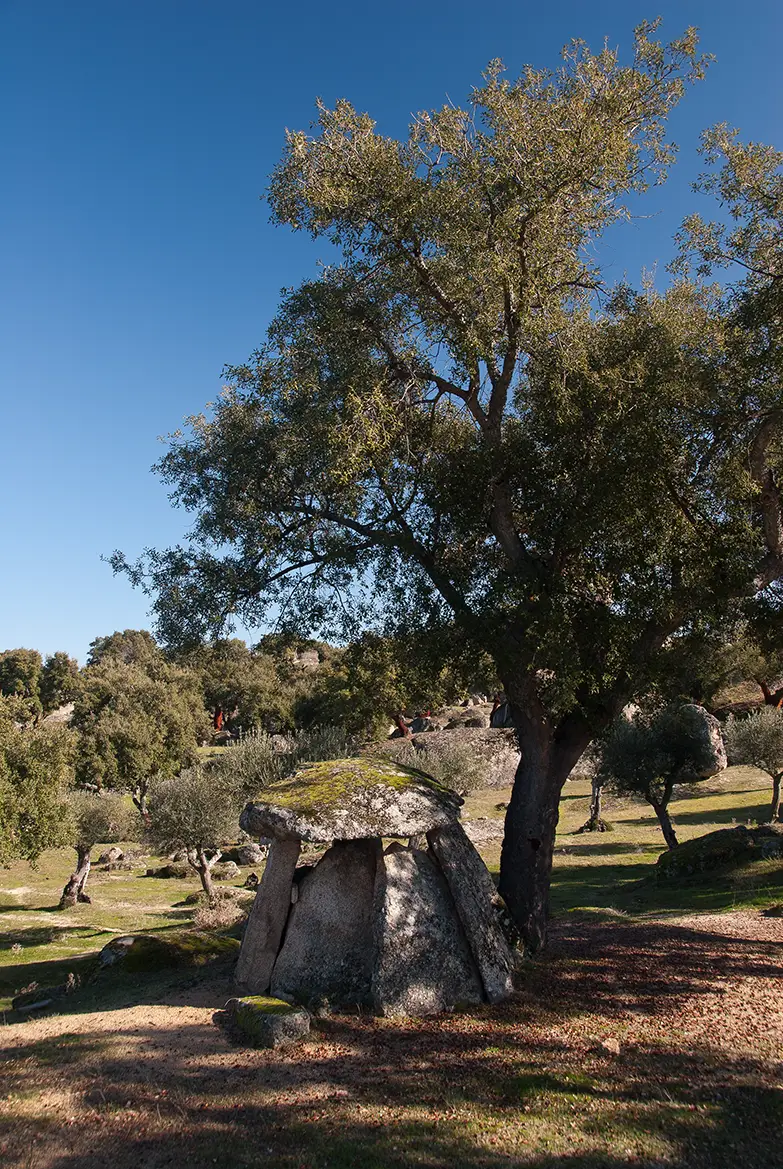
Dolmens of La Zafra
Right, let’s get started. The first route is on foot – bang! Heading north from the Jewish Gothic Quarter across the old stone bridge, you can reach the Camino de la Zarza, with sections of ancient road leading to the megalithic site. Of the four dolmens, the third is the most spectacular, but the whole landscape is breathtaking. It’s an 8 km round trip, but if you drive to the start of the path, you can cut it in half.
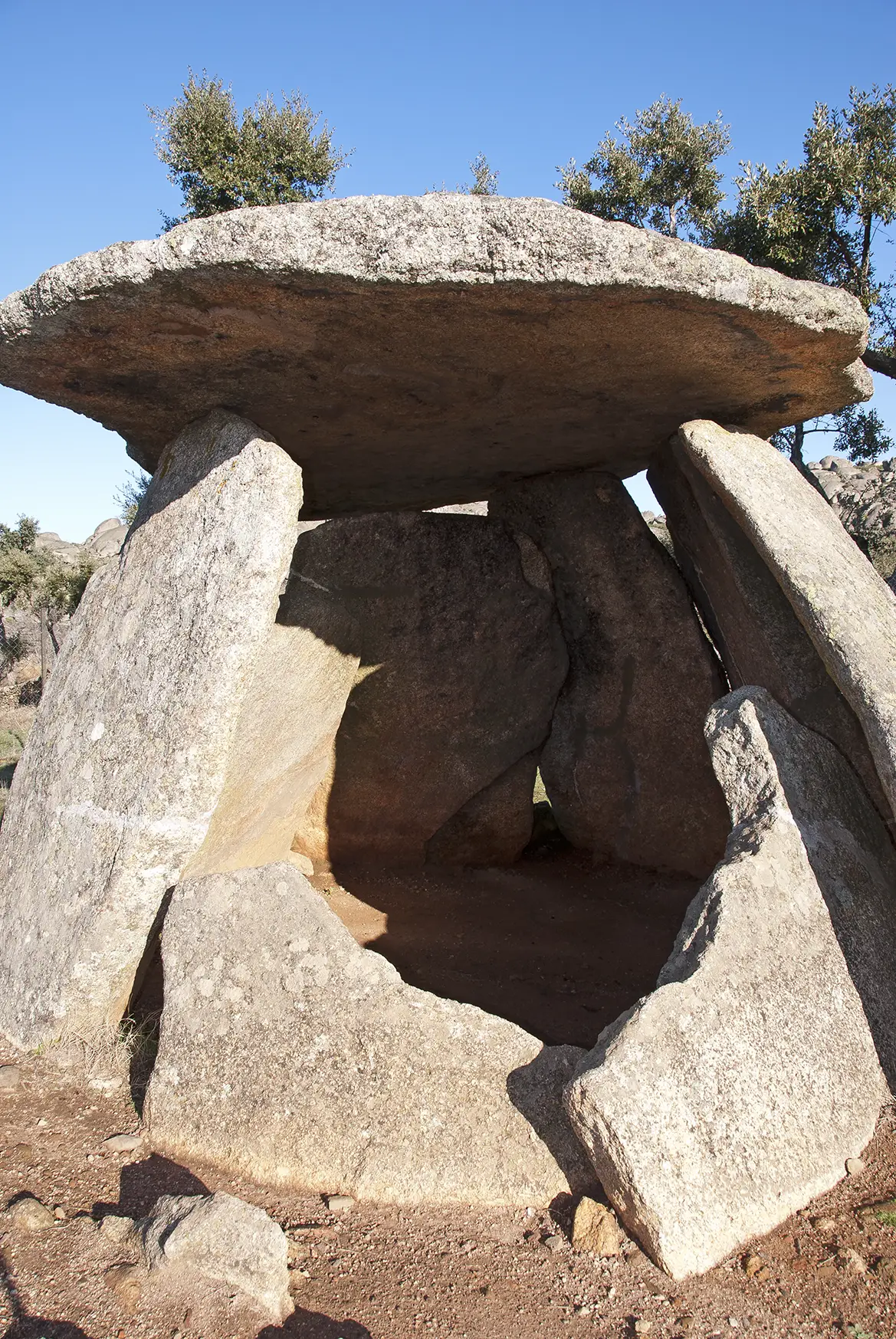
Twin Dolmen
There are many more, but this one is a must-see – the reserve’s icon, so to speak. You can drive as far as La Aceña de la Borrega (15 km) and then walk the remaining 2 km to the dolmen. It is situated in the spectacular Berrocal de la Data landscape, which has been declared a natural monument, and you can round off your visit with the dolmens at La Data or those at Cajirón, to the west and east respectively.
TRADITIONAL CUISINE
As time goes by and you’ve been exercising, your body will start to crave some fuel; if you haven’t brought any food with you, La Aceña de la Borrega is a fantastic place to treat yourself and sample authentic cuisine from the Rayana region. Or you can always head back to Valencia de Alcántara, of course; in any case, we recommend you don’t miss out on the mondongas, the bacalao a la dorada, the chanfaina or one of the rice dishes – you’ll thank us for it.
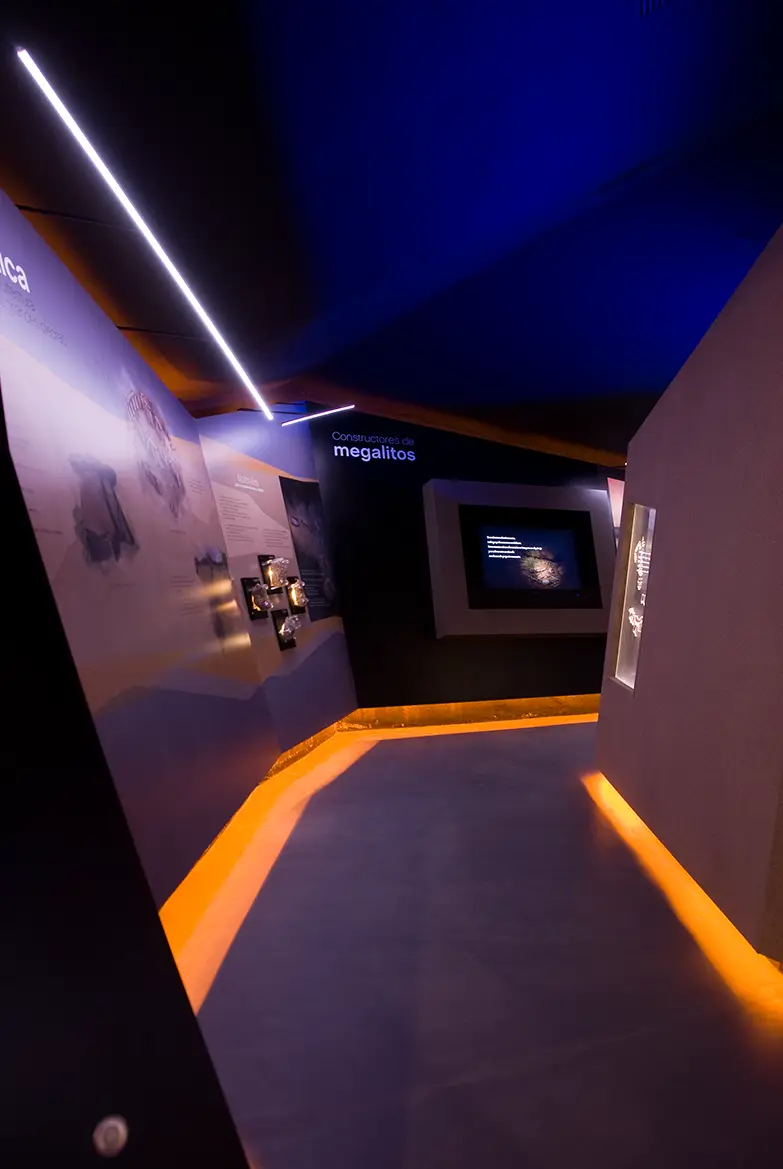
Santiago de Alcántara
Next stop: Santiago de Alcántara (27 km), to visit the Dolmen Culture Interpretation Centre, which is itself a buried dolmen, complete with its passageway. Call the El Péndere interpretation centre in advance to book this visit – it never disappoints; honestly, you’ll be amazed whilst learning everything there is to know about megalithic culture.
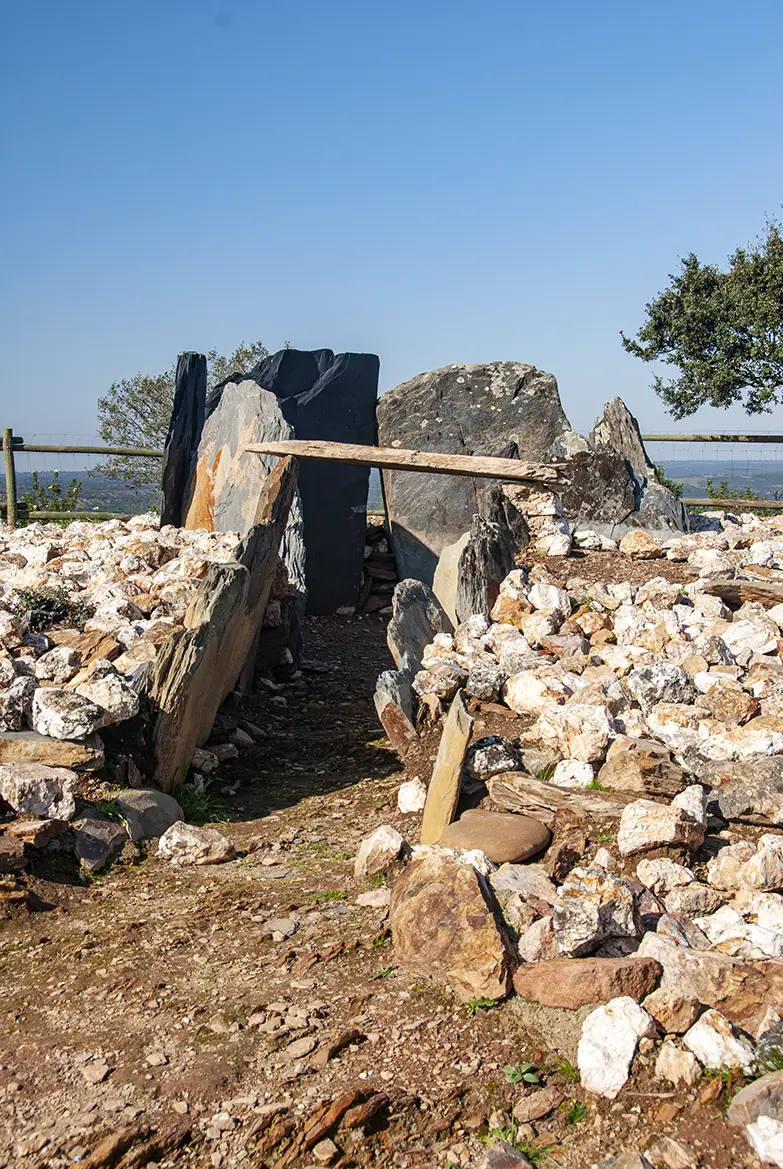
Dolmens from the Era de la Laguna period
Unlike those at Valencia de Alcántara, which are made of granite, these are made of slate, giving them a very different appearance. You can walk (2 km) from the interpretation centre itself to these magnificent megaliths, although if you’ve already had a long day, you can also reach them by car.
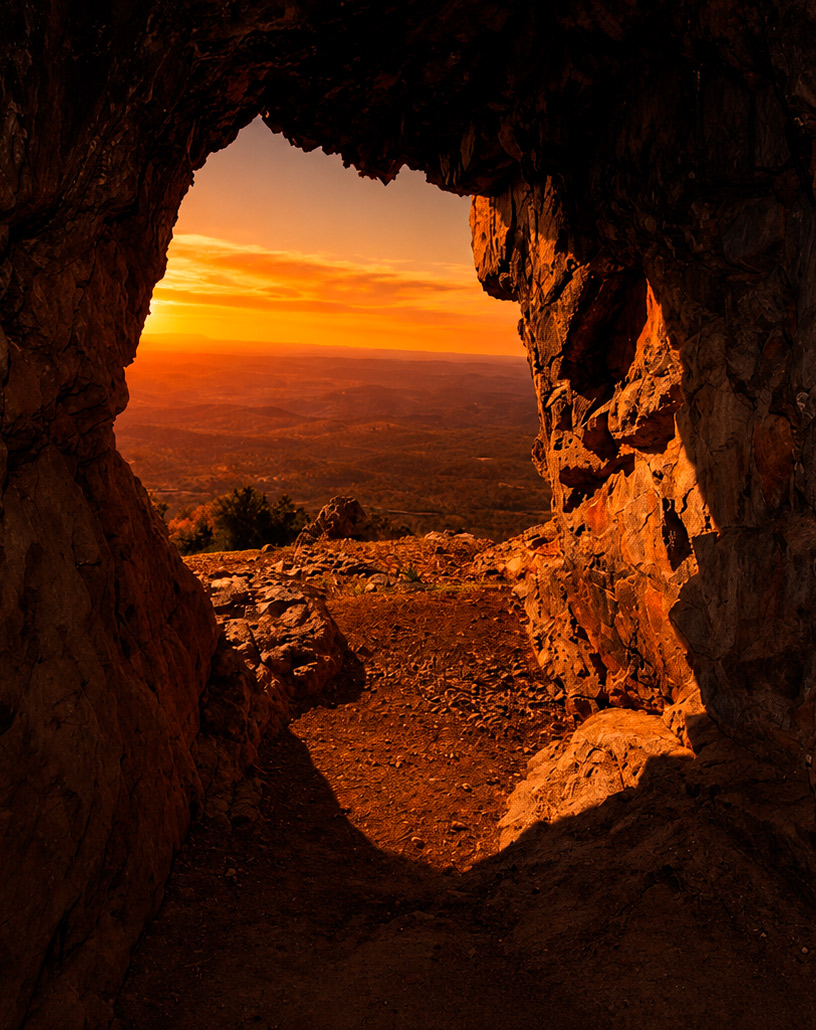
El Buraco
Still feeling up to it and have some time to spare? Well, from the visitor centre you can also head up to the Buraco Cave (2 km away), a rock shelter in the Sierra de Santiago featuring schematic cave paintings dating back some 5,000 years and spectacular views of the Tajo Internacional. And keep an eye on the sky – this is home to Bonelli’s eagles, golden eagles and imperial eagles, as well as griffon vultures and black vultures… a real spectacle of birds of prey.
 Spanish
  English