- GRAND TOUR OF UNESCO SITES

PILGRIMAGE TOURISM
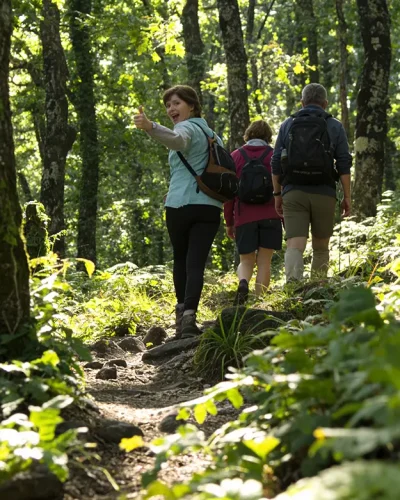
The tradition of pilgrimage in UNESCO territories dates back to the beginnings of this practice on the Iberian Peninsula, during the Middle Ages, when the first routes to Santiago were established; and, a few centuries later, the original monastery of Guadalupe took shape, which between the 14th and 16th centuries attracted more pilgrims than the apostle himself.
Home > Things to do > By theme > Pilgrimage tourism
Roads to Guadalupe
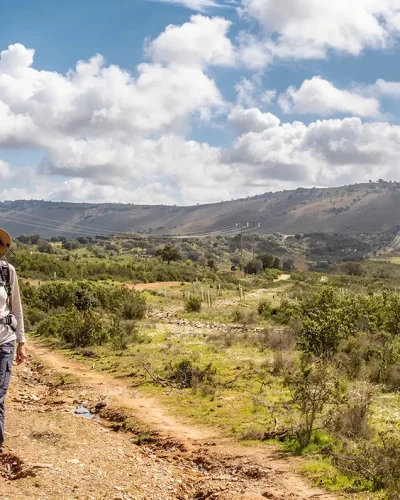
Sixteen routes, each one more fascinating than the last, leading to the imposing monastery of Guadalupe.
The Mozarabic Way through Trujillo
With its relatively short route and the appeal of combining Trujillo and Monfragüe.
Vía de la Plata
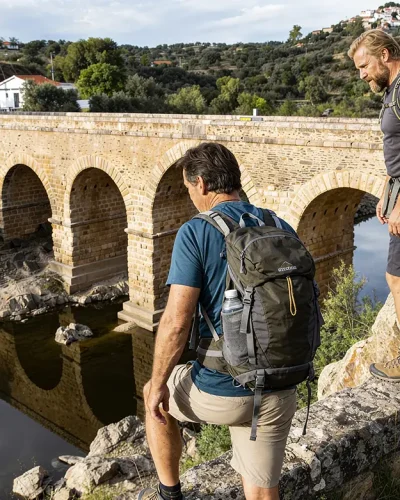
Balat, the cobbled road, as the Muslims later called it, eventually gave it its name: the Vía de la Plata.
Vía de la Estrella
The Vía de la Estrella is the trail with the greatest cultural significance amongst the routes in the UNESCO Territories.
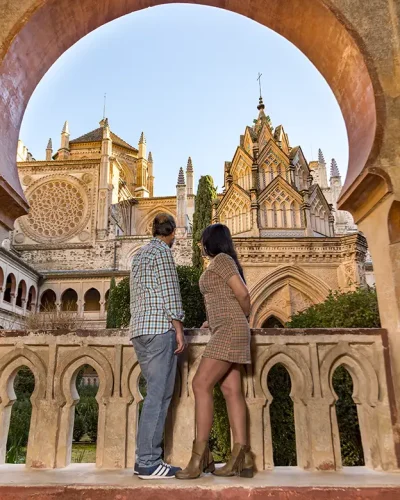
Royal Monastery of Santa María de Guadalupe
Guadalupe · A World Heritage Site, it has been a centre of spirituality and knowledge since its origins.
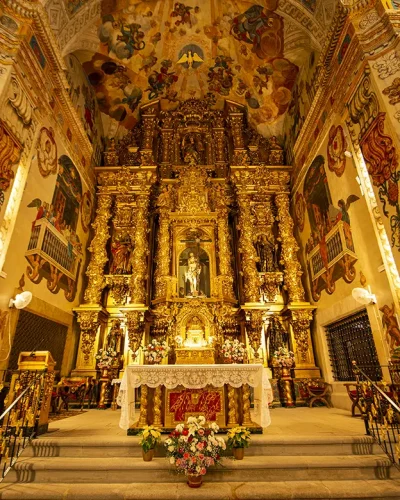
Shrine of Christ the Victor
Hacksaw · Owing to its reputation as a miracle-working image, the Christ statue is one of the most venerated images on the Grand Tour.
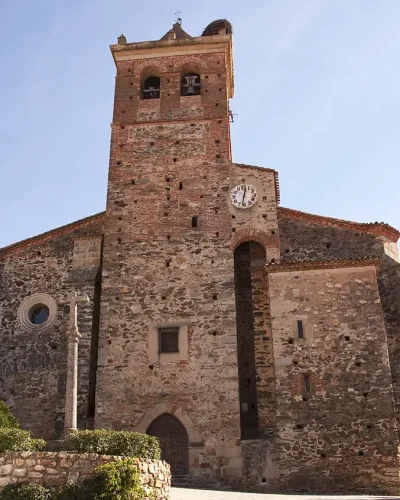
Church of St John the Baptist
Berzocana · As well as being a spiritual experience, it is a very interesting artistic attraction (Site of Cultural Interest).
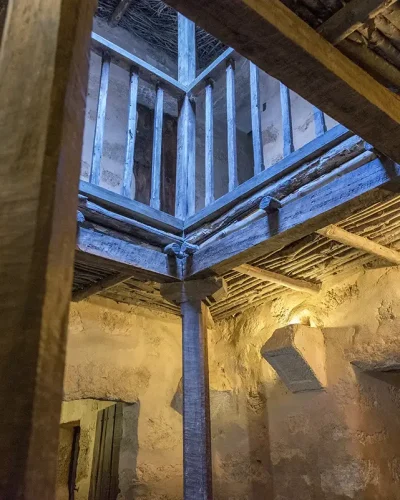
Palancar Convent
Pedroso de Acim · This tiny convent symbolises the extreme austerity and profound spirituality of Saint Peter of Alcántara.
Vía de la Estrella Visitor Centre
White Stones · All the information about this historic route.
Ruta de la Plata Visitor Centre
Cañaveral · All the information about this historic route.