- GRAND TOUR OF UNESCO SITES

Journey to the Centre of the Earth
GETTING AWAY 05 · 2 DAYS
Home > Getaway 05 · 2 days > Journey to the Centre of the Earth
- 2 days
- 42 / 112 km.
- By car / motorbike
Two days to discover how the mountains were formed, how the first settlers arrived, and why even a stone here has a story to tell. First came the earth. Then we arrived.
Having explored much of the UNESCO territories, the Grand Tour reaches its final destination. And it couldn’t end any other way: by delving deep into the Villuercas-Ibores-Jara UNESCO Global Geopark.
This is where the journey takes on a whole new dimension. It’s no longer just about discovering villages, landscapes or monuments, but about looking a little further back. Much further back.
Because these mountains began to form hundreds of millions of years ago and still bear the traces of that time in their rocks, fossils, caves and landforms. Then came the first settlers, the Vetones, followed by the paths, the villages and, finally, Guadalupe.
__
➸ DAY 01 (42 km) · See map
Guadalupe → Navalvillar de Ibor → Castañar de Ibor
➸ DAY 02 (112 km) · See map
Castañar de Ibor → Villar del Pedroso → Carrascalejo → Navatrasierra → Guadalupe

🚩 Km 0 · The journey begins here
That’s all, Guadalupe
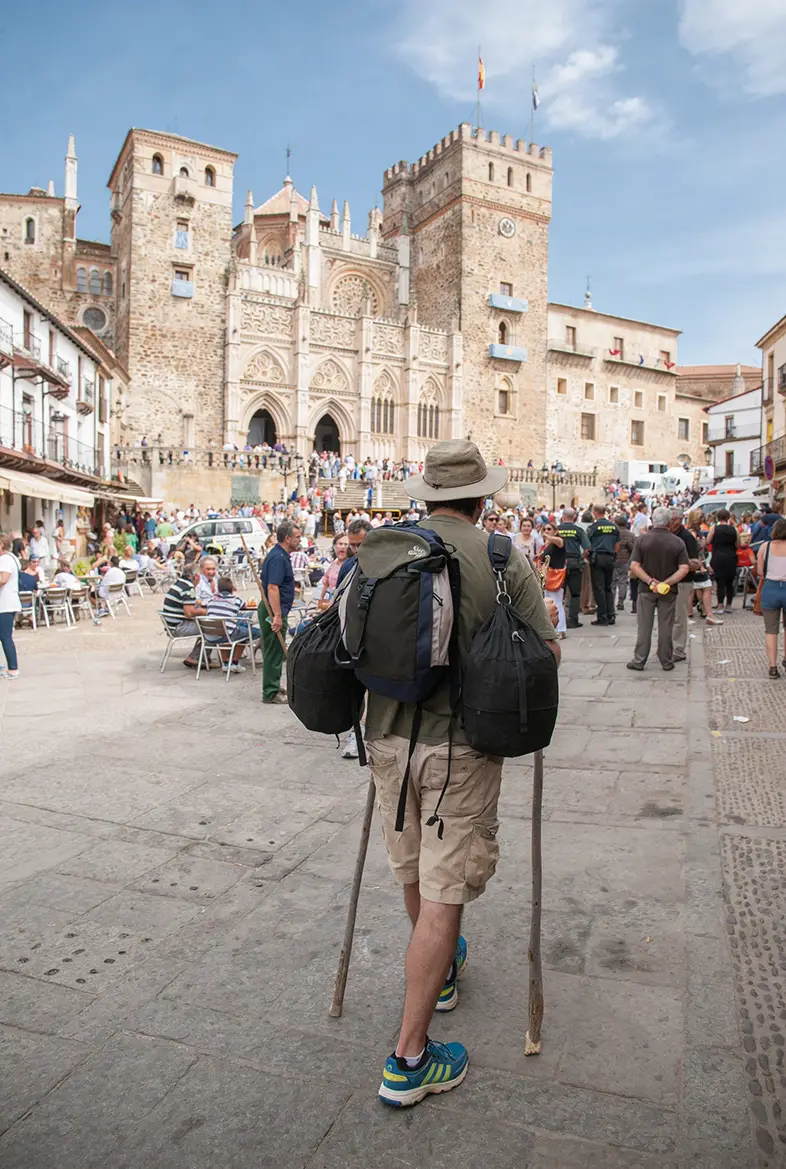
Guadalupe is one of those places that has a nasty habit of setting the bar too high right from the start. The monastery, the town of Guadalupe and everything that has sprung up around them form one of Extremadura’s great heritage sites. But on this getaway, Guadalupe isn’t the end of the line. It is the gateway to the geopark. So, before hitting the road, it’s worth taking a leisurely stroll. Take in the streets, visit the monastery and, above all, realise that we are about to shift our perspective: from the history of humankind to the history of the Earth.
🏔️ Km 3 · The treasures of the geopark
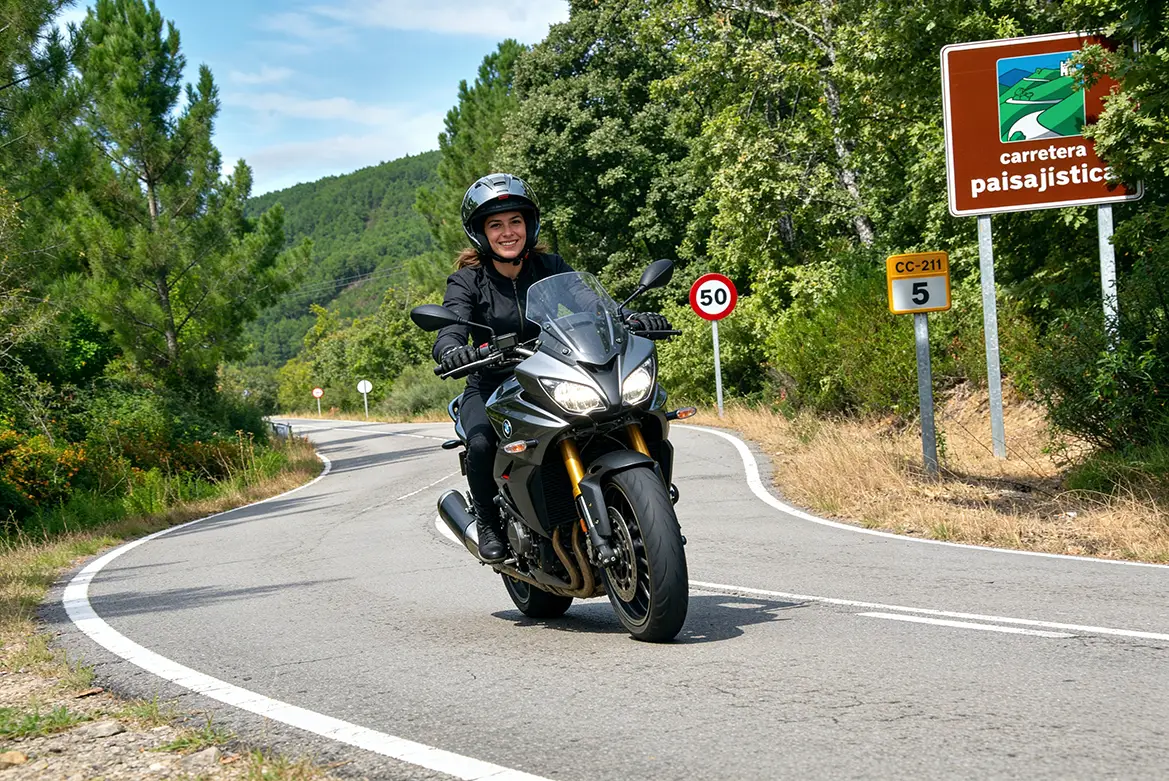
It’s time for a scenic drive
There are roads that are simply a means of getting there. And then there are those that make you feel a bit annoyed at arriving too soon. The road between Guadalupe and Castañar de Ibor is one of the latter. The landscape changes gradually and the mountains of the geopark begin to take centre stage. It’s a road to drive along with the window down, stopping whenever you feel like it to take in the smells and the views. → TOP: The route itself is considered a scenic road within the geopark and allows you to discover, amongst other attractions, the Castañar Cave and the Castaños de Calabazas.
🪨 Km 31 · Castañar de Ibor
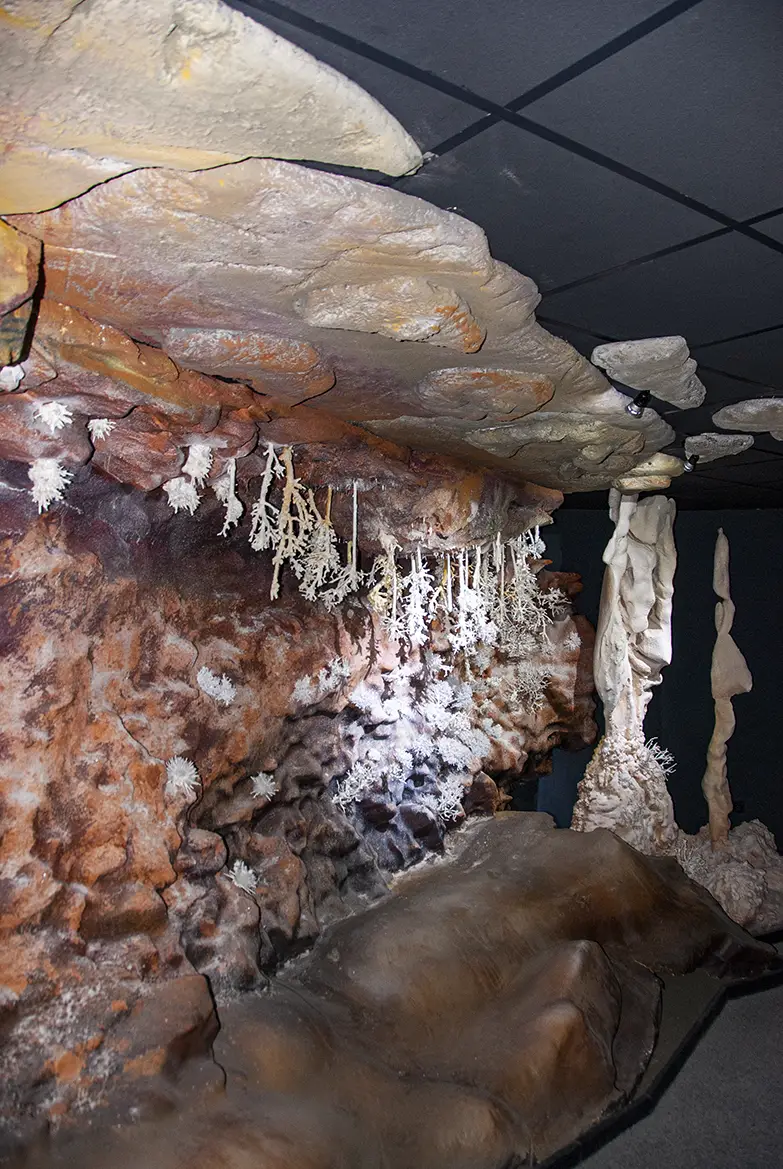
Inside the Earth
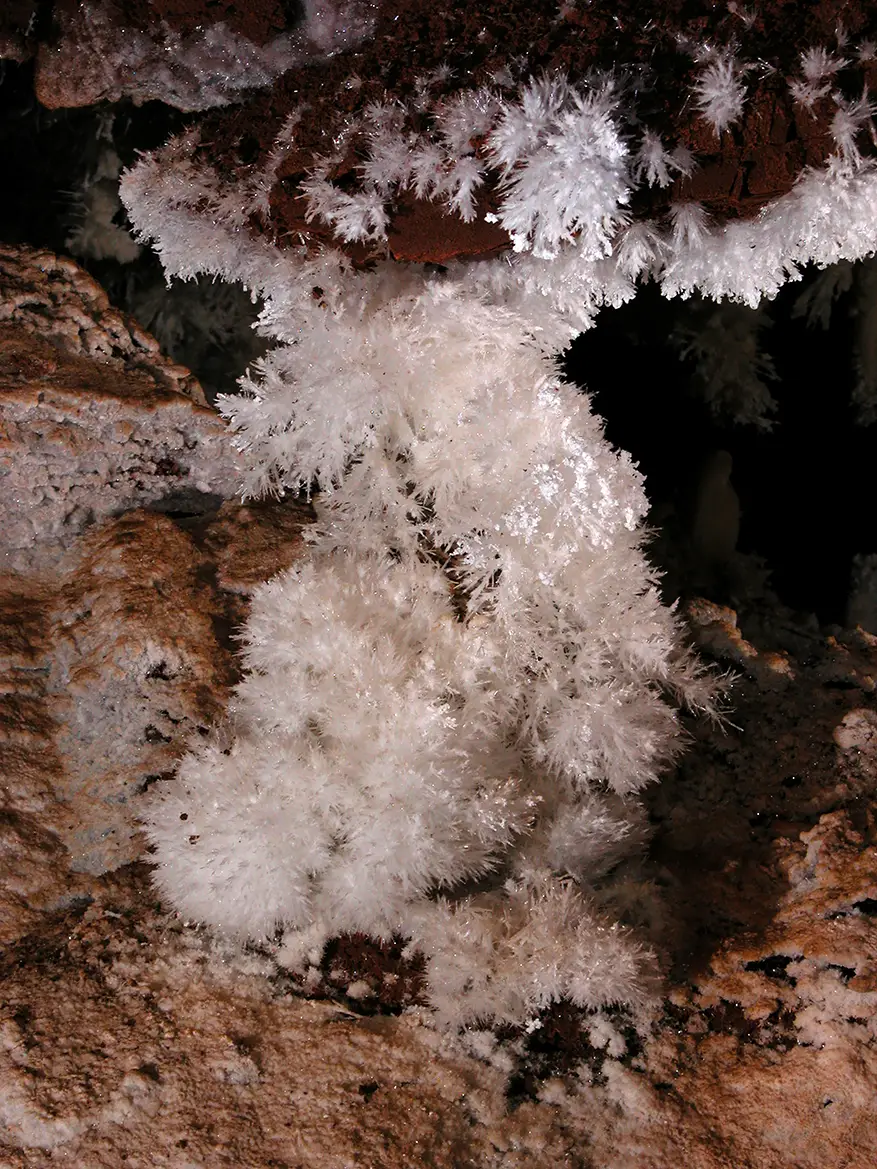
Up until now, we’ve been looking at the site from the outside. Now it’s time to discover what lies within. The Castañar Cave is one of the geopark’s great geological treasures. It is a particularly fragile environment where the action of water and the passage of time have created a veritable mineral forest of speleothems and aragonite crystals. Visits to the interior are strictly controlled, precisely to protect this heritage. If you don’t have a booking, don’t worry: the Interpretation Centre offers a 3D recreation of the cave.
🌿 Km 37 · Centenary trees
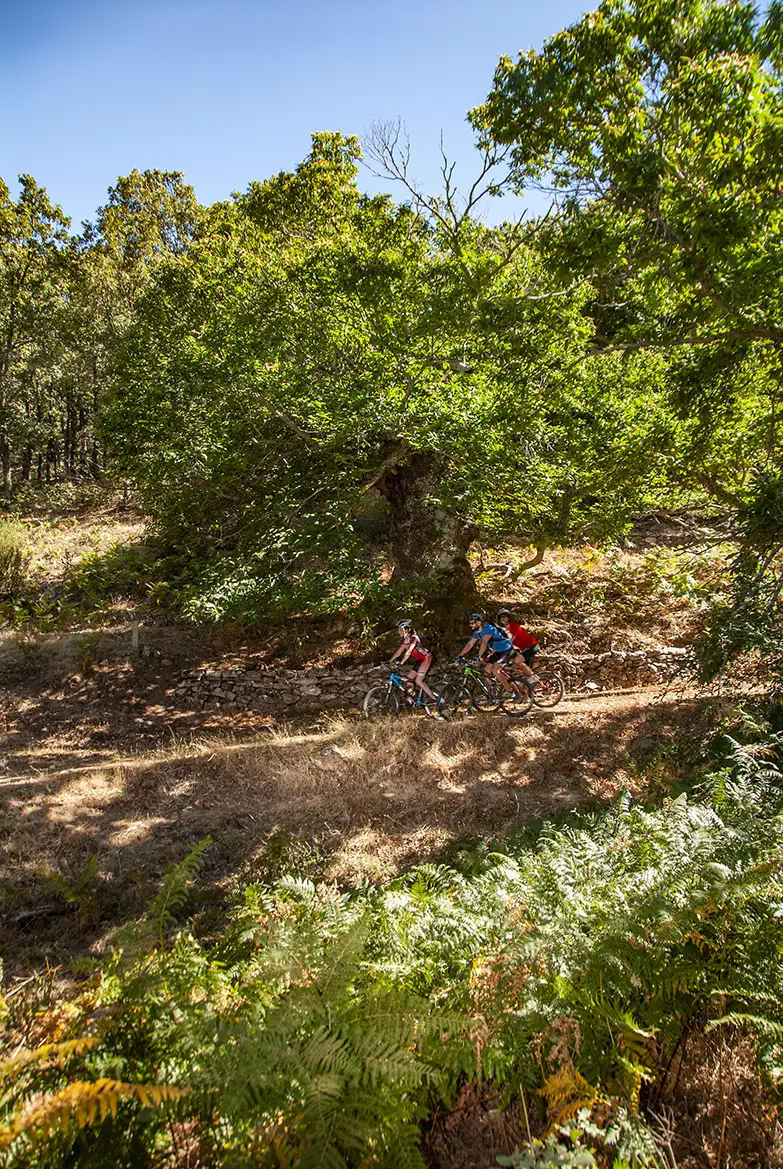
Chestnut Trees
The chestnut trees of Calabazas comprise a group of seventeen specimens, some of which are over seven hundred years old. Their twisted, hollow trunks are the result of centuries of growth and use by local communities. They are trees, yes. But they are also a record of the past.
💦 Km 42 · Time to cool off!
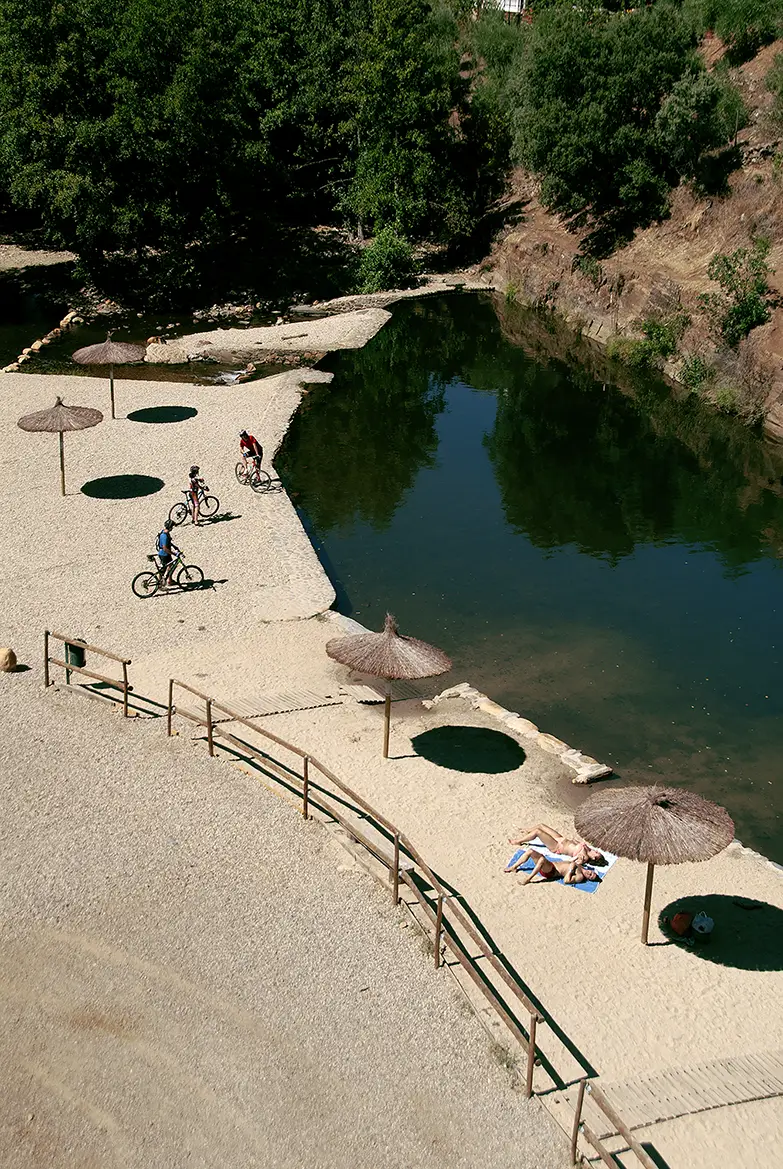
The natural swimming pool at Castañar de Ibor
After all that talk of geology, it’s worth remembering that mountains also have water. The natural pool at Castañar de Ibor is the perfect place to take a break, especially during the hot summer months. A quick dip, a spot of shade, and then we’re off again.
CUISINE · THE LANDSCAPE ON YOUR PLATE
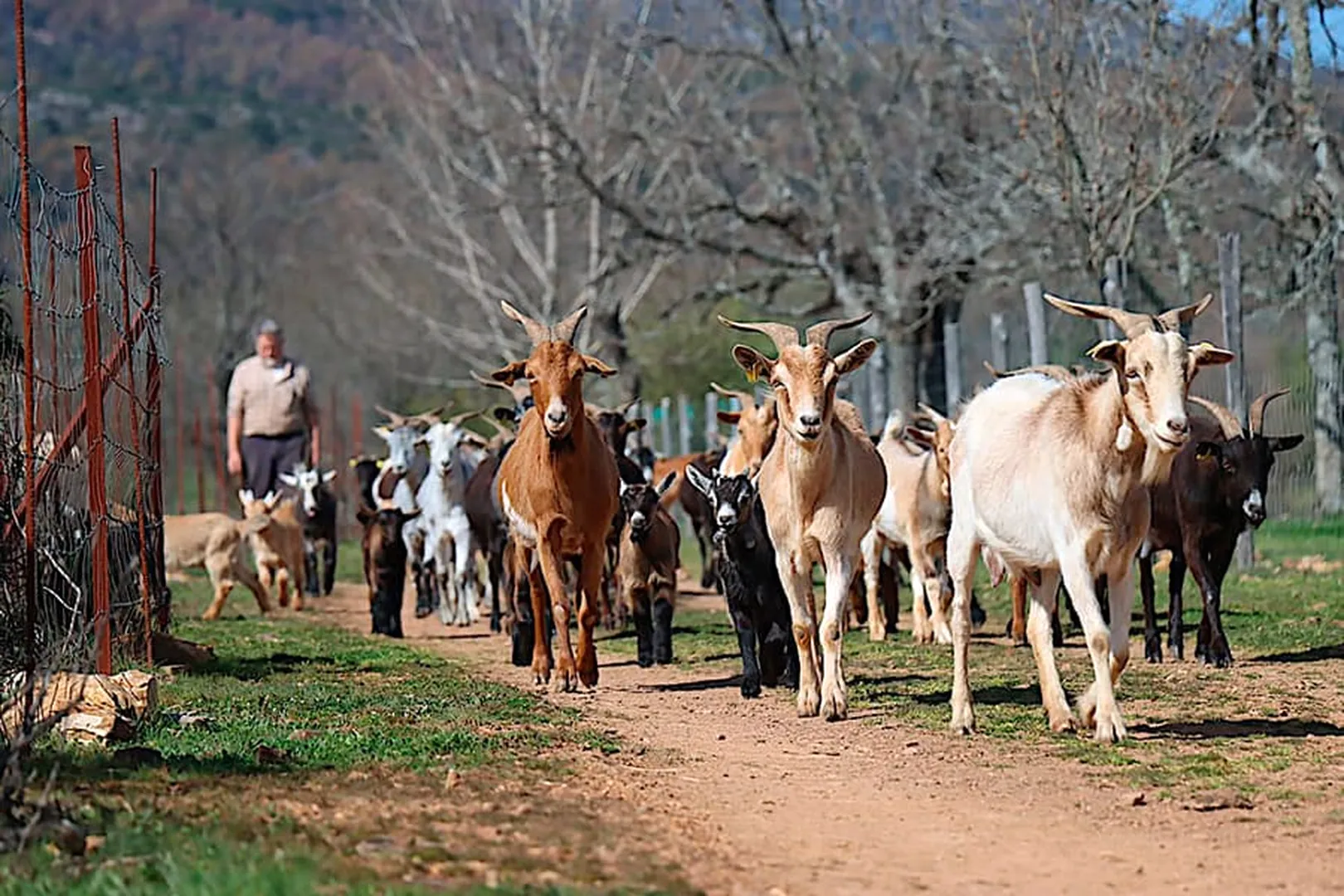
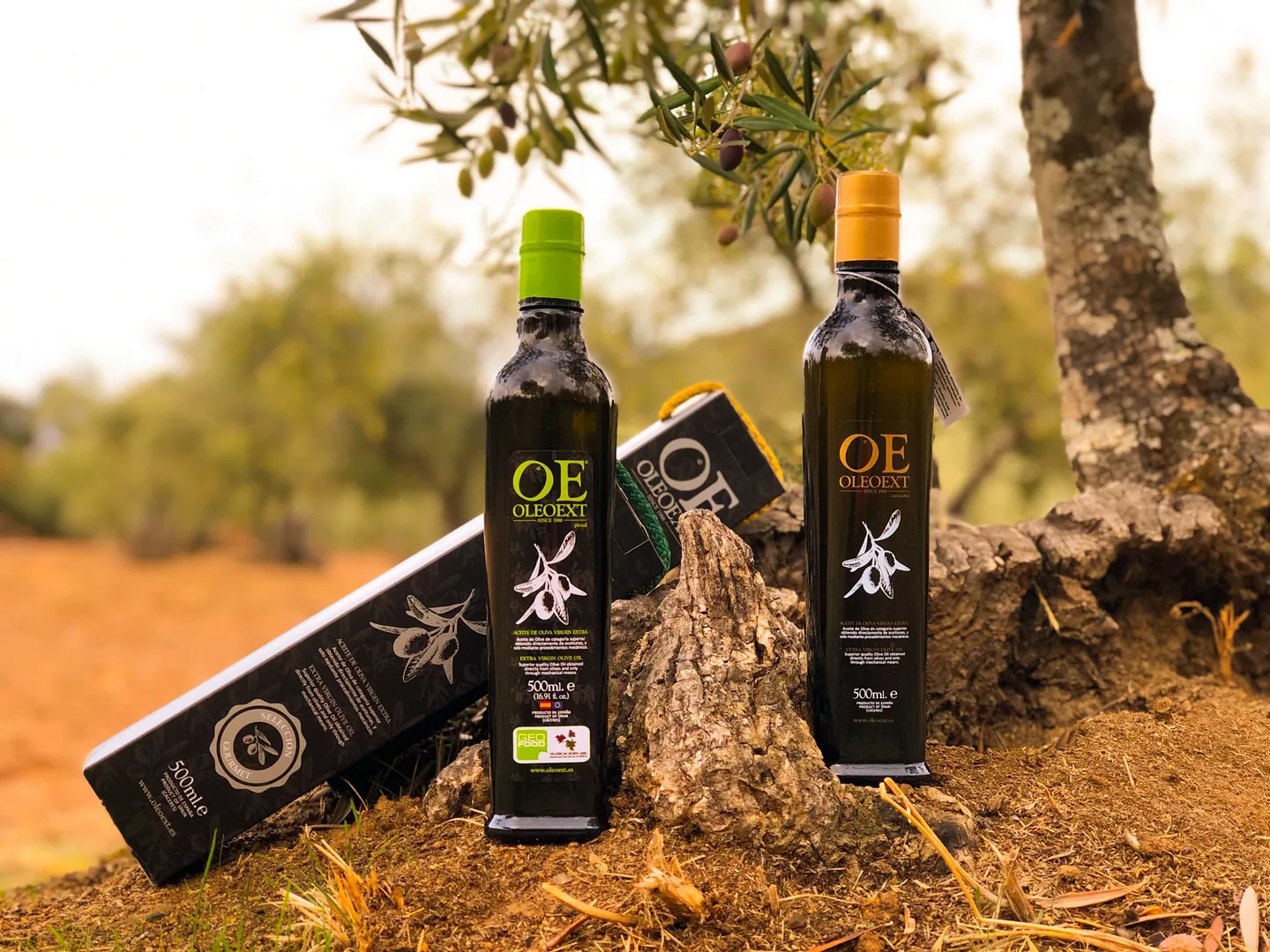
We continue on to Navalvillar de Ibor, where the journey takes on a whole new dimension. Here, the geopark ceases to be merely a succession of mountains, caves and unusual trees, and becomes a living landscape: villages, crops, livestock, local produce and a way of understanding the landscape that has been shaped over generations. → TOP: look out for PDO products such as Ibores cheese, Villuercas Ibores Jara extra virgin olive oil or Villuercas-Ibores honey. The geopark can also be explored with a knife and fork.
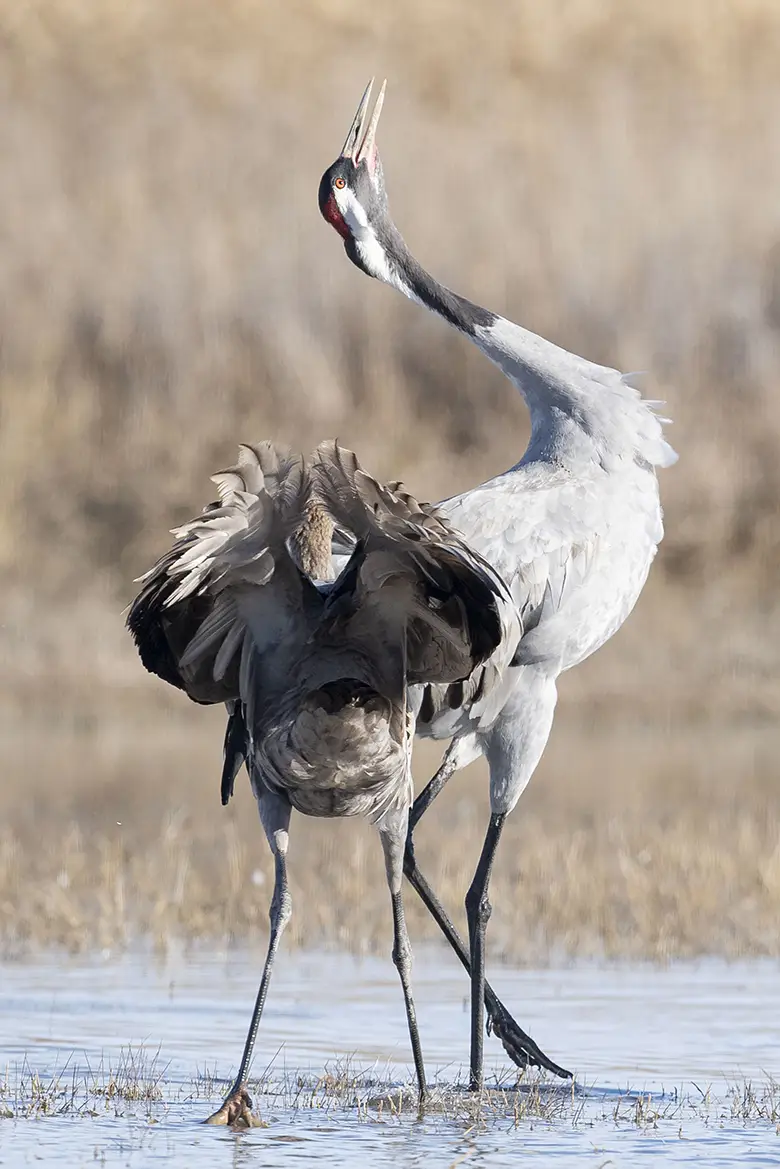
BIRDING · LOOK UP
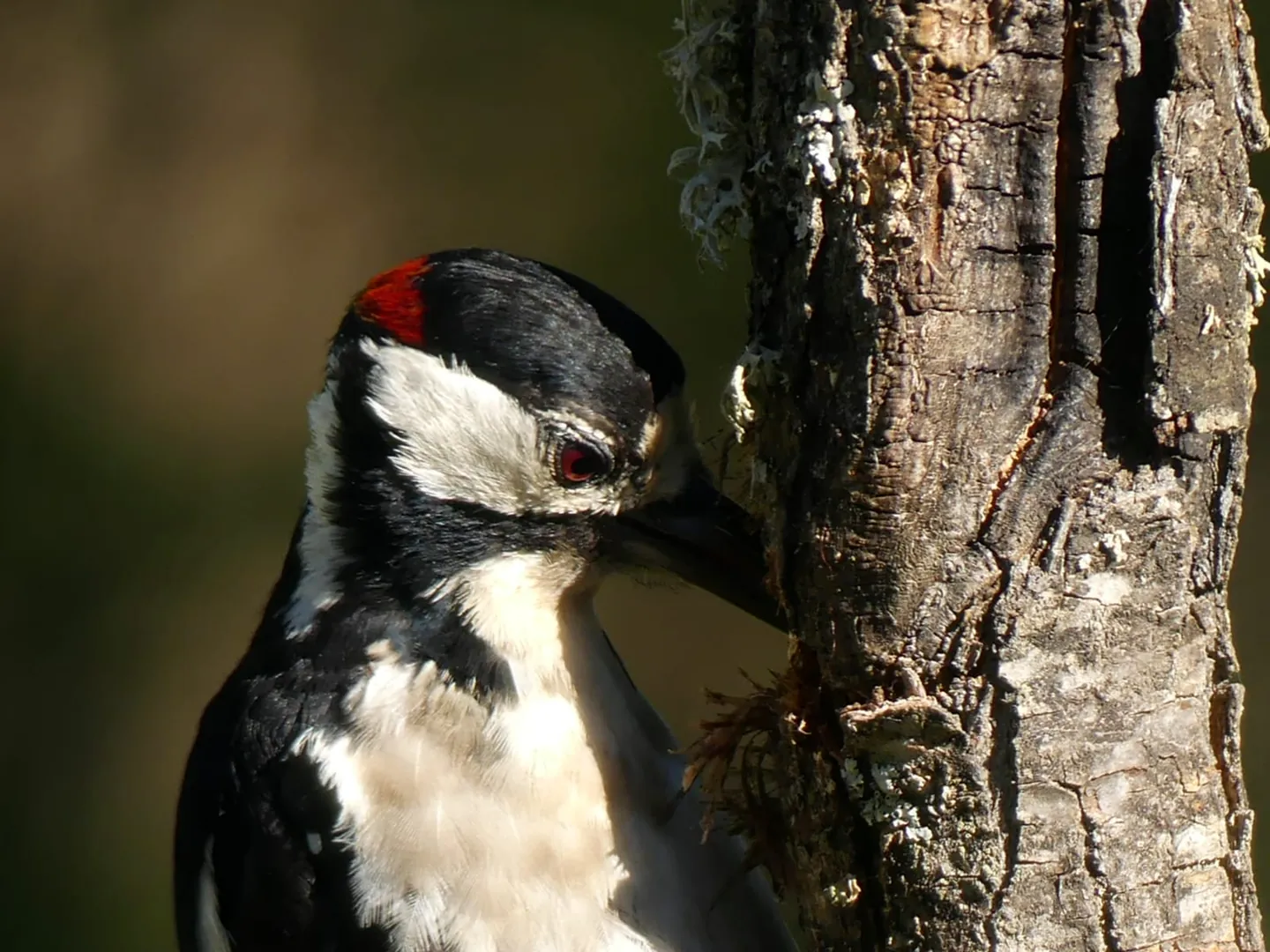
The mountains aren’t just there to look at. The terrain, forests and open spaces of the geopark also offer opportunities for birdwatching. The ‘Birding in Extremadura’ route through the geopark combines travel by car with walking tours, featuring observation points from Guadalupe to Castañar de Ibor, Navatrasierra and other locations in the area. → TOP: bring your binoculars. They might prove just as useful here as your walking boots.
END
That brings the first day to a close. Today we started in Guadalupe and ended up travelling much further back in time: deep into the heart of a mountain, amongst minerals, centuries-old trees and landscapes that began to take shape millions of years before anyone even thought of building a road. But there’s still one piece missing. Us. Tomorrow we’ll follow in the footsteps of those who came later: the first settlers, the Vettones, their stone animals, their traditions and the villages that still preserve part of that memory. Because after discovering how the earth was formed, it’s time to discover what we did with it.
🚩 Km 0 · Good morning, millions of years
Castañar de Ibor
The second day begins where the first ended: in the heart of the geopark. By now we know that the mountains here have a history. It’s now time to continue exploring the area to discover that its inhabitants do too. The road takes us towards Villar del Pedroso and the story gradually changes. From the rocks, we move on to the footprints. → TOP: if you weren’t able to visit the cave or the interpretation centre yesterday, now is a good time to do so before carrying on.

🐗 Km 52 · Before the villages
Villar del Pedroso and the Vettones’ boars
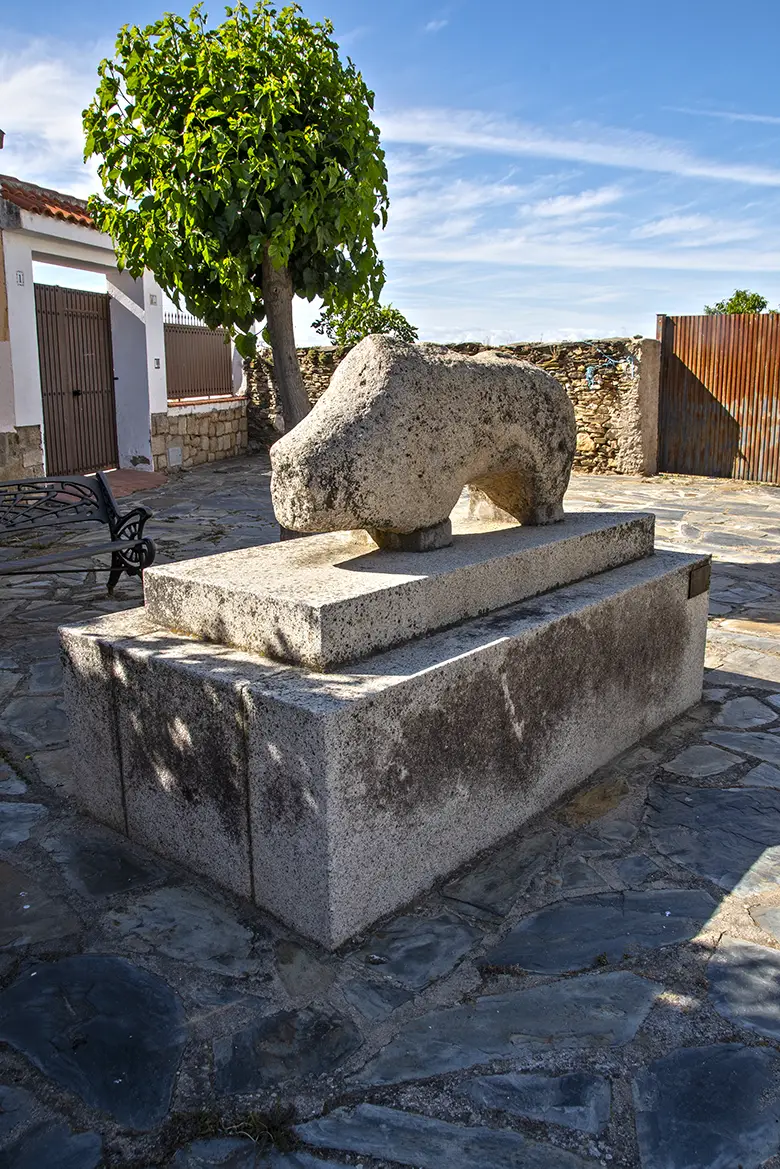
We arrived in Villar del Pedroso and came across one of the oldest stories of the trip. The Vettones left their famous stone boars here – sculptures linked to animals and the beliefs of those who inhabited this area centuries ago. Having spent the previous day searching for fossils and geological formations, it’s curious to now come across a different kind of trace: one left by human beings. → TOP: look out for the verracos in Valdelacasa del Tajo or Villar del Pedroso. They are proof that, long before us, there were already people trying to leave something behind for posterity.

🎭 Km 52 · A seven-day carnival
Villar del Pedroso and Las Ánimas
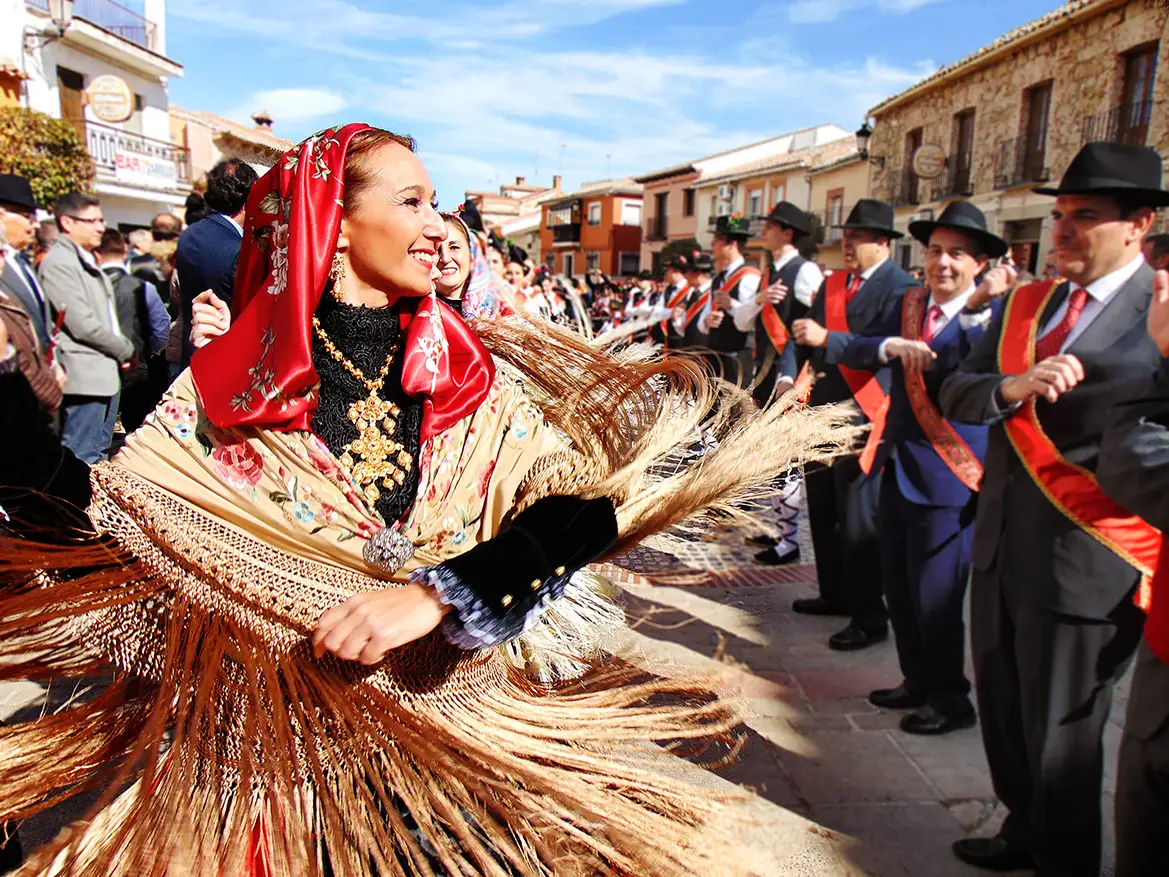
If you visit Villar del Pedroso during carnival season, make sure you set aside some time to experience one of the Geopark’s most unique celebrations. The Ánimas Carnival has been held since the 17th century and still features traditional rituals, parades, costumes and a strong presence of military and religious elements. → TOP TIP: if your visit doesn’t coincide with the festival dates, pop into the interpretation centre and find out all about the festival without having to wait for the next carnival.

🌲 Km 72 · The Tree of Life
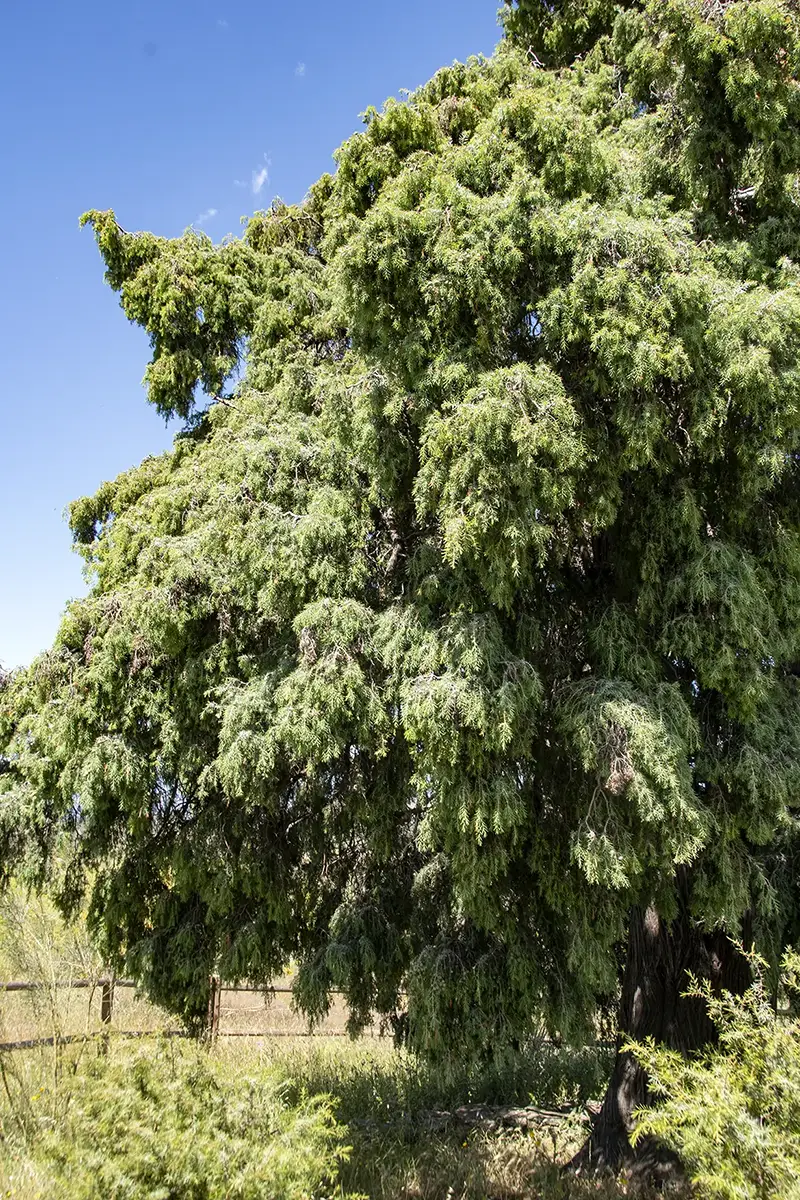
The juniper tree in Carrascalejo
Carrascalejo offers yet another of those sights that force us to put time into perspective. The unique juniper tree in Carrascalejo forms part of the natural heritage highlighted by the geopark. And once again, the same idea that has been with us since yesterday comes to mind: there are living beings that have been here for far longer than we have. We take photos. They carry on growing. → TOP: if you’re going to photograph it, try to include a human scale in the picture. It helps to understand its size and, incidentally, our own smallness.

🏔️ Km 75 · One last look
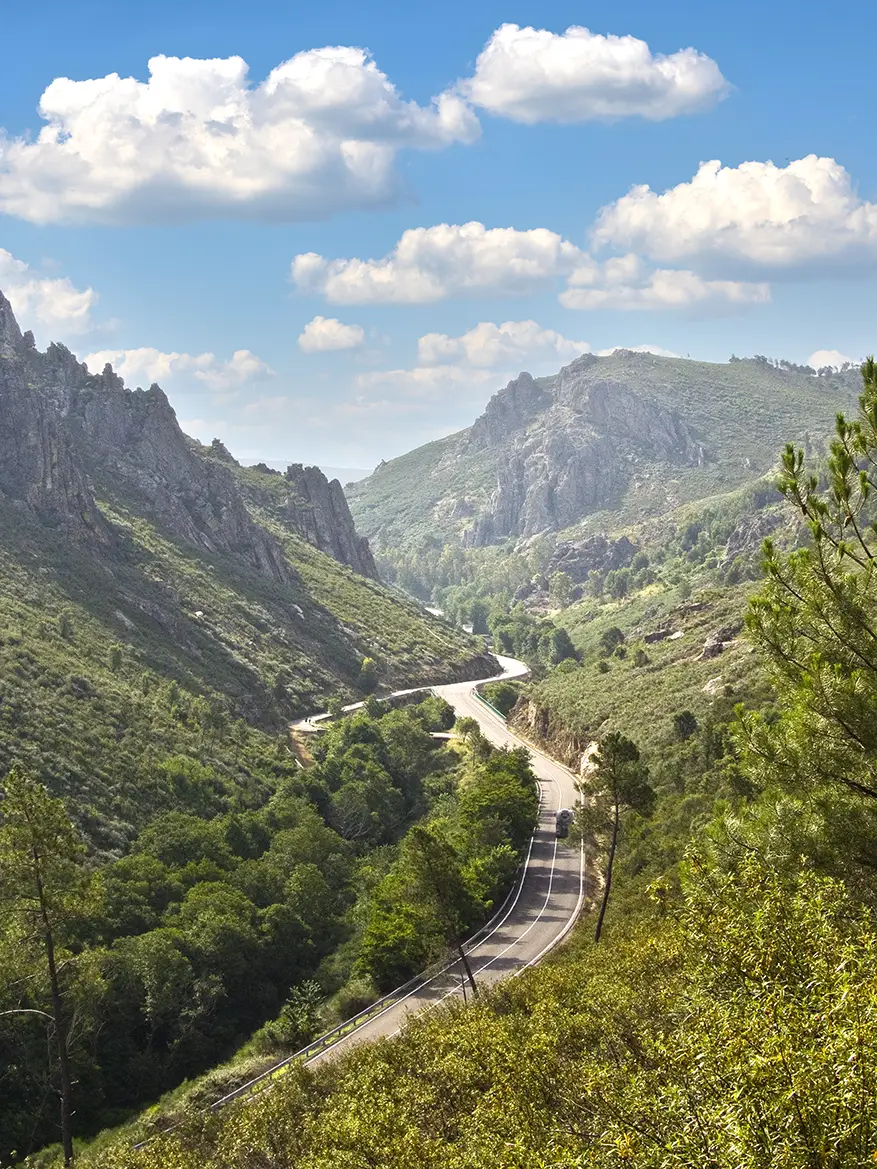
The Appalachian landscape
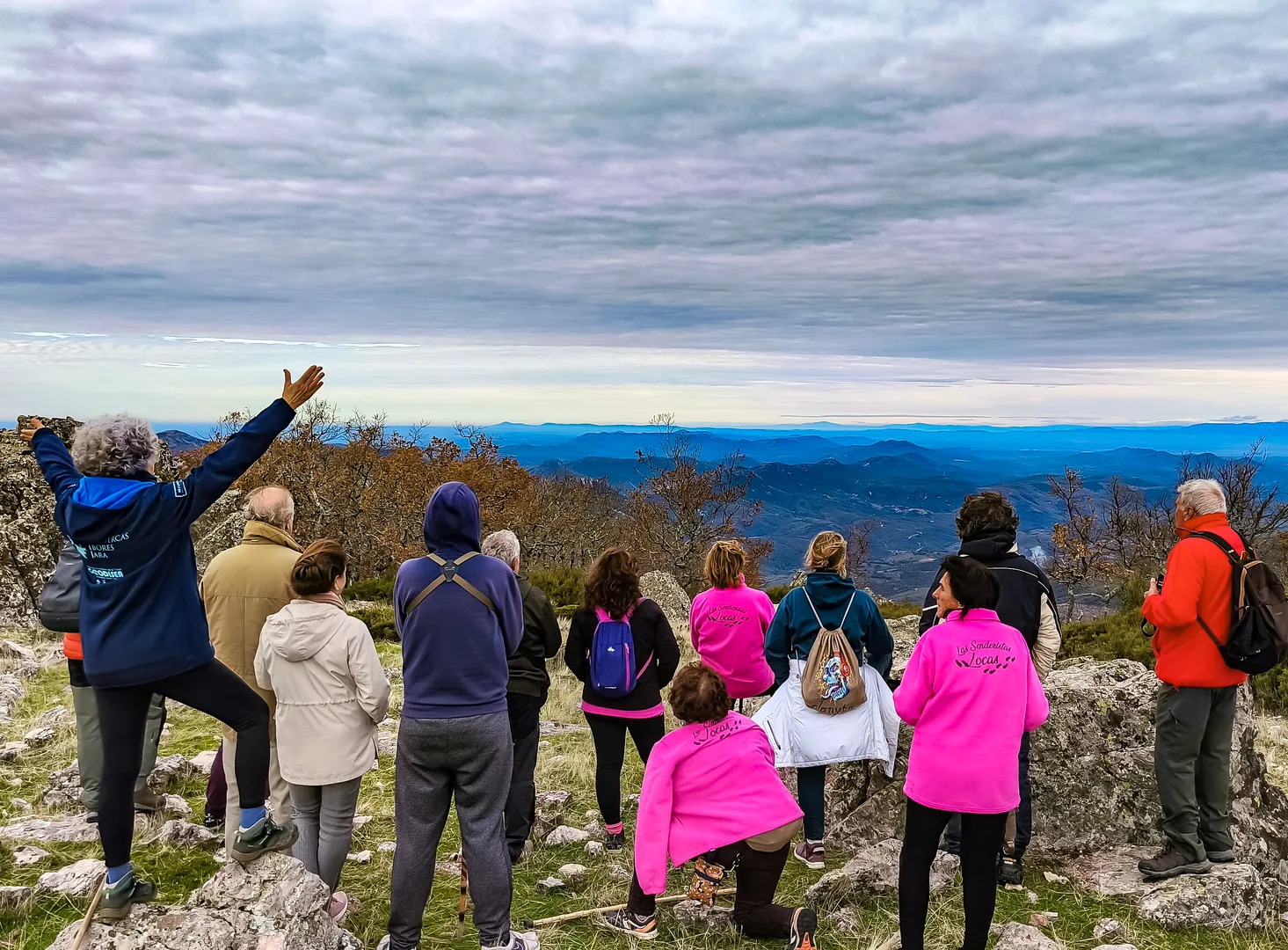
Before returning to Guadalupe, it’s worth making one last stop to take in the landscape, bearing in mind everything we’ve learnt over the past two days. Now we no longer simply see mountains. We see quartzite, valleys, forests, ancient geological structures, paths, villages and people. It’s the same landscape. But we now know how to interpret it a little better. → TOP: look out for the picnic spots at Arrebatacapas and Los Horcones. After two days, these are likely to be the most interesting stops of all.

🏛️ Km 112 · Coming back doesn’t mean it’s over
The Return to Guadalupe
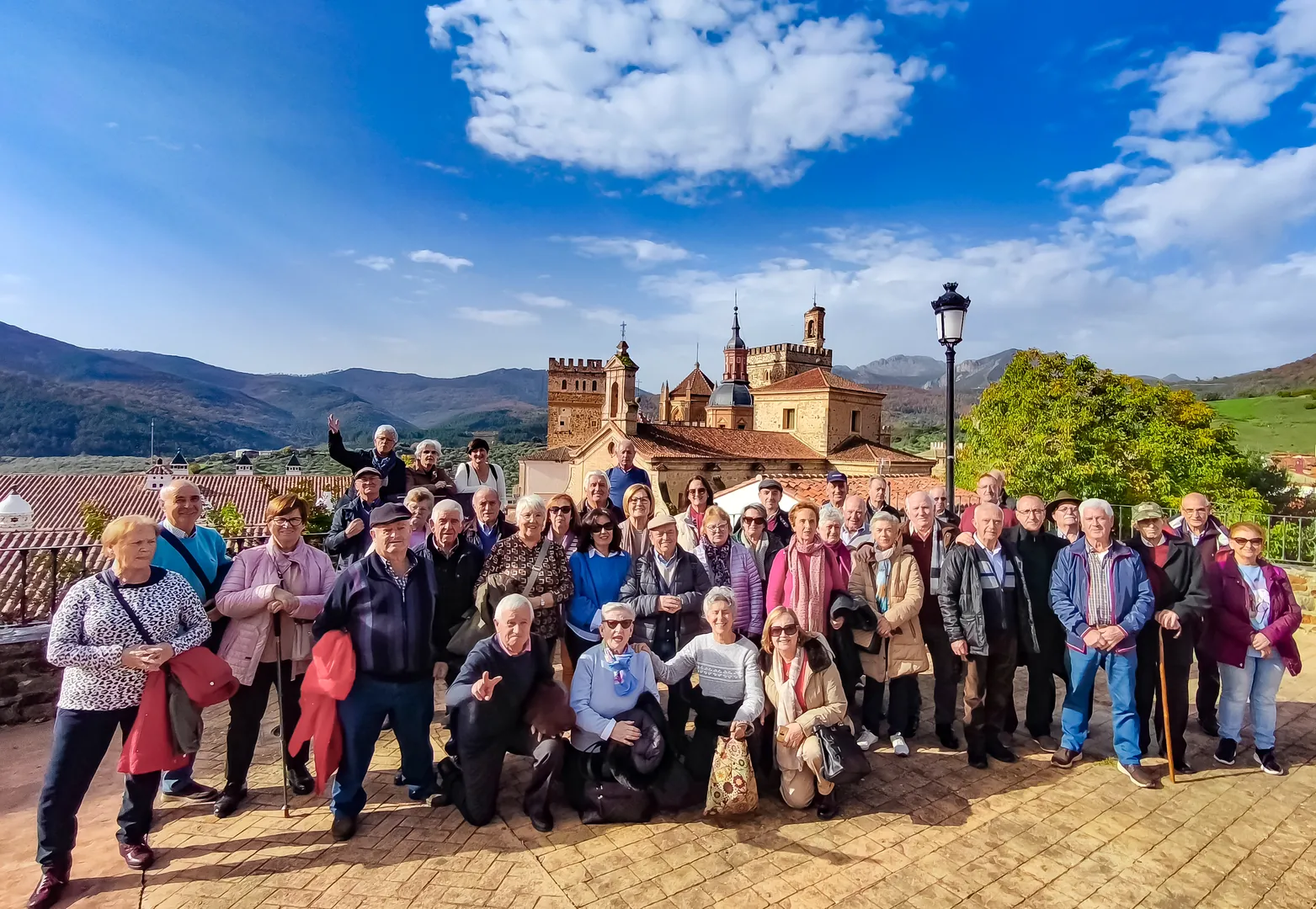
And here we are at the place where it all began. After caves, minerals, centuries-old trees, wild boars, traditions and mountains, the Royal Monastery of Santa María de Guadalupe comes into view once more. Now’s the time. Now is the time to go inside. The monastery, a UNESCO World Heritage Site, houses cloisters, works of art, books, embroidery… but it also represents the enormous mark that humankind has left on this landscape. It took nature hundreds of millions of years to create it. It took us far less time to build a monastery on top of it.
A FINAL
This is where Getaway 05 comes to an end. We set off from Guadalupe hoping for a trip through the geopark, but ended up doing something far more ambitious: travelling back to the beginning. First came the mountains. Then the caves, the fossils and the trees. Next came the first settlers, the Vettones, their wild boars, the villages and the traditions. And finally, Guadalupe. Two days are nothing compared to the millions of years this landscape has existed. And now that you know how to interpret its terrain, its geosites and its villages, you can start all over again. Because this journey ends here. The Geopark, however, does not.
TOP experiences
Round off your visit with some activities in the geopark
Suggestions for making the Grand Tour even more rewarding.
Find out more
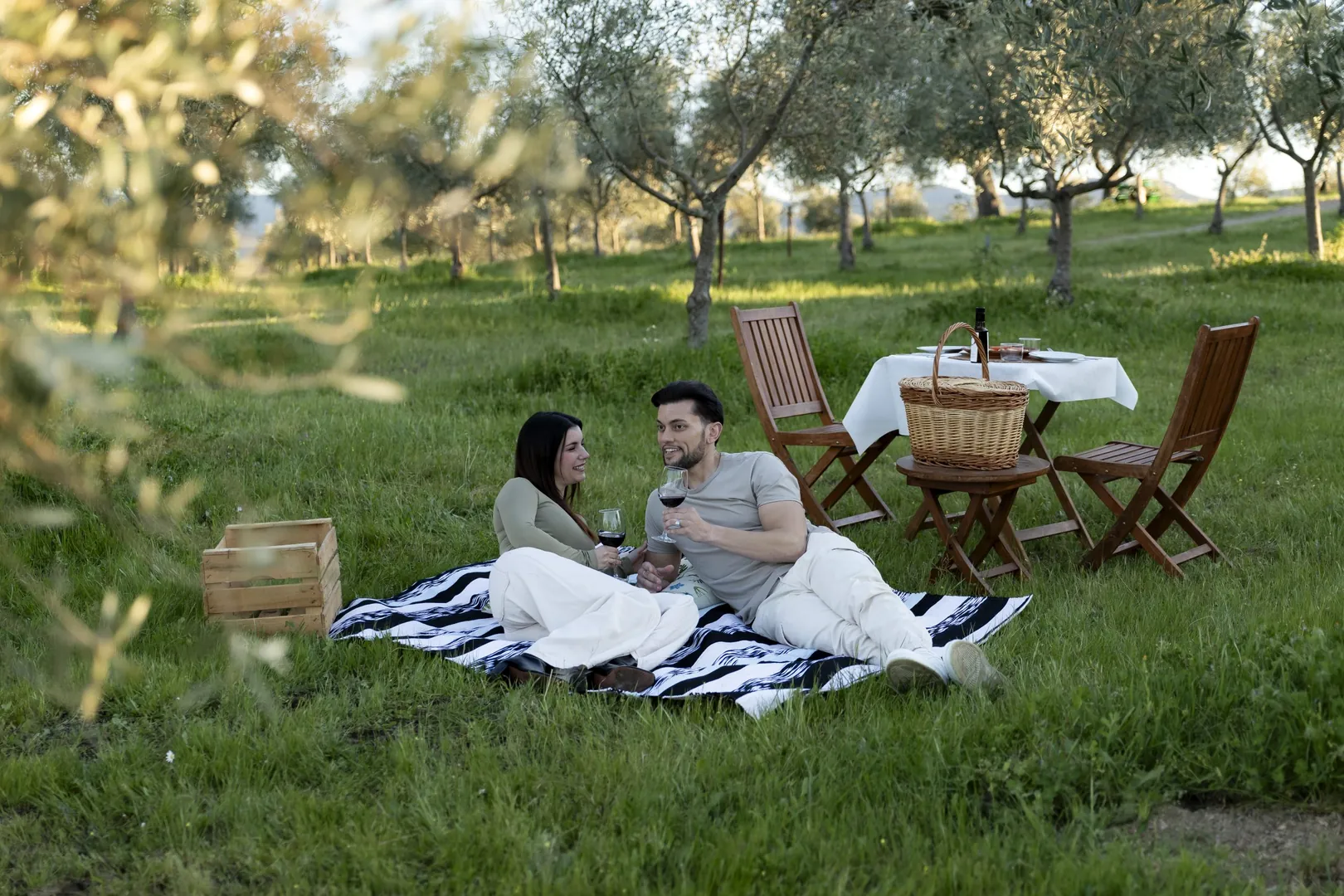
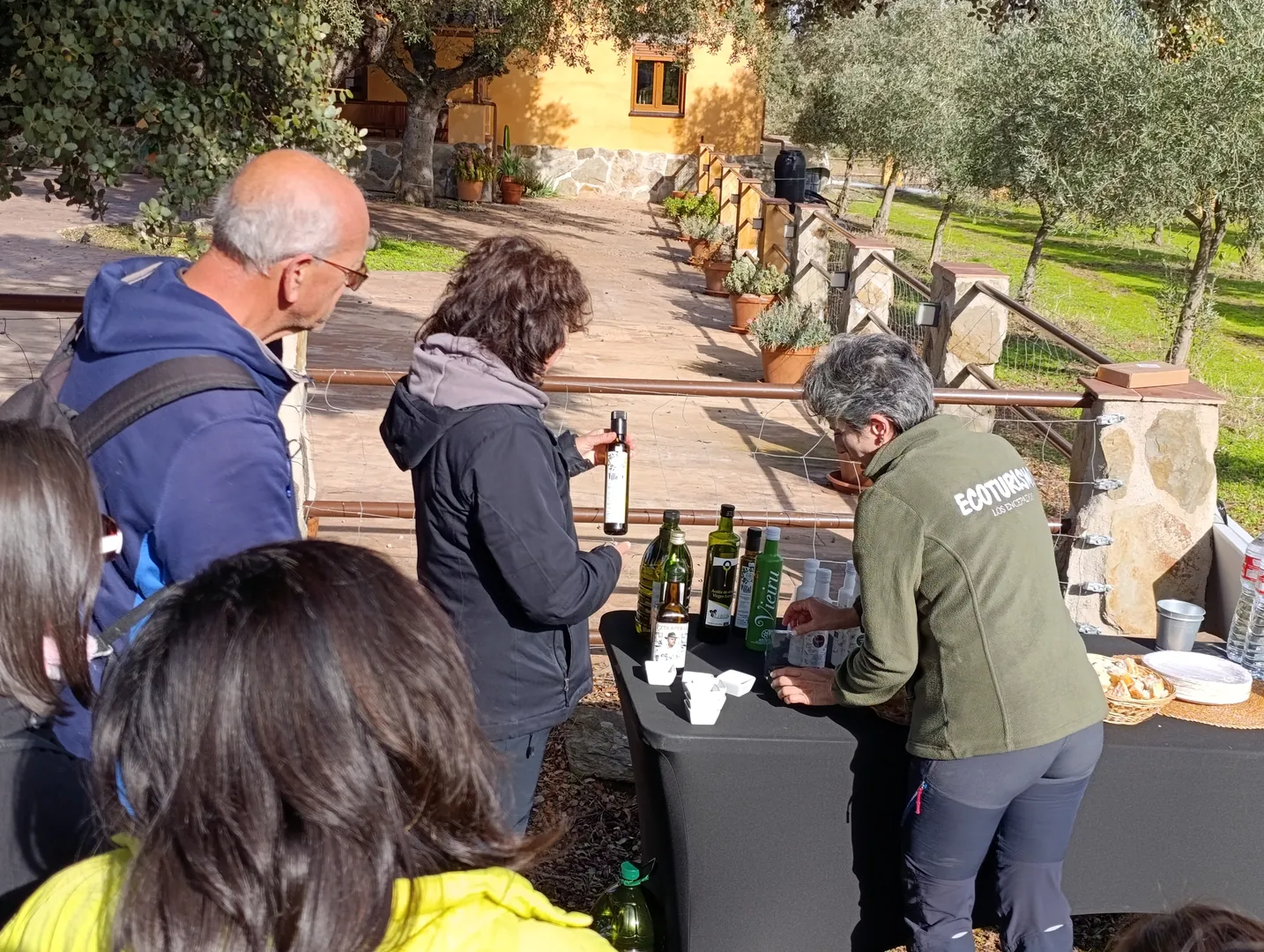
Love and Extra Virgin Olive Oil
- Los Encepados
Find out more
From the press to the larder
- Los Encepados
Find out more
Olive Harvesters’ Day
- Los Encepados
Find out more
Revel in it!
- Las Lucías
Find out more
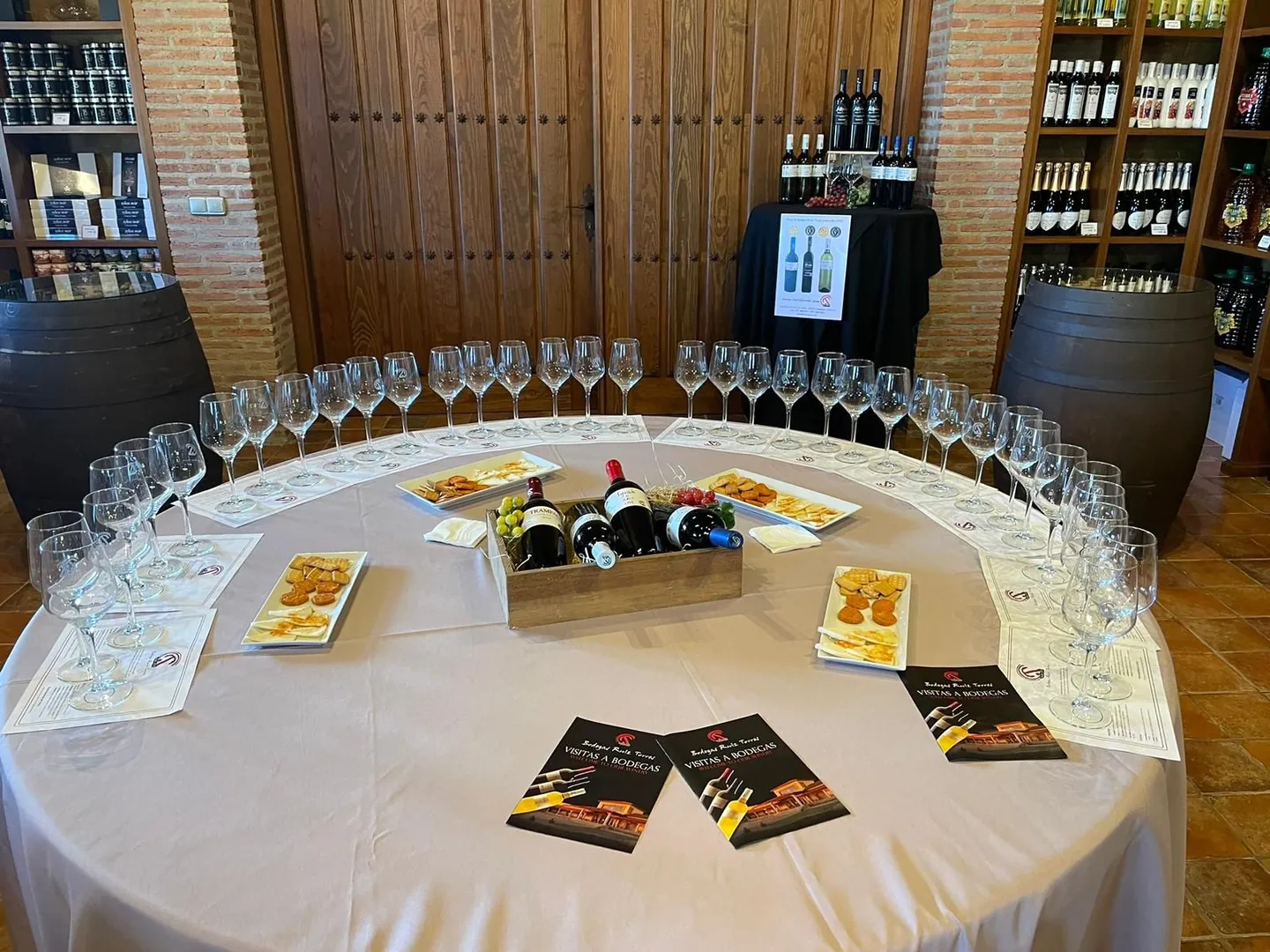
Geopark wine tasting experience
- Bodegas Ruiz Torres
Find out more
Hide de la Huerta
- Las Lucías
Find out more
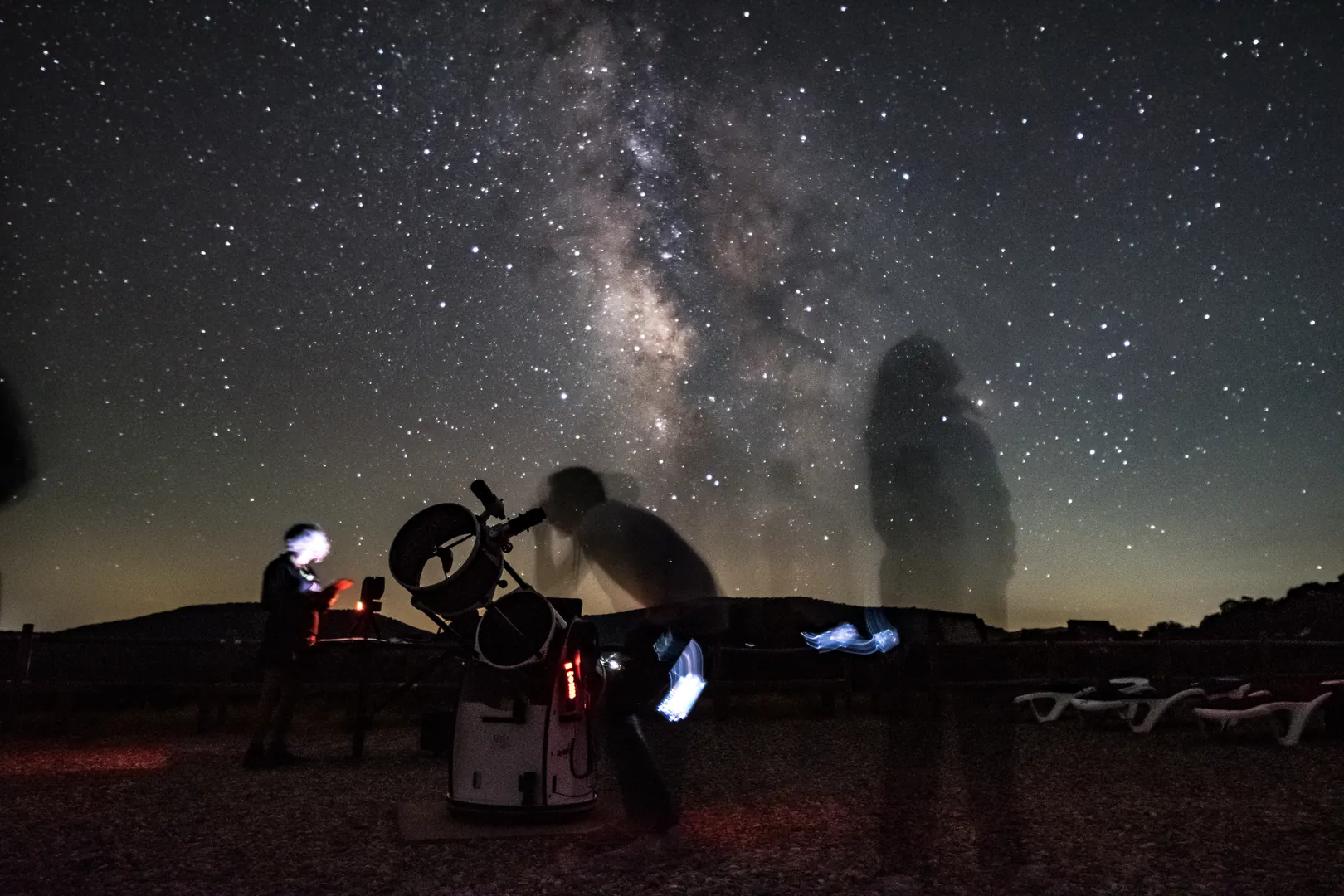
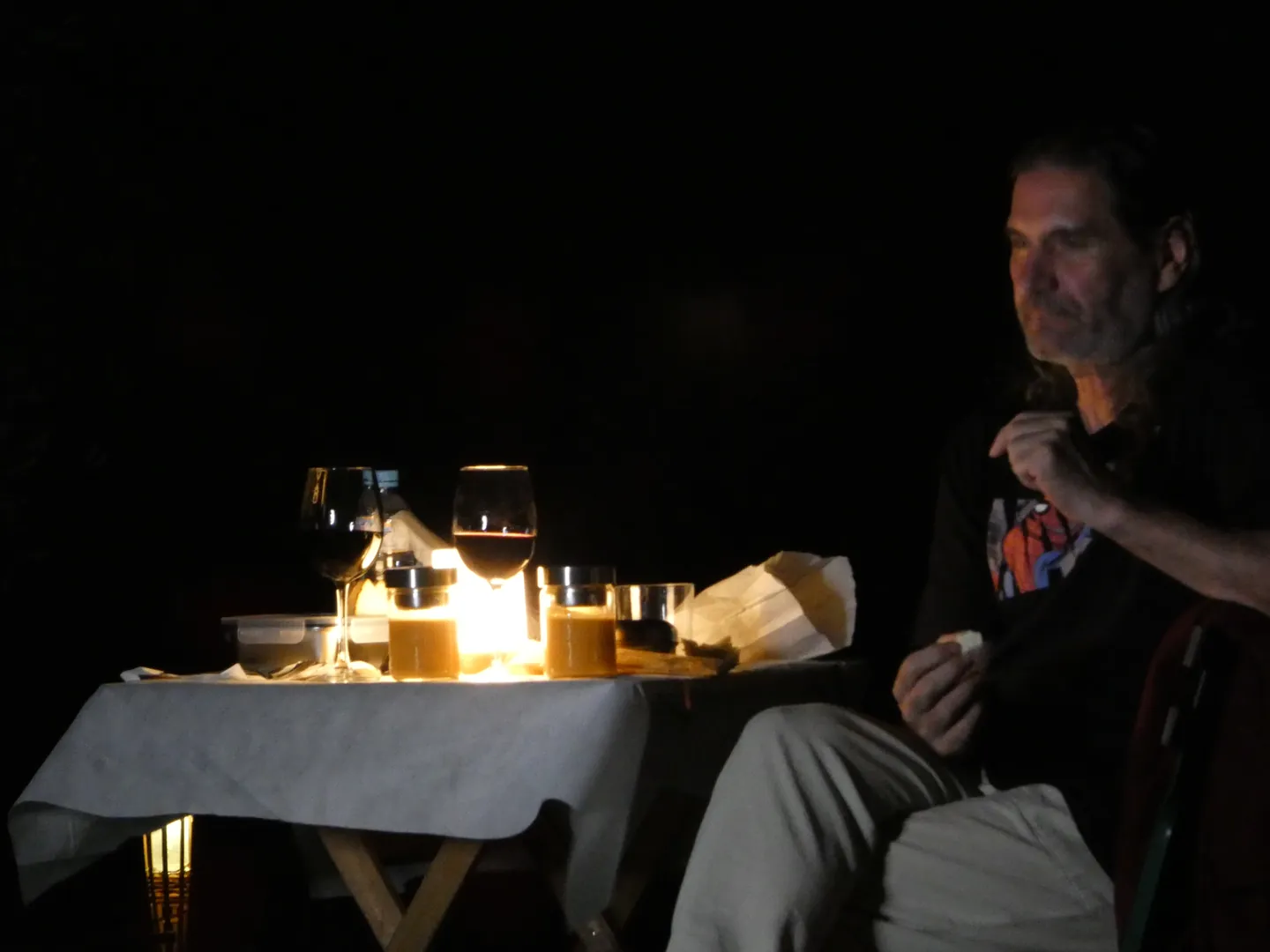
Oleonoche: EVOO under the stars
- Los Encepados
Find out more
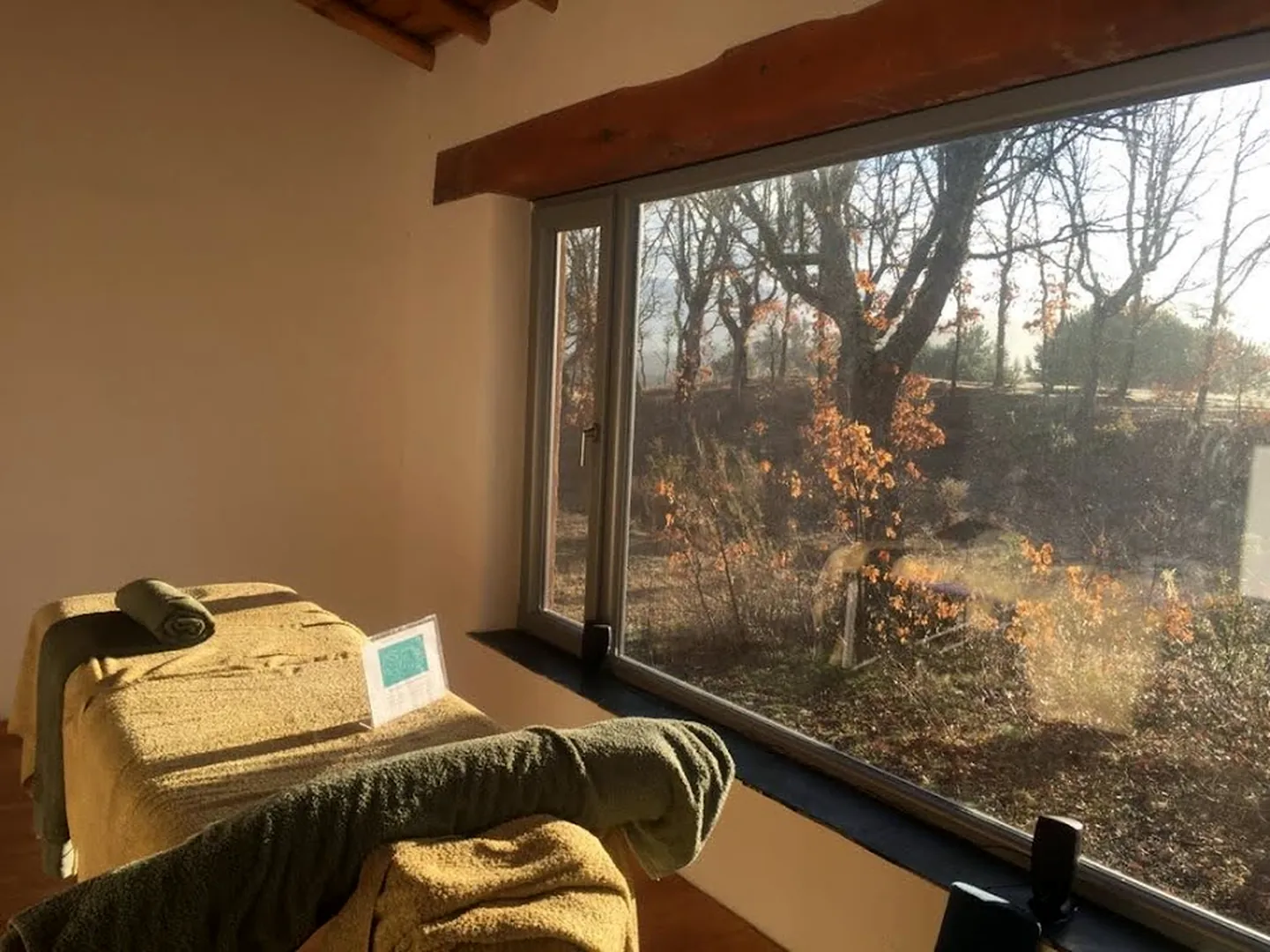
Therapeutic massages
- Las Lucías
Find out more
Trails of the Olive Tree and Liquid Gold
- Los Encepados
Find out more
A day on the farm
- Los Encepados
Find out more
Binoculars
- Las Lucías