

Salorino, a village steeped in art
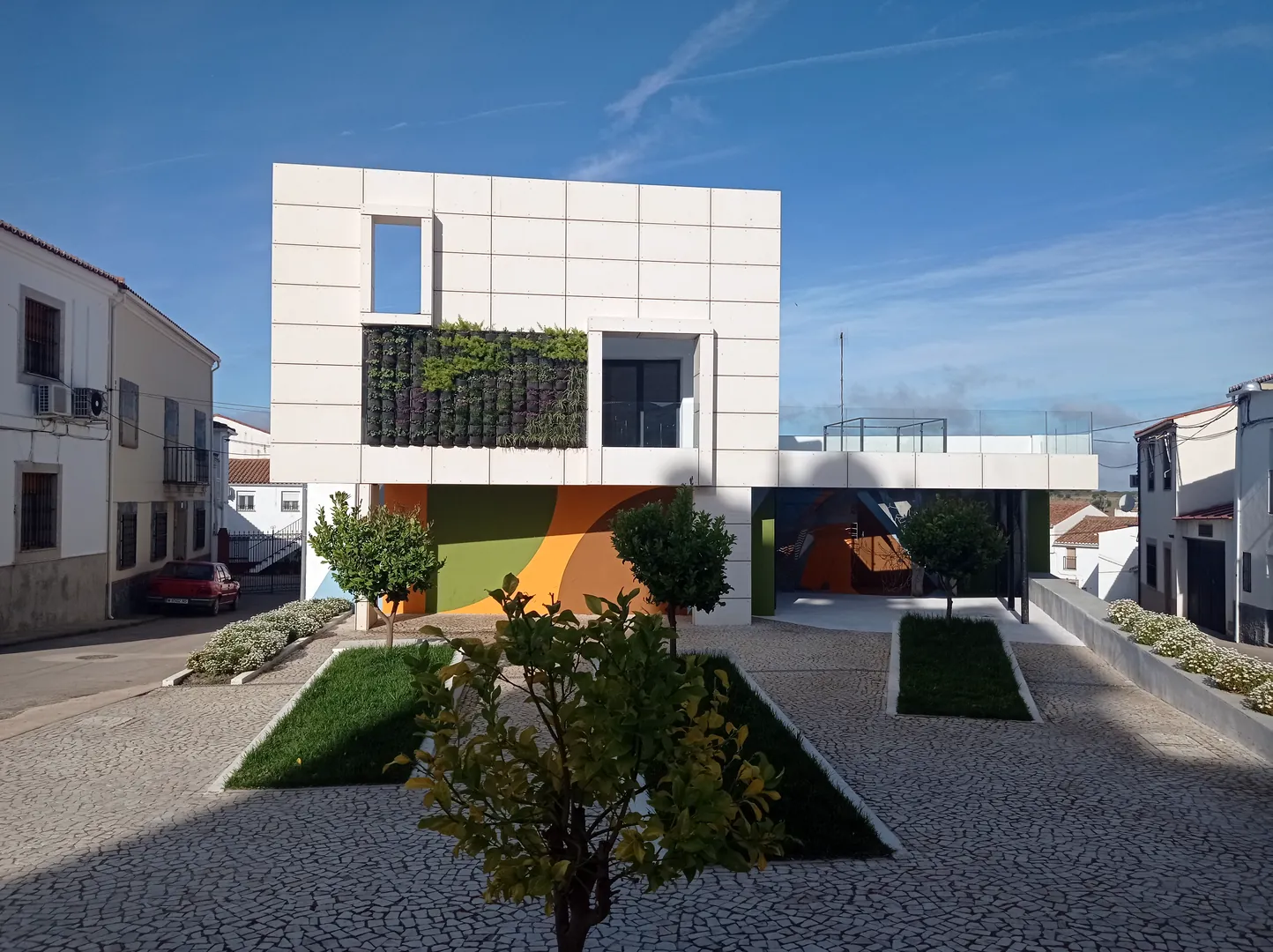
We begin in this village in the Sierra de San Pedro, where the streets have been transformed into a unique art gallery thanks to the murals of the Tajo Internacional Biosphere Reserve. There’s no need to look for a museum: it’s right here on the high street – and, what’s more, without an audio guide telling you when to be moved. → TOP TIP: the Tajo Internacional visitor centre will give you all the information you need.
The dehesa takes the wheel
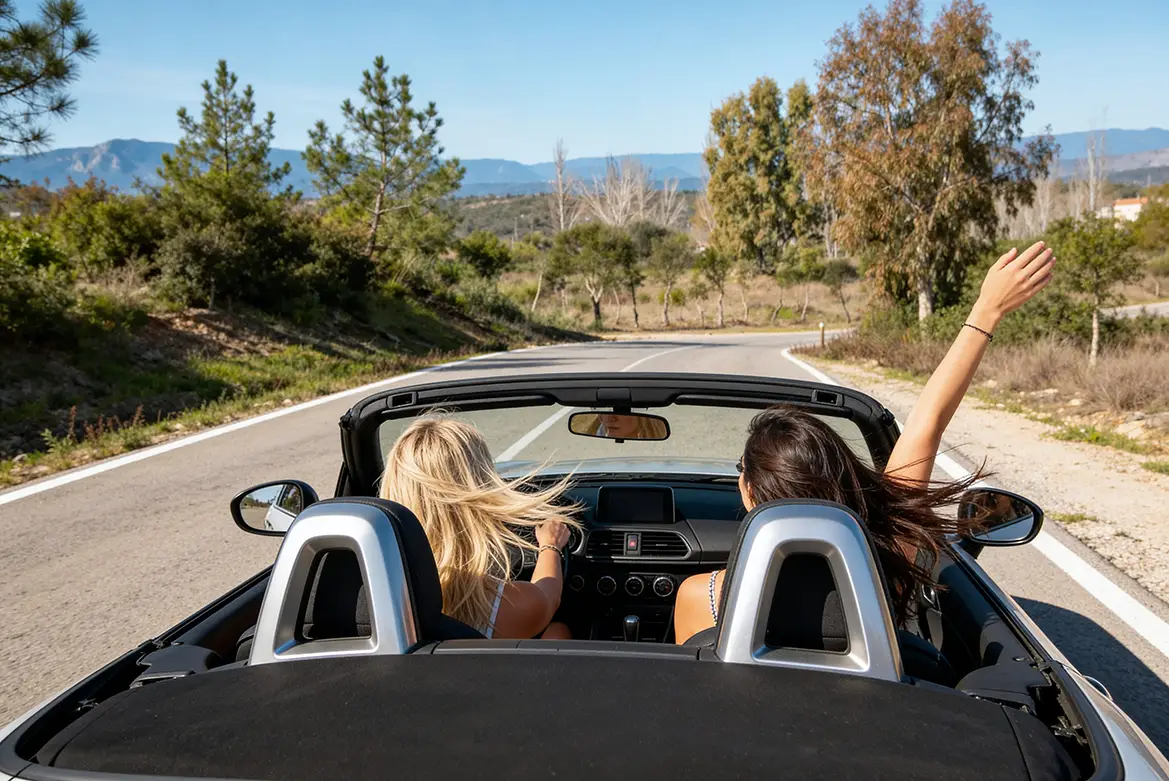
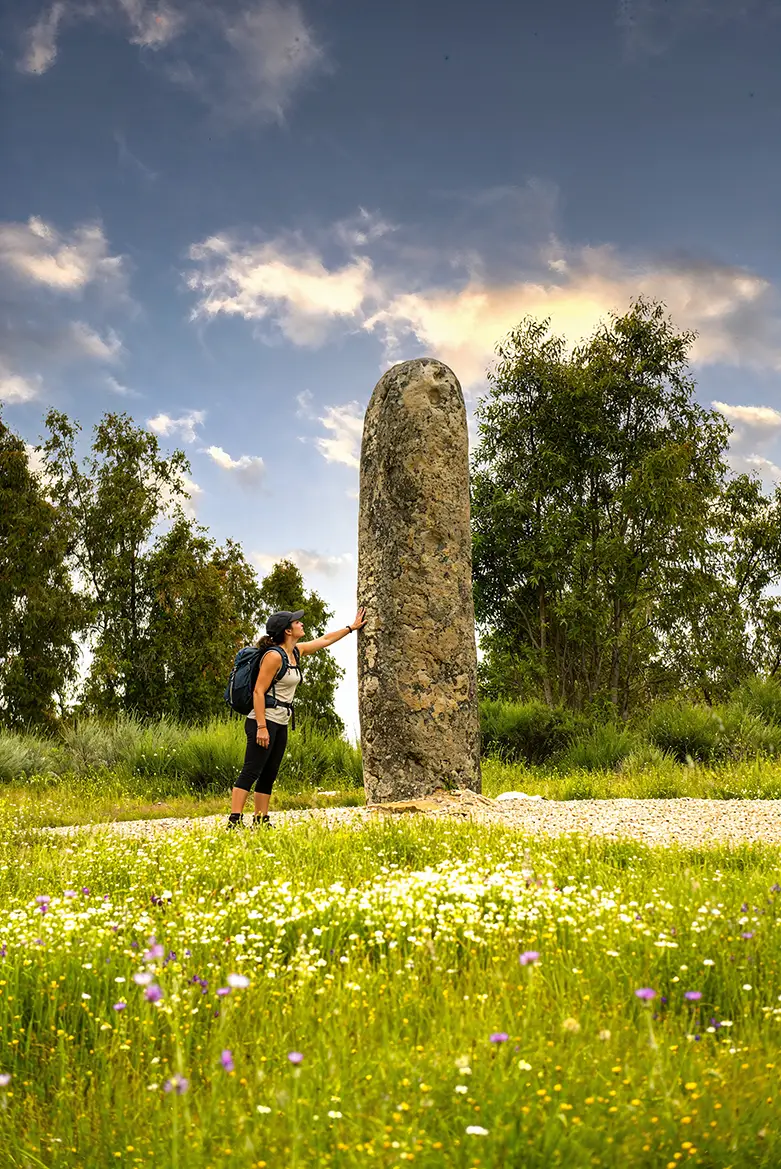
Now we’re talking: a scenic route. The landscape opens up amongst holm oaks and cork oaks, whilst the Sierra de San Pedro runs alongside the route. → TOP: look up at the sky from time to time; this is the territory of large birds of prey. If you spot a vulture, an eagle or a Egyptian vulture, try not to mistake it for a smudge on the windscreen.
I ❤ Herreruela
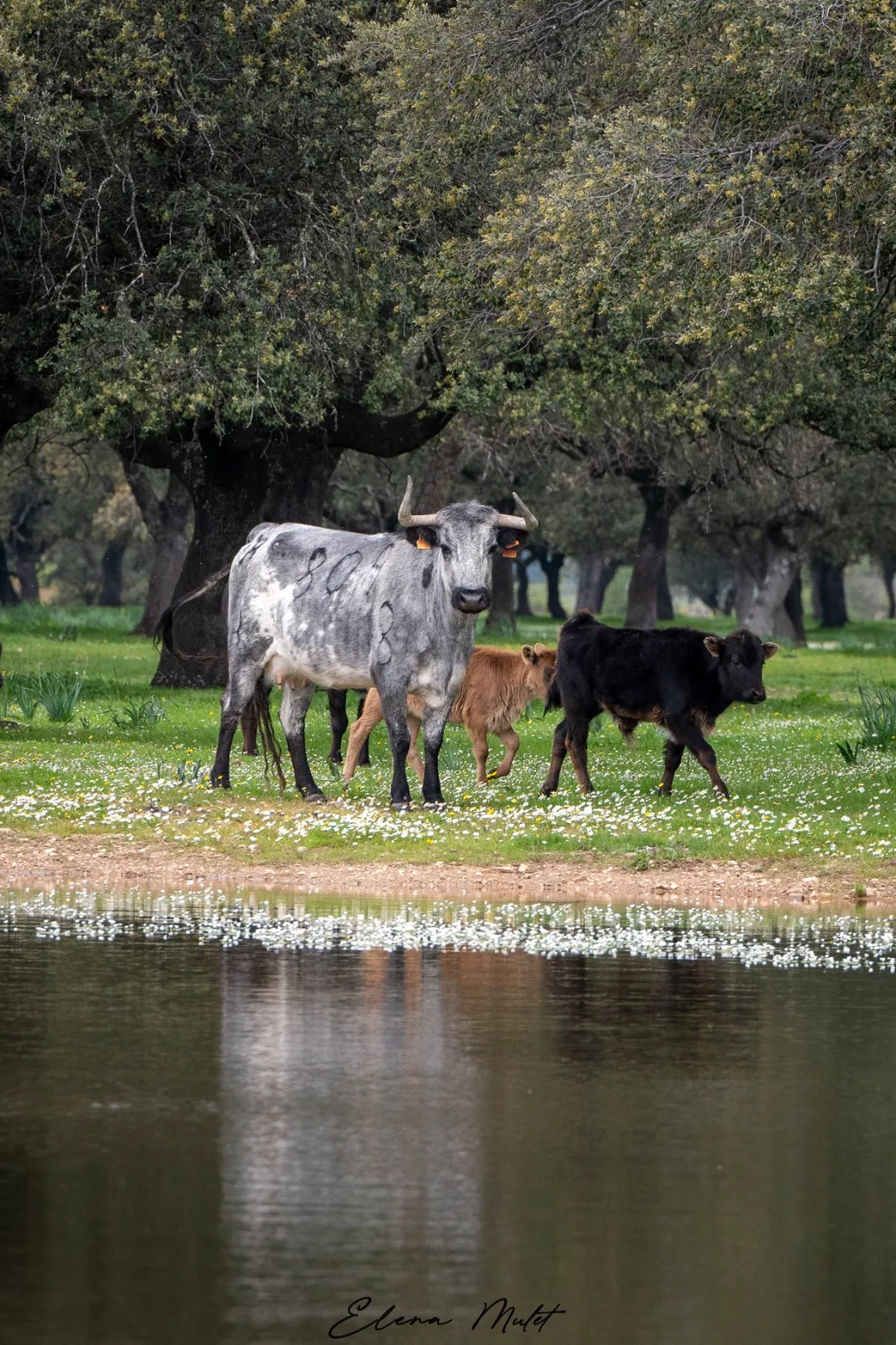
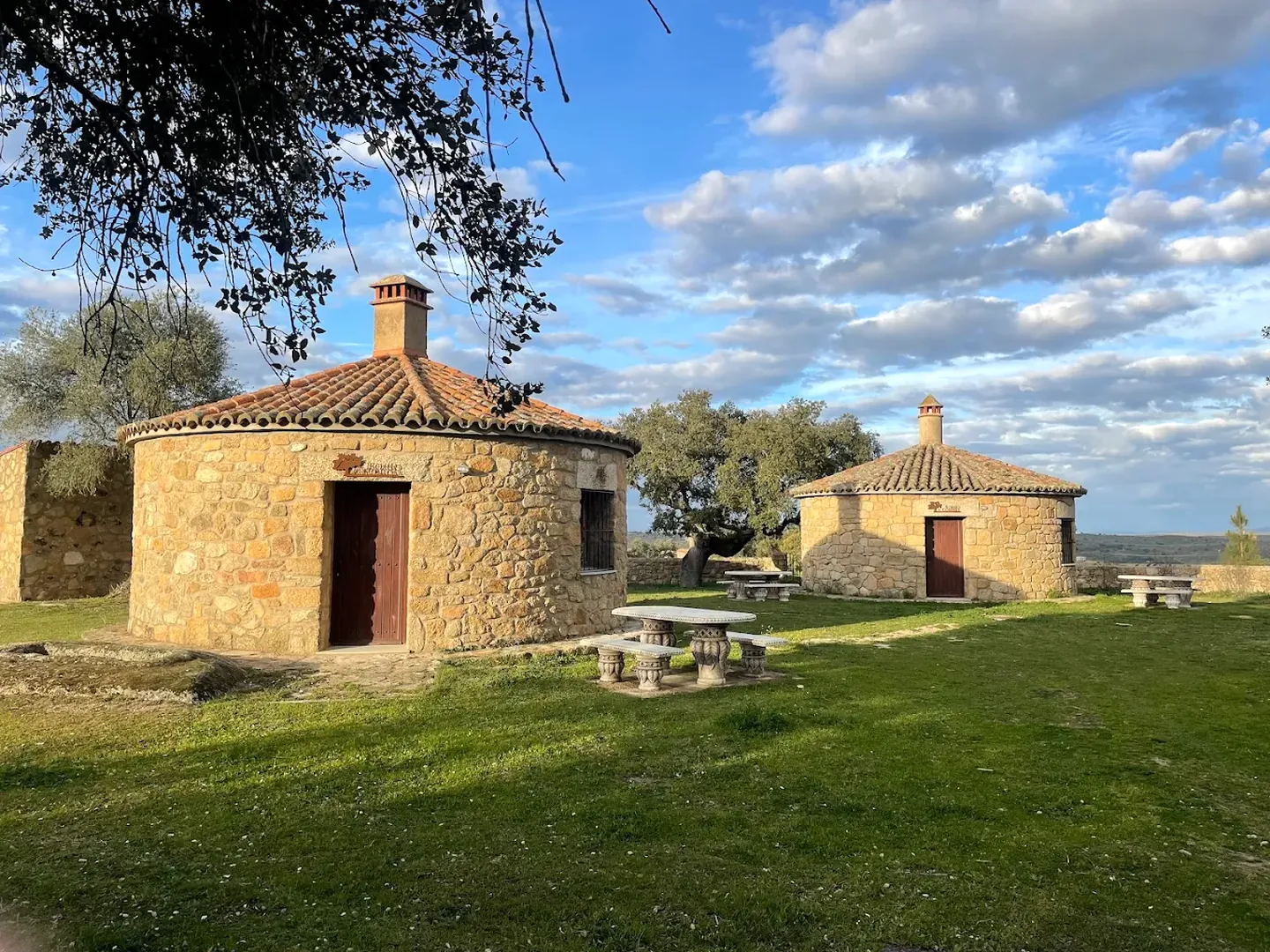
Herreruela introduces another side to the landscape: the dehesa as a land of livestock farming and a way of life. Here you can enjoy nature-based experiences, such as the bellowing of the stags, a visit to a cattle farm (Toros de Pablo Mayoral) or birdwatching. ➸ TOP: visit the local museum dedicated to smuggling and banditry and you’ll discover some fascinating stories.
The landscape still tells a story
We left Herreruela and set off for Brozas. The road winds its way through pastures and open landscapes once more. It’s one of those stretches where the sat-nav keeps telling you how far you’ve still got to go, whilst the landscape invites you to go with the flow, to let yourself be carried along.
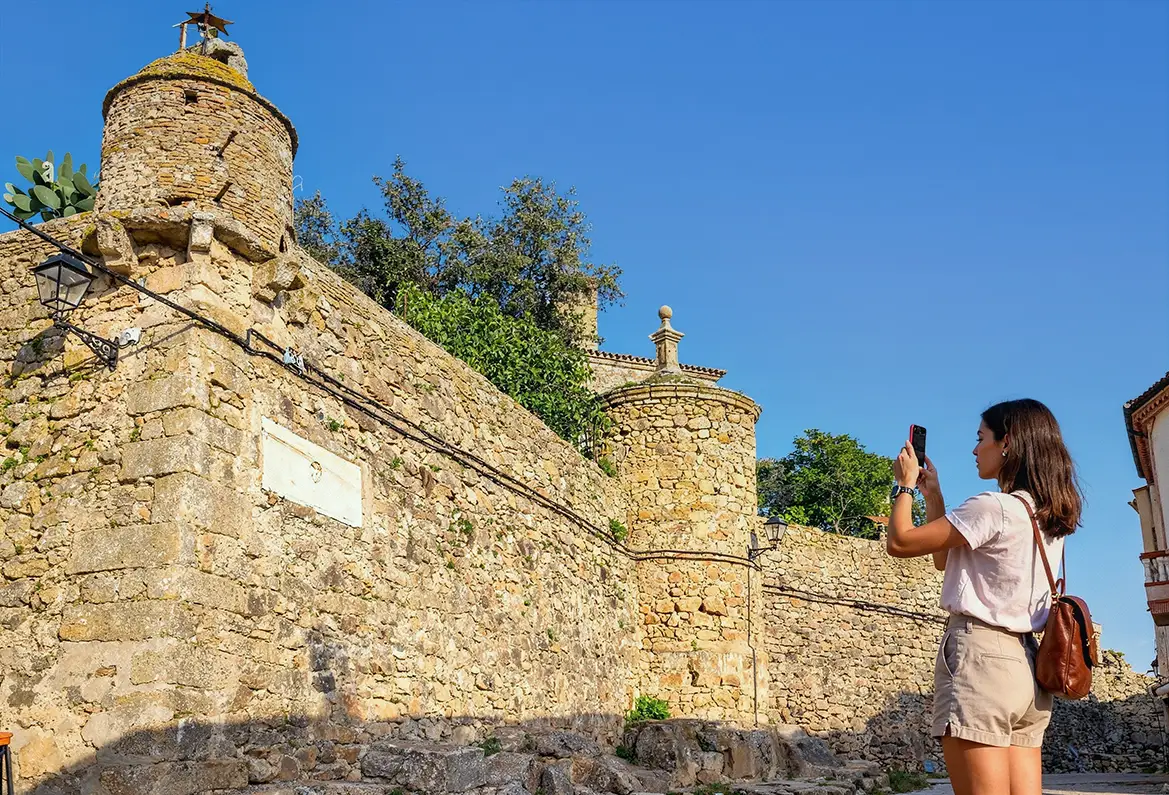
Monumental Brozas
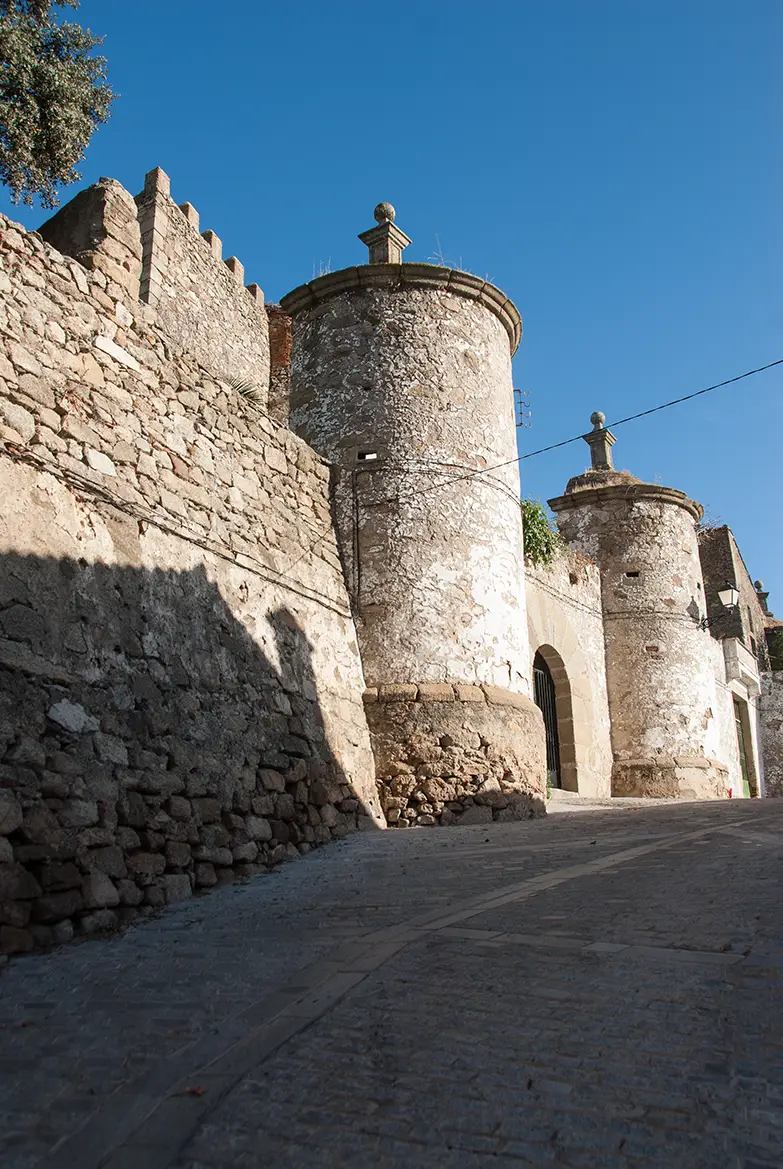
We arrive in Brozas and the scenery changes. Churches, palaces, houses bearing coats of arms and monumental architecture bear witness to the power that once centred here. Brozas was designated a Historic Site in 2016. If you visit, you’ll understand why.
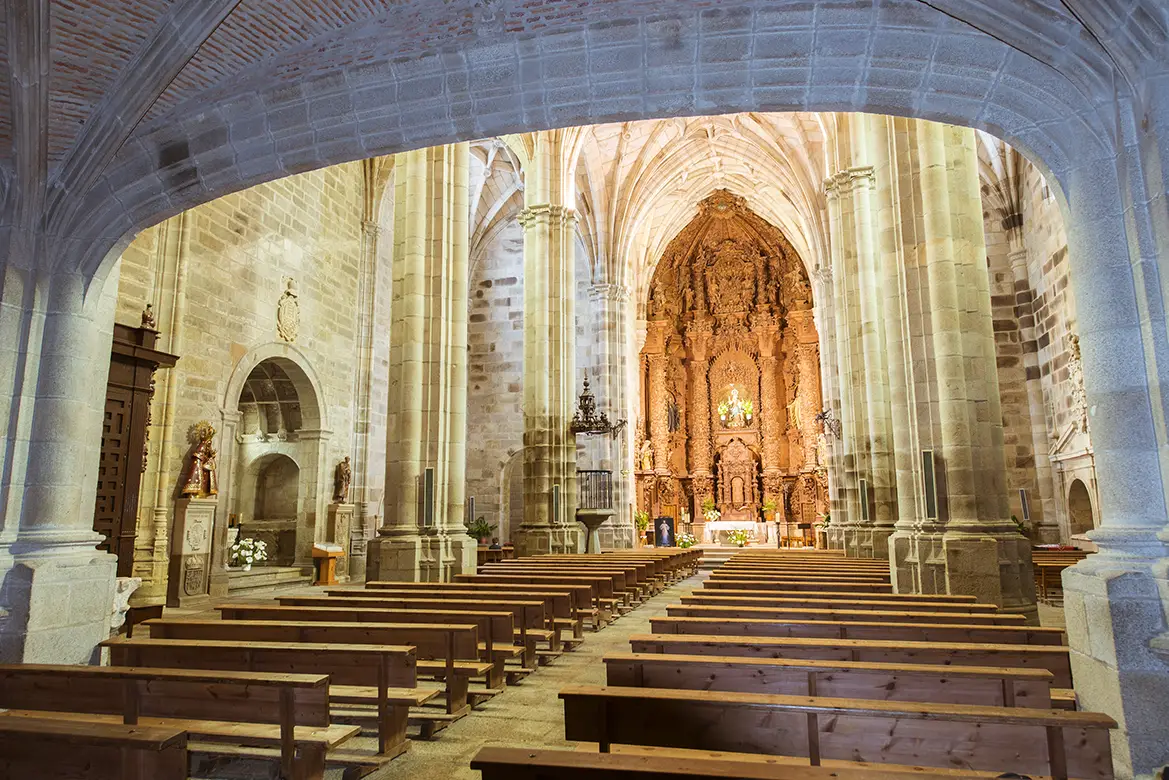
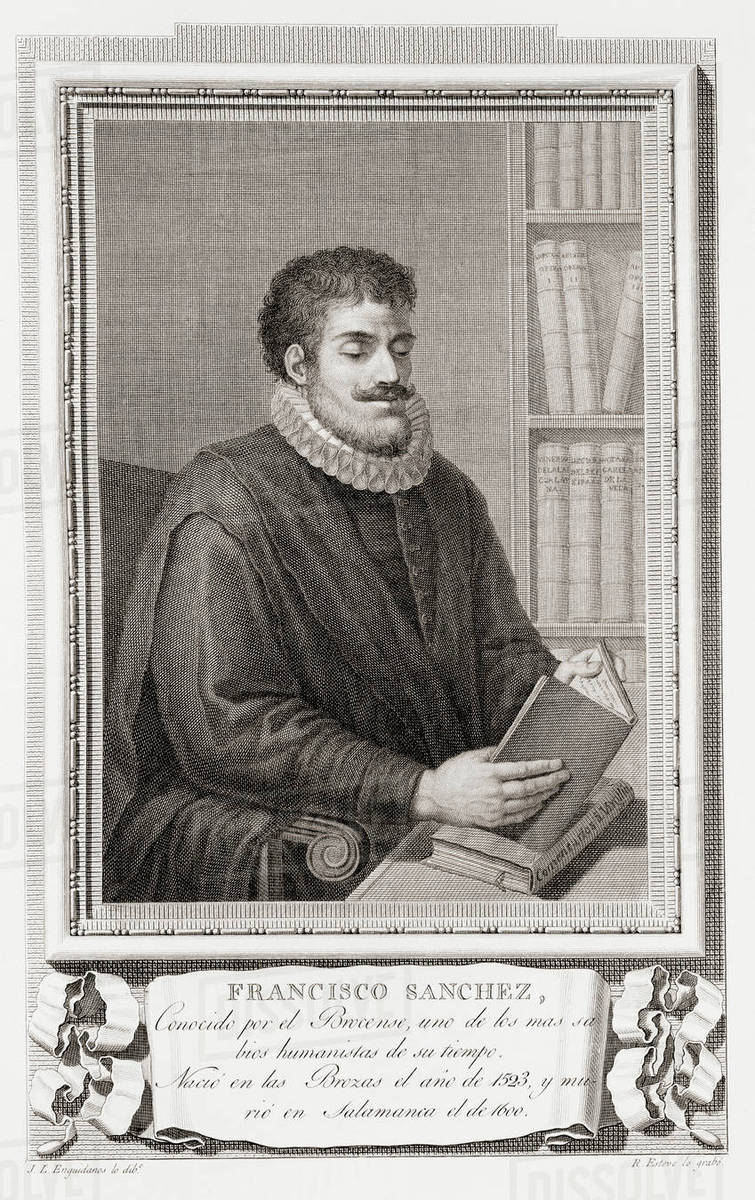
Santa María la Mayor and other successes from Brocense
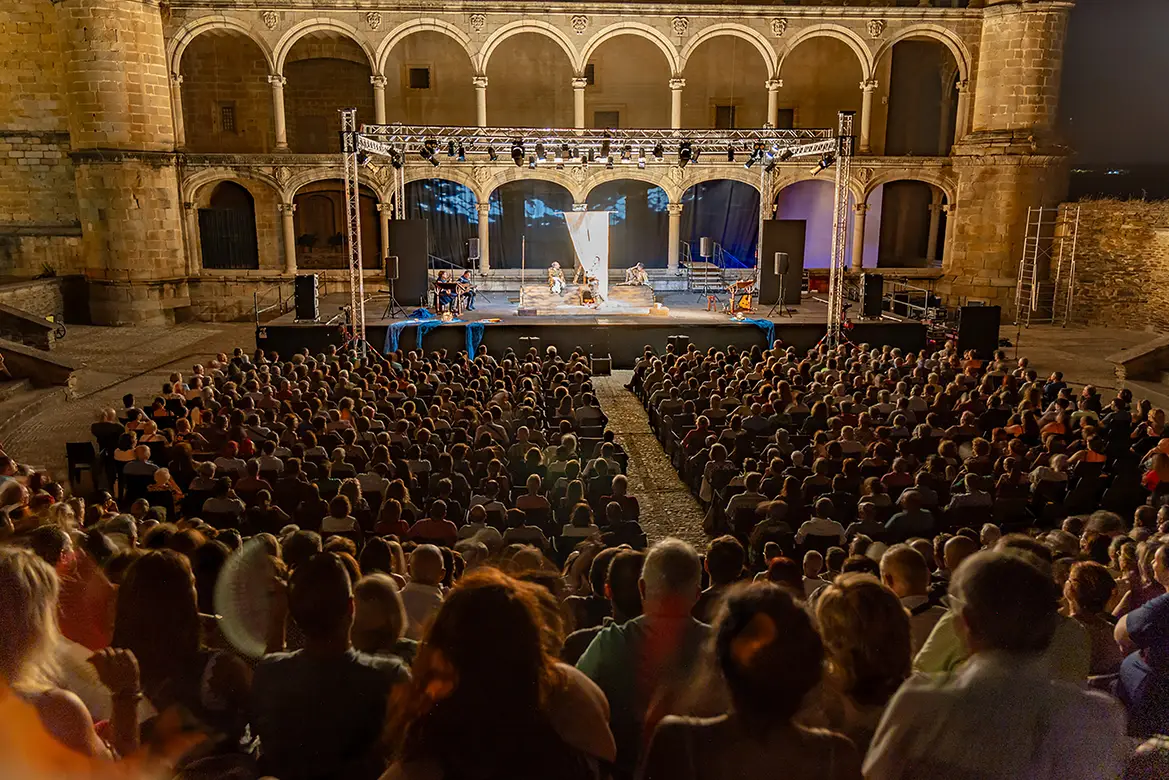
Santa María la Mayor is one of the great treasures of Brozas’s heritage. It also boasts a castle, palaces and emblazoned houses which, without the need for much explanation, reveal who held power.
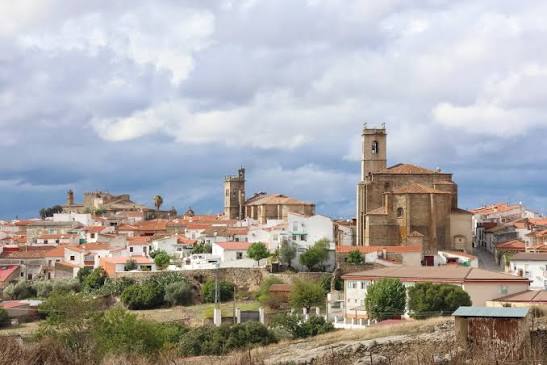
And as if that weren’t enough, the Urban Special Protection Area for the lesser kestrel
Brozas has a rather unusual feature: it is an urban Special Protection Area (SPA) and its historic buildings provide a refuge for the lesser kestrel. Here, heritage and nature go hand in hand. → TOP: to round off your visit, head to the Charca de Brozas y Ejido peri-urban conservation and leisure park.
END
Today we’ve gone from the murals of Salorino to the pasturelands, from birds of prey to smuggling, and from the holm oaks to the Brozas estate. Not bad for 36 kilometres. But this is the Sierra de San Pedro: here, distances are best measured in stories rather than kilometres. Tomorrow we’ll swap the pastureland for Rome, the manor for the border and the holm oaks for the Tagus. And there’s still a bridge that’s been waiting for almost two thousand years.
 Spanish
  English