- GRAND TOUR OF UNESCO SITES

Two days where the map ends: La Raya
GETTING AWAY 01 · 2 DAYS
Home > EGetaway 01 · 2 days > Two days where the map ends: La Raya
- 2 days
- 35 / 45 km.
- By car / motorbike
Two days amongst dolmens, border villages and landscapes that learnt centuries ago that a border can also bring people together.
There are borders that divide. And then there is La Raya, where, for centuries, the Portuguese and the Spanish have learnt to live whilst looking at one another from either side of the same line.
This getaway enters the region via Valencia de Alcántara, taking in medieval streets, Sephardic culture, dolmens and pasturelands, before continuing towards the Tagus and its border villages.
The first day focuses on those who came before: the early settlers, megalithic culture and a border that has shifted more than once. The second day takes us to the river, to Cedillo, Herrera and Santiago de Alcántara, where the landscape once again takes centre stage.
___
➸ DAY 1 · MEGALITHIC MONUMENTS AND LANDSCAPE (35 km) · See map
Valencia de Alcántara
➸ DAY 02 · THE TAJO AS A BORDER (45 km) · See map
Valencia de Alcántara → Santiago de Alcántara → Herrera de Alcántara → Cedillo

🚩 Km 0 · Valencia de Alcántara
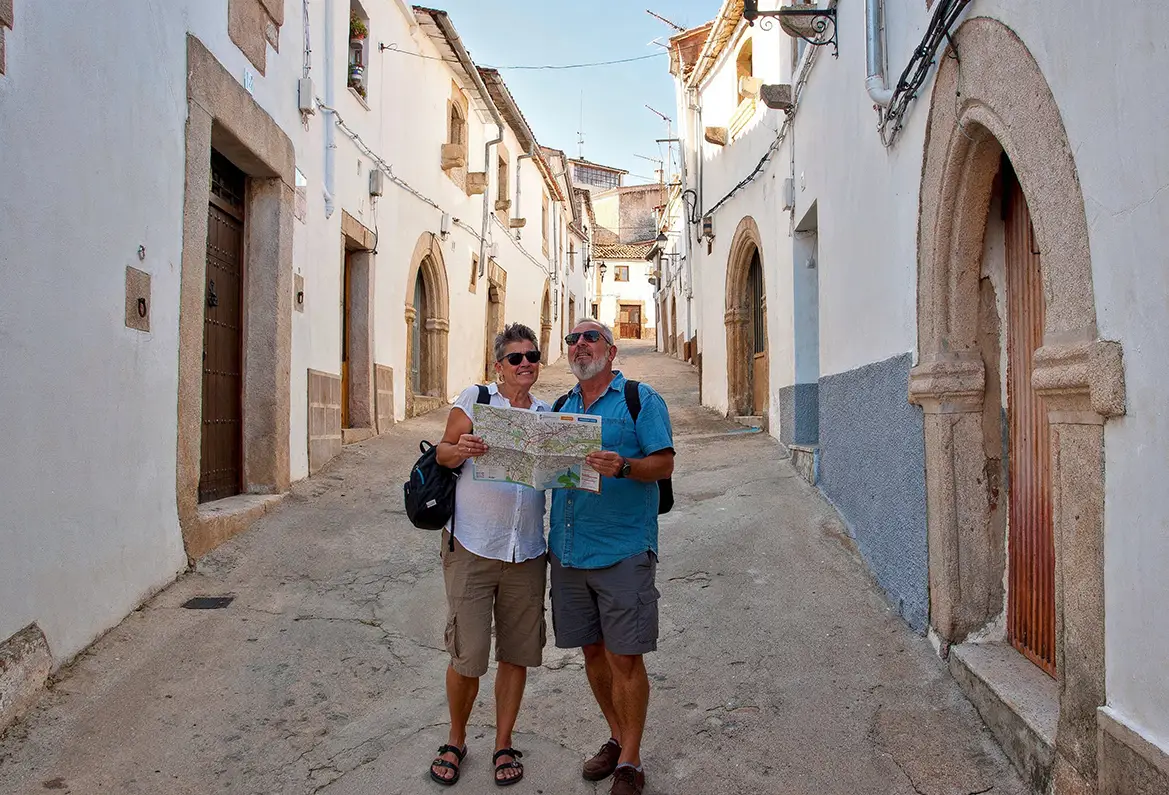
Start with a walk… The Gothic Quarter of Valencia de Alcántara
266 Gothic doorways make this neighbourhood the largest Sephardic labyrinth in the province. This is where the road trip begins: getting a little lost is all part of the plan.
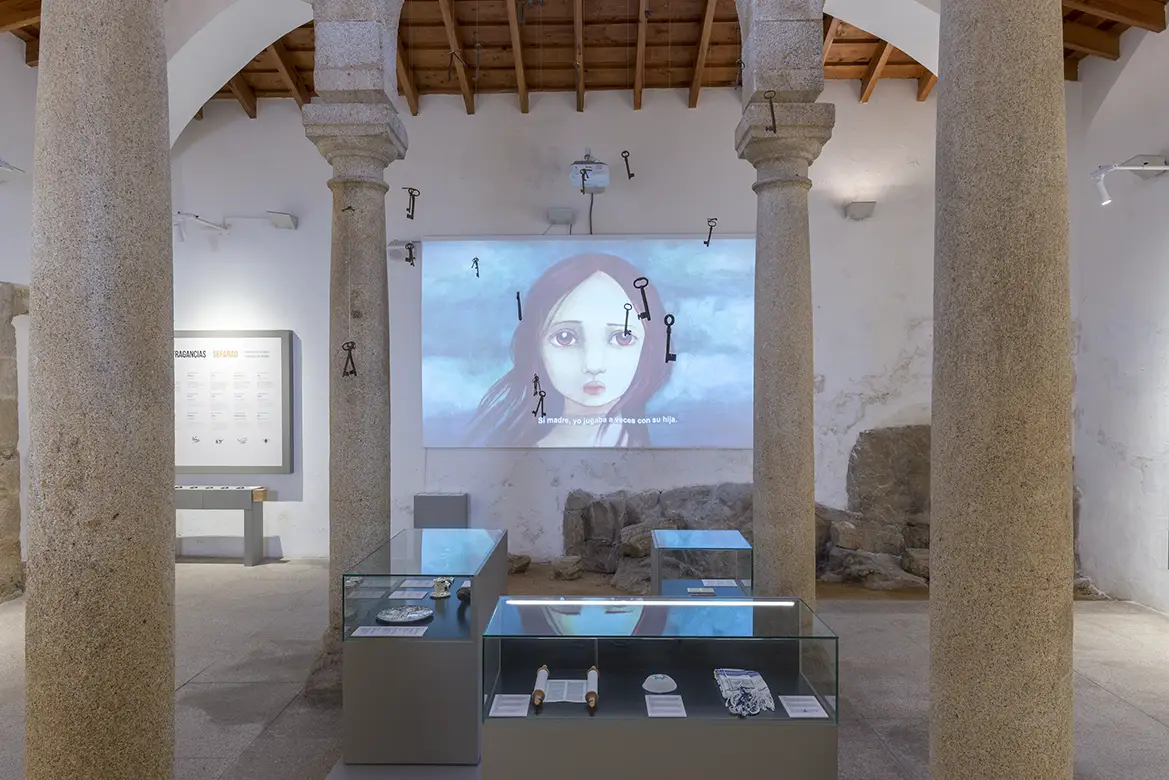
🖐 Km 0 · Valencia de Alcántara
To understand the Gothic Quarter, the heart of Sephardic culture
After exploring the neighbourhood, it’s time to find out who lived here and what their lives were like. A brief journey through Sephardic history before leaving Valencia. And no time machine required.
⛪ Km 0 · Valencia de Alcántara
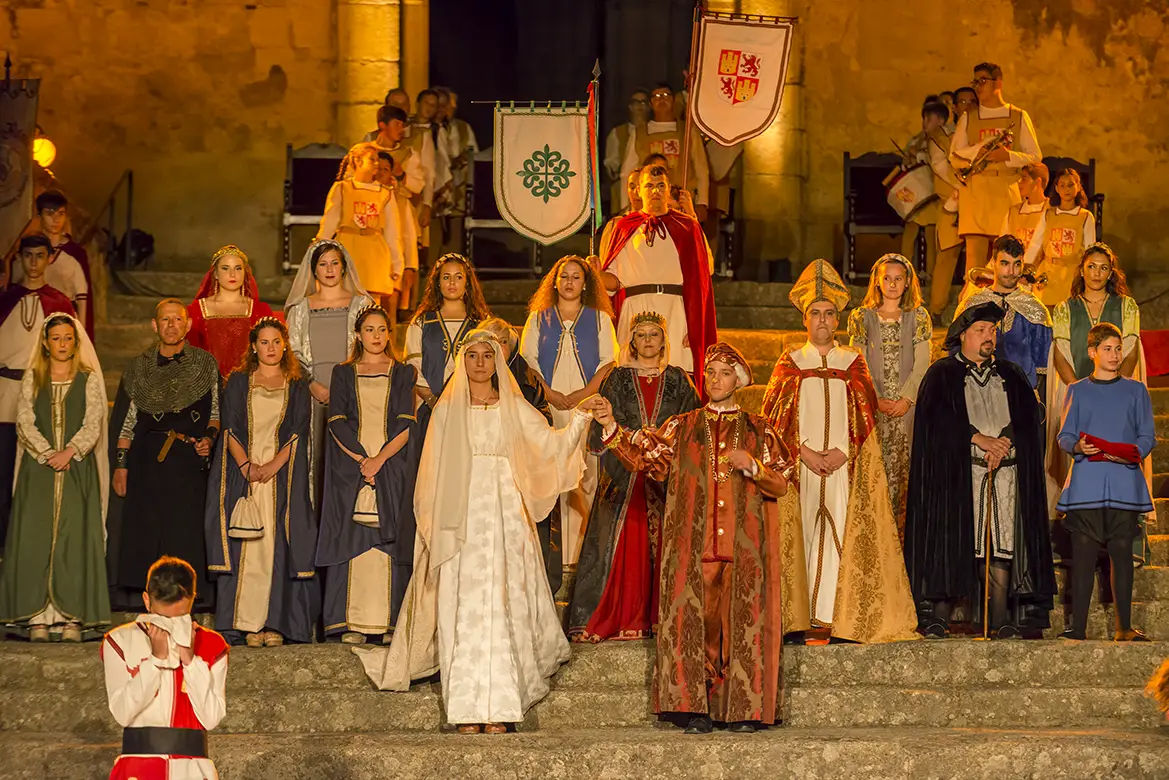
Rocamador Church
Rocamador provides a monumental finale to our tour of Valencia. After centuries of watching travellers, kings and borders come and go, we’ll just ask you to spare a few minutes before we set off. Remember, it’s a Site of Cultural Interest.
🚗 Km 02 · Drive carefully and stick your arm out with caution
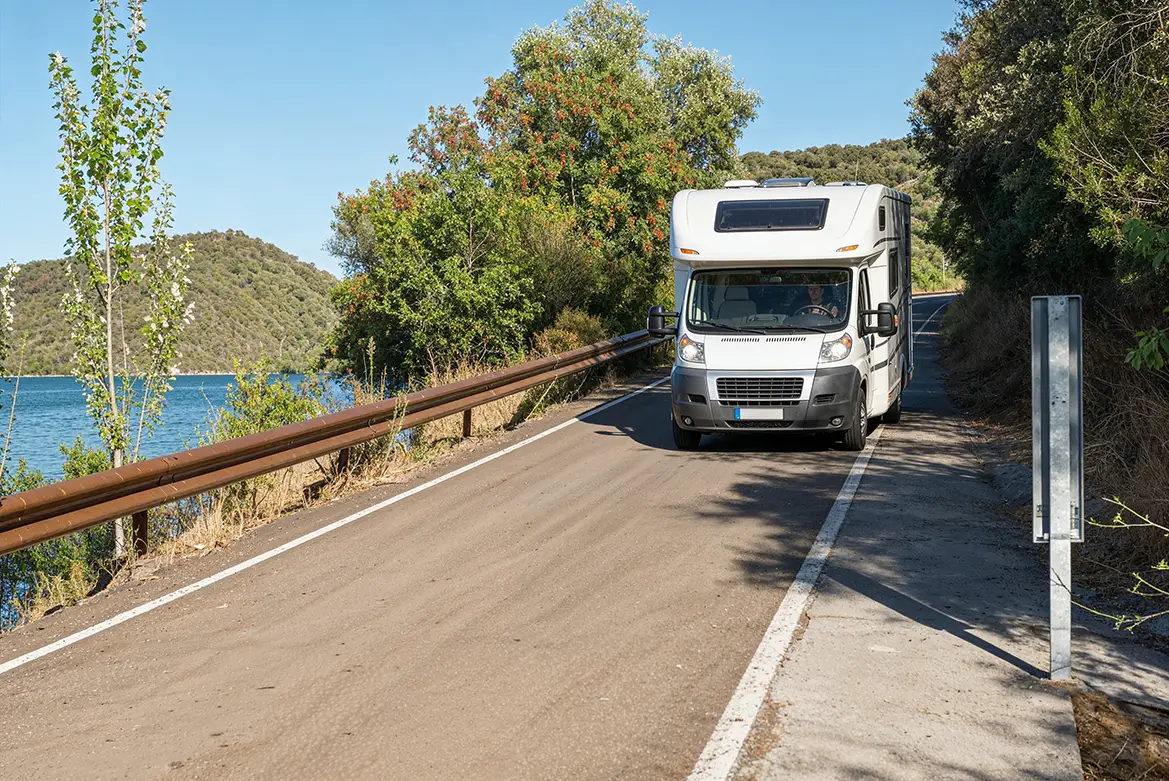
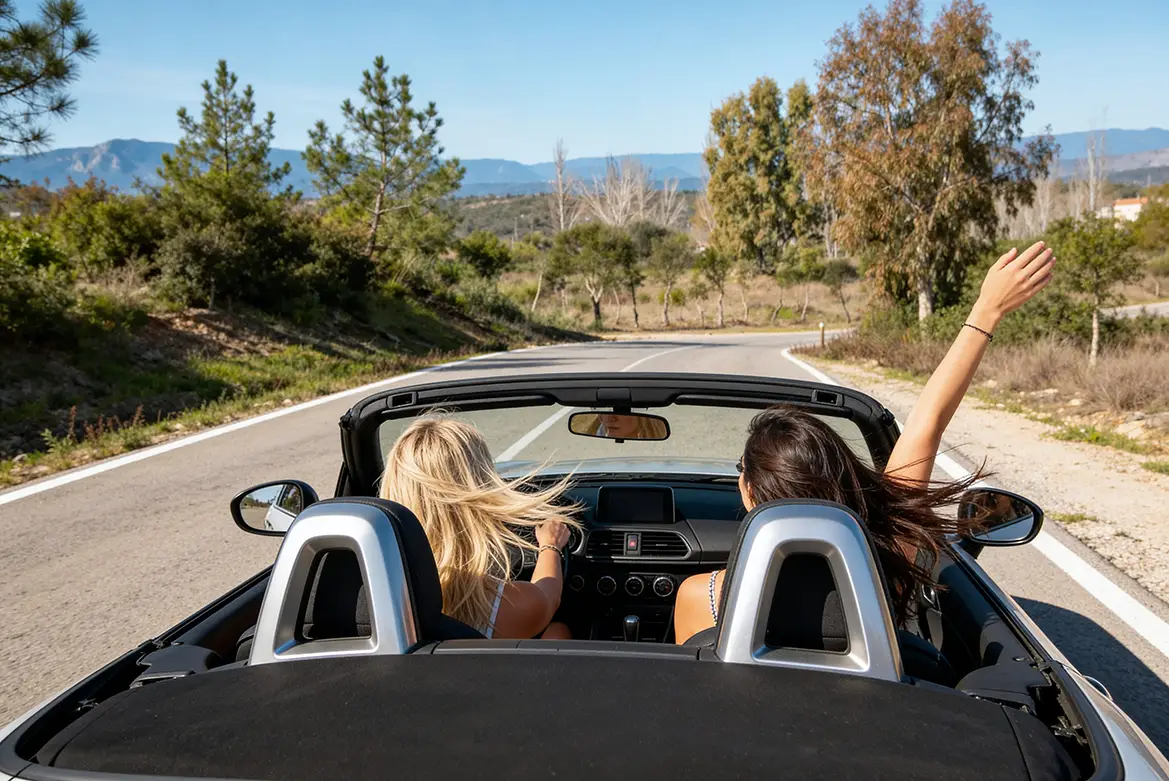
Along scenic roads
Now the road begins. There’s no need to rush anywhere: the countryside, the rocky outcrops and the pastures are all part of the route. If you see something you like, you stop. It’s as simple as that.
🚶♂️➡️ Km 12 · A great walk
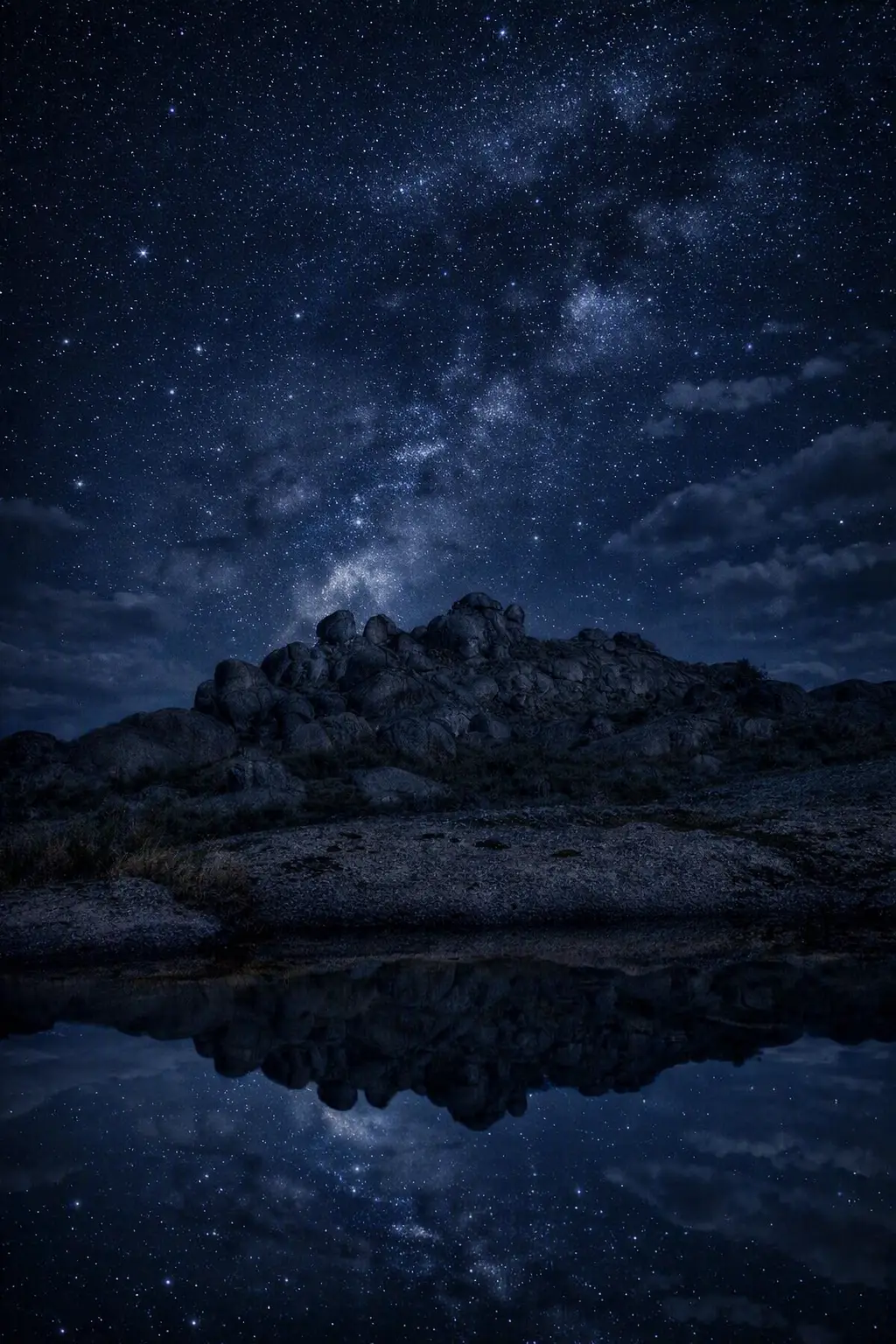
Berrocal de La Data Natural Monument
This ought to be one of the best photos of the day. Granite boulders, pastureland and impossible shapes. The rocky outcrop at La Data looks like the work of someone who was given too much granite and decided to use it all up. And, well, it turned out rather well.
🚶♂️➡️ Km 14 · First walk
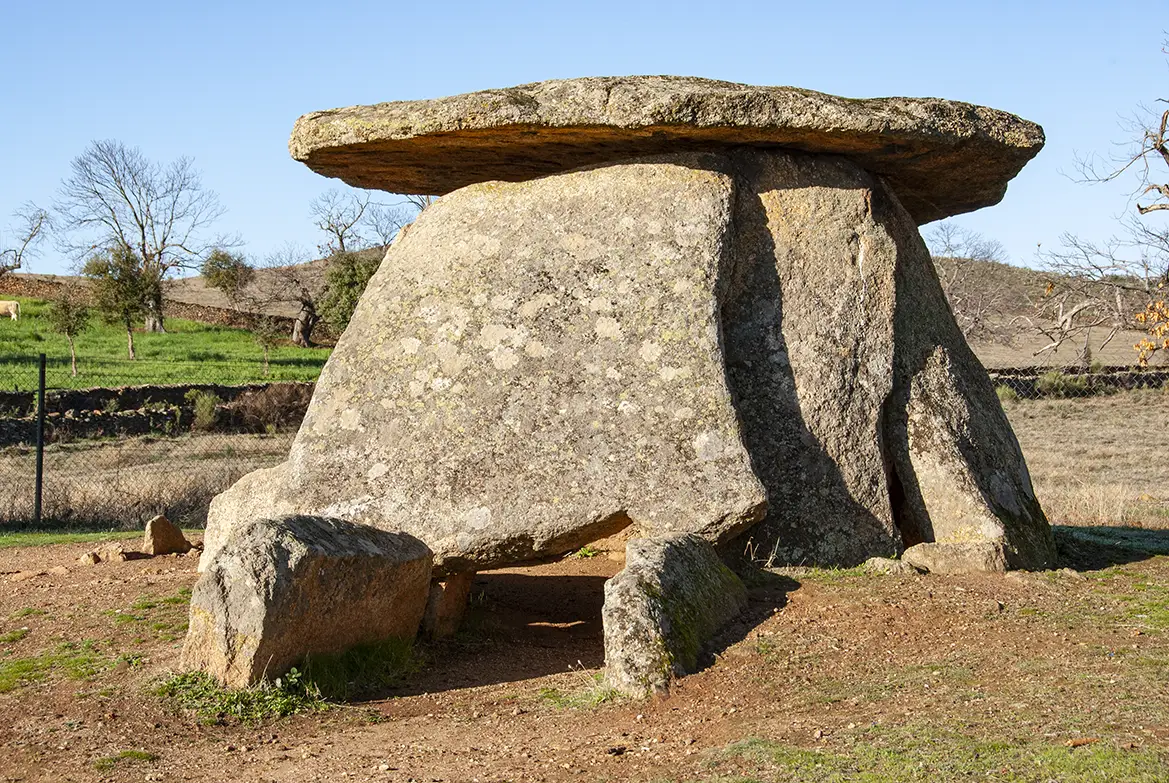
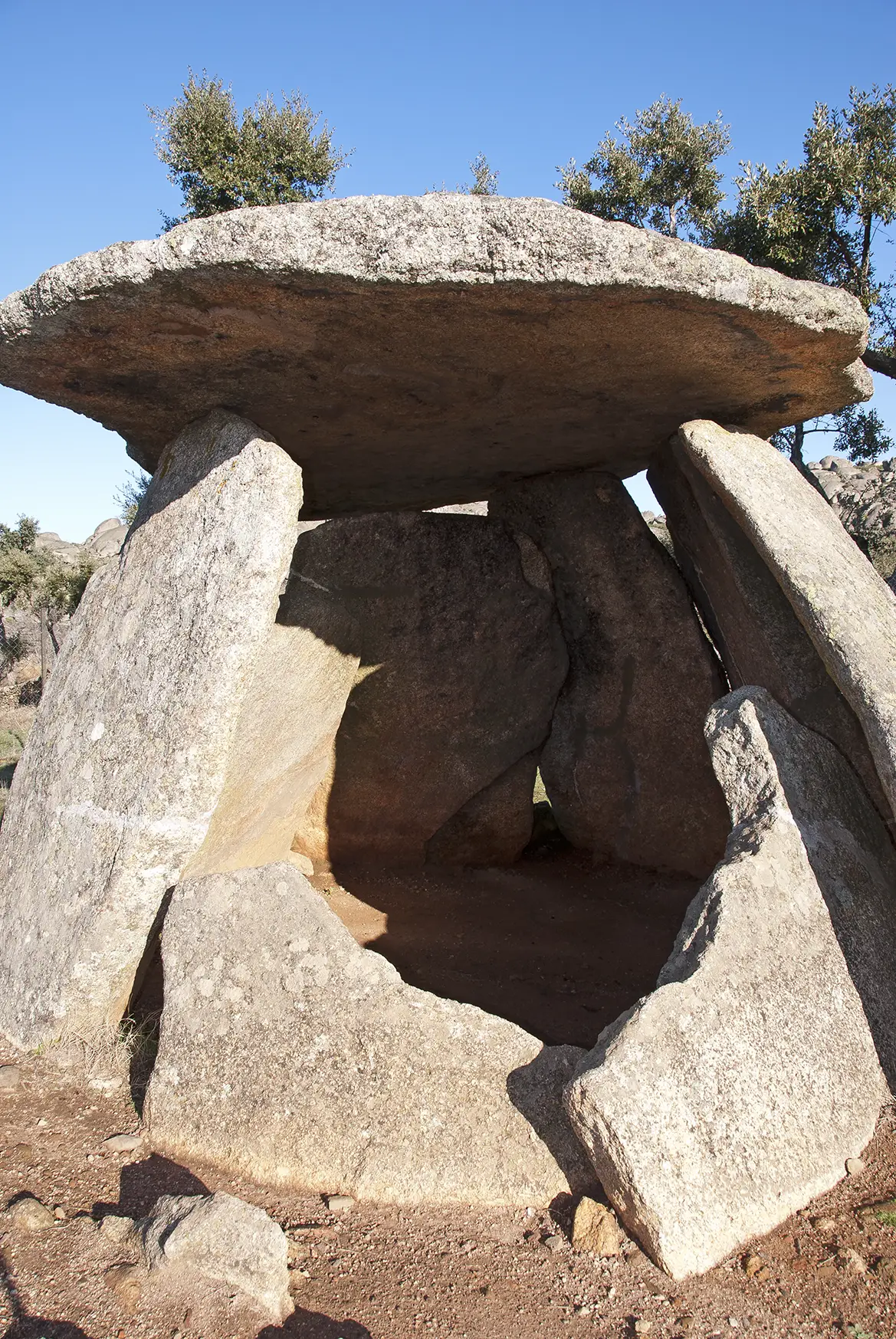
Twin Dolmen
El Mellizo is one of the finest examples of megalithic architecture in the area. Its enormous granite “beret” has stood here for thousands of years. We’ll reach it via a narrow path after leaving the car for a moment.
🚶 Km 26 · Walking experience
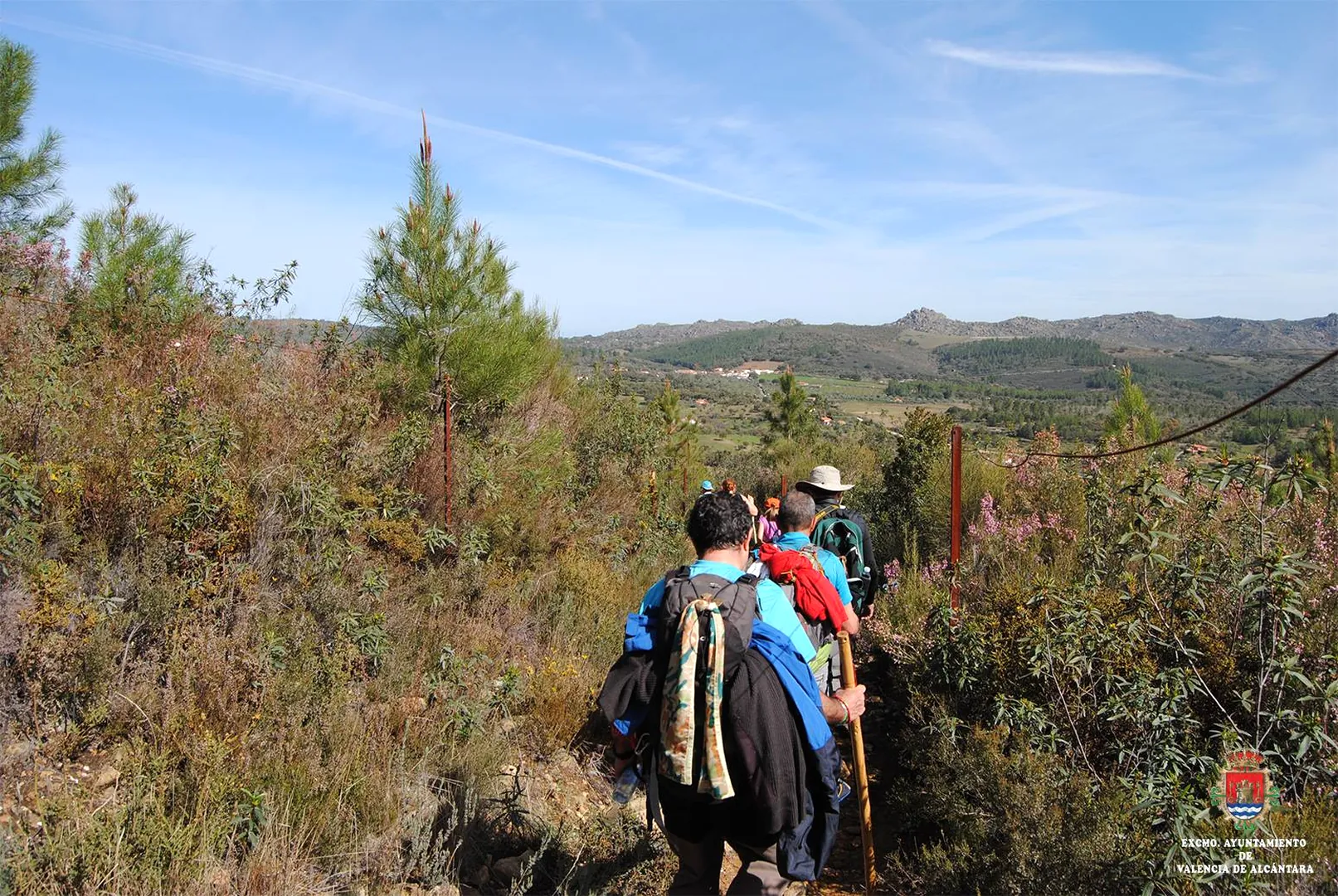
PR-CC 88 Cross-Border Route
The PR-CC 88 trail winds its way through the megalithic landscape of Valencia de Alcántara, taking in pastures, granite outcrops and dolmens. You don’t have to walk the whole route: simply choose the section that takes your fancy and let the scenery do the rest.
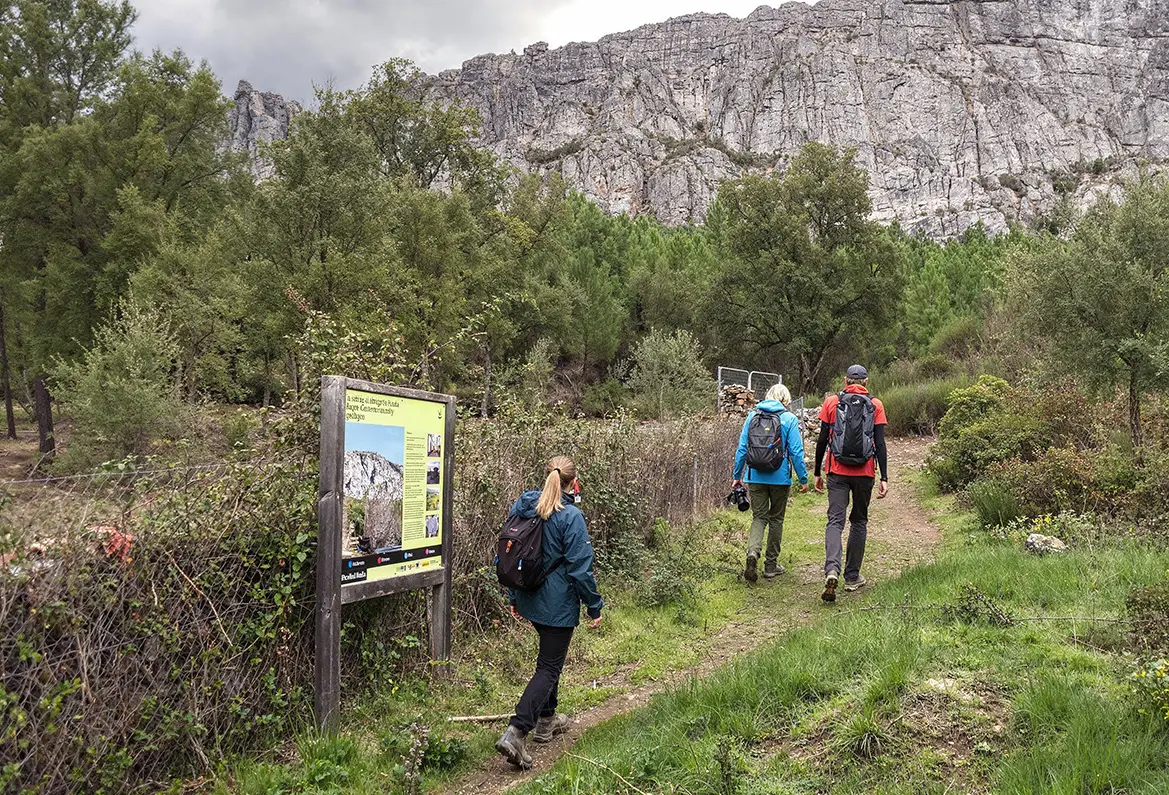
𐦂𖨆 Km 28 · Rock art
Prehistoric Rock Art Trails: Puerto Roque
A change of scene: now the stories are painted on the rock. Puerto Roque still preserves examples of prehistoric rock art. Our ancestors were already decorating the walls. We’re still doing the same, but with a mortgage.
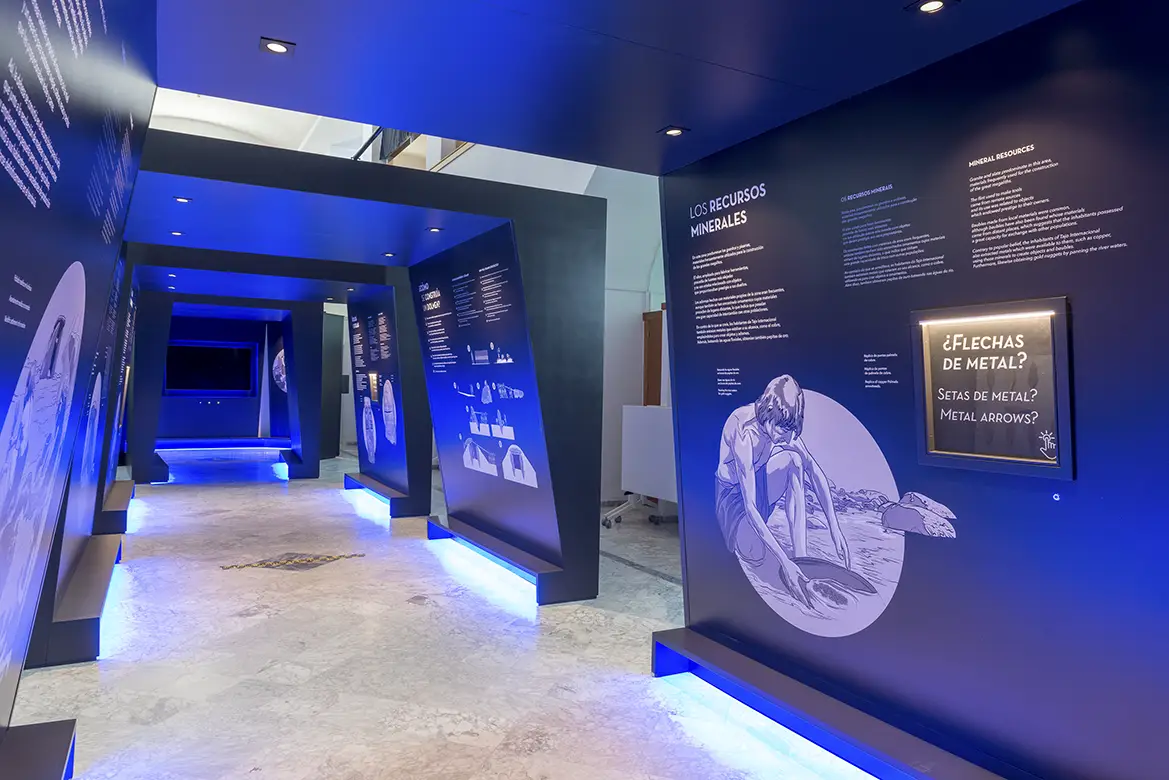
⚡ Km 35 · Time to sort through what we’ve seen
Early Settlers’ Interpretation Centre
After seeing dolmens and rock paintings, it’s time to make sense of everything you’ve just discovered. To do this, we’re heading back to Valencia de Alcántara. The centre helps you understand how the first settlers lived and left their mark.
END
Today we have explored the border from the mainland: medieval streets, Sephardic heritage, dolmens and paths that have connected this region for thousands of years. Tomorrow we will head towards the Tagus. And there we will realise that a border can also be a shared landscape. The river awaits us.
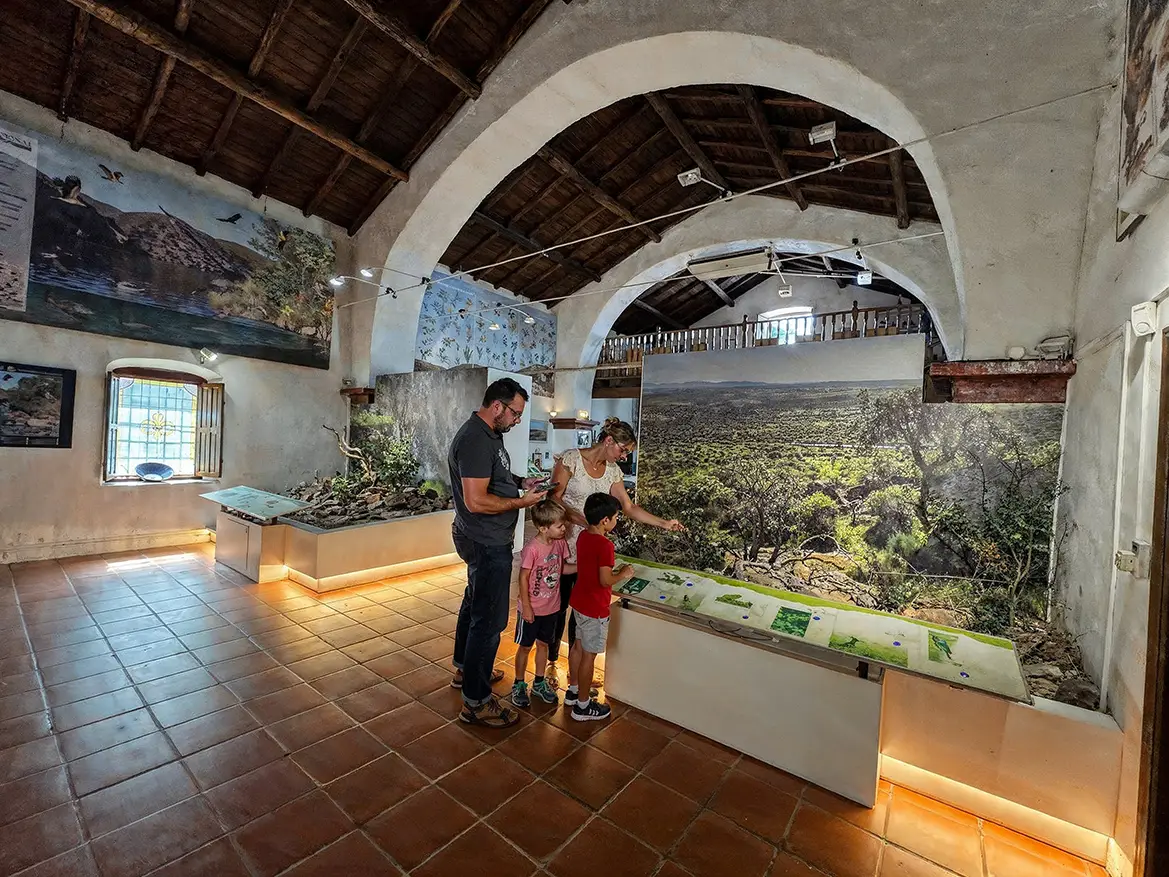
🚩 Km 0 · Santiago de Alcántara
Another day begins: we’re leaving Péndere before we see the hills and the river
A quick stop to get to know the natural landscape we’re about to explore. Next up: pastureland, riverside woodlands, boats, birds of prey and slate cliffs.

👀 Km 5 · Las Viñas
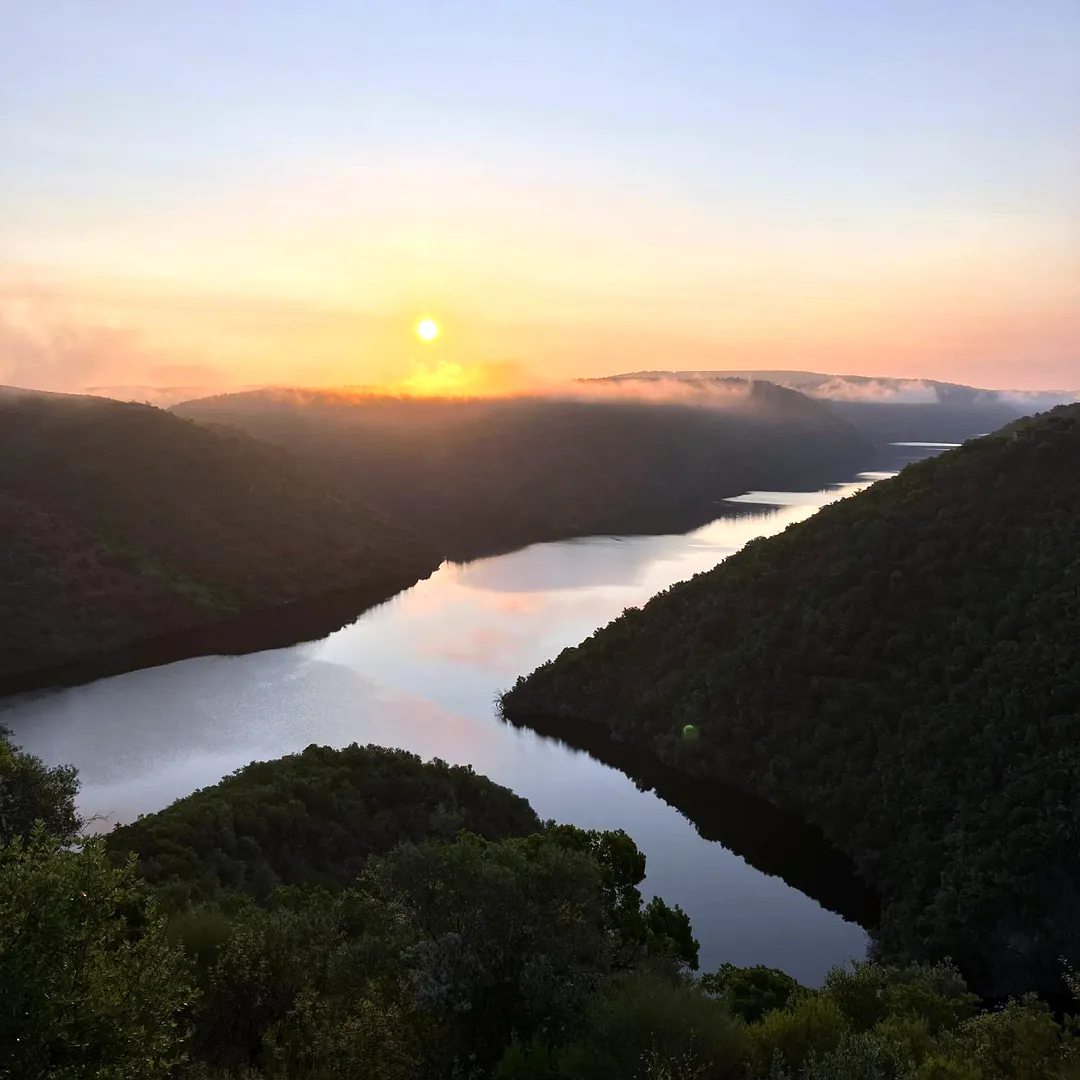
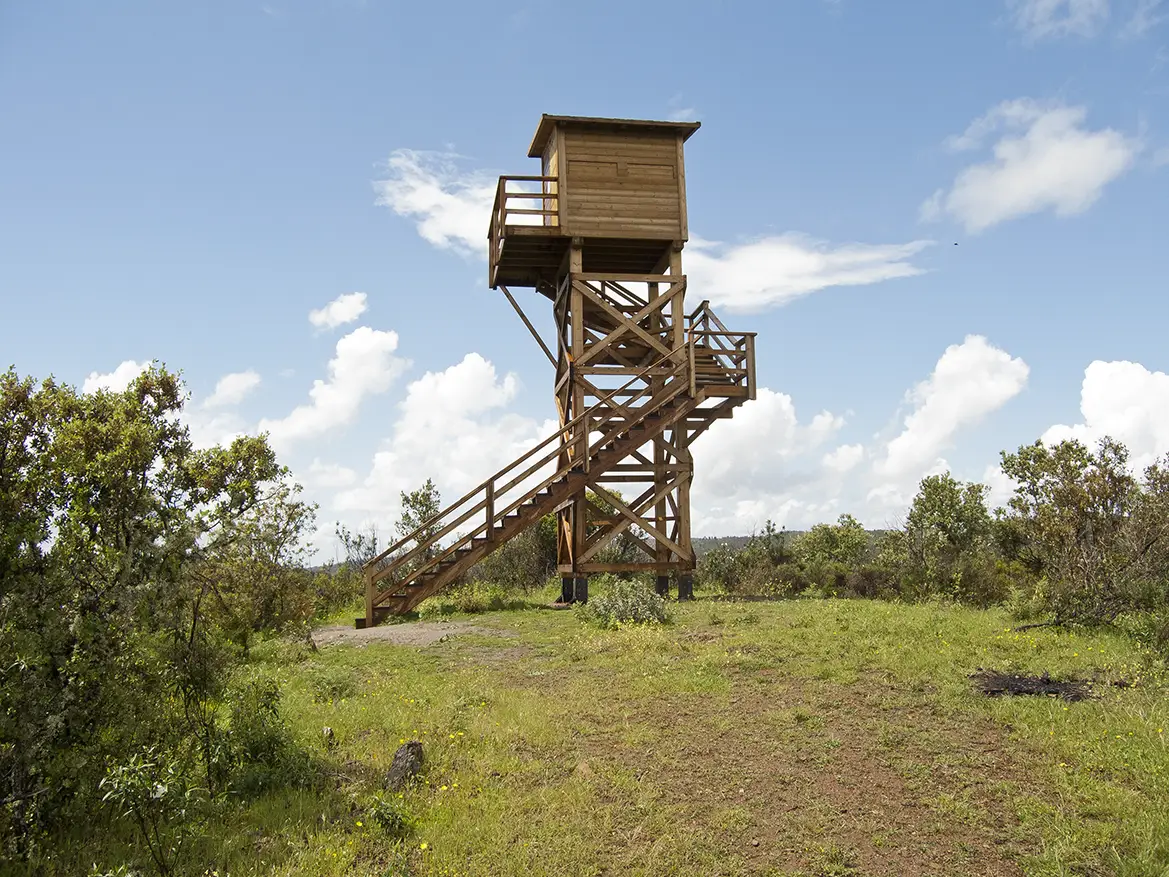
Go up to see the Tagus from above
Leave your car and walk up to the Las Viñas observation tower. From here, the Tajo Internacional reveals itself in all its splendour. If you’ve got binoculars, all the better. If not, wear a scarf. Important: ask for the key at the El Péndere visitor centre if you want to climb up in comfort. From here, you can walk down to a viewpoint on the riverbank.

🚗 Km 10 · Rivera de Aurela
Caution: scenic route
Between Santiago and Herrera, the road winds through steep-sided river valleys, such as the Aurela valley. It’s worth slowing down here, mainly because the scenery is well worth it. And so are the birds; you’ll be able to spot black wheatears, blue magpies and crested larks.

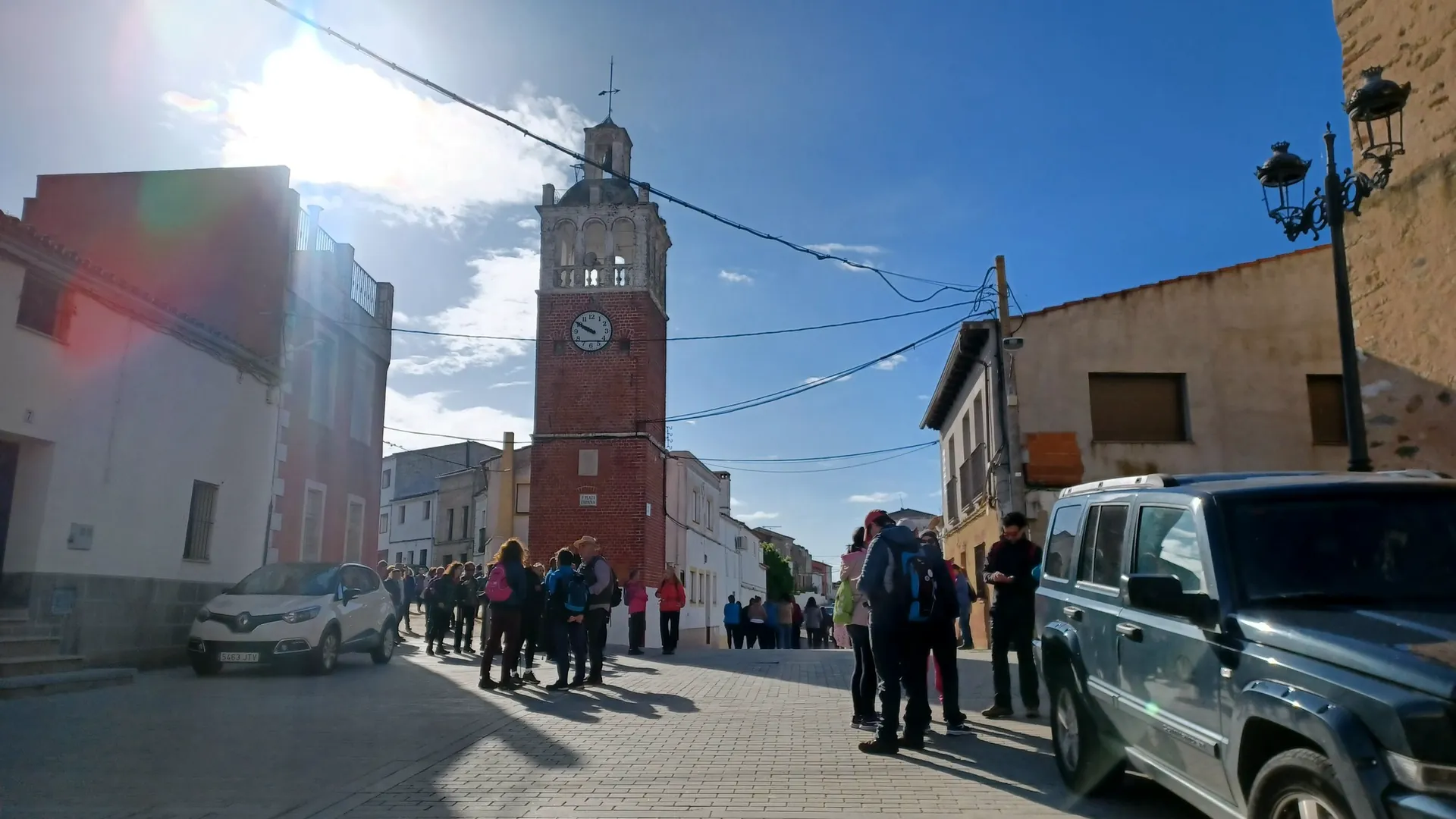
🏘️ Km 17 · Herrera de Alcántara
A town with its own distinctive character
Herrera lies right by the Tagus and has preserved one of those curiosities that make the border region so special: ‘ferrereño’, a dialect with Portuguese roots. It’s well worth pulling over here and having a wander.

🚶♂️➡️ Km 17 · Negrales Viewpoint
The Tagus – this time for real
One of the reserve’s most popular walking routes starts in Herrera: the Negrales viewpoint. It’s a 7.8-kilometre walk to explore the Tagus. Here, the border ceases to be a line and begins to resemble a landscape.

🚢 Km 25 · Balcón del Tajo jetty
Now swap your boots for a boat
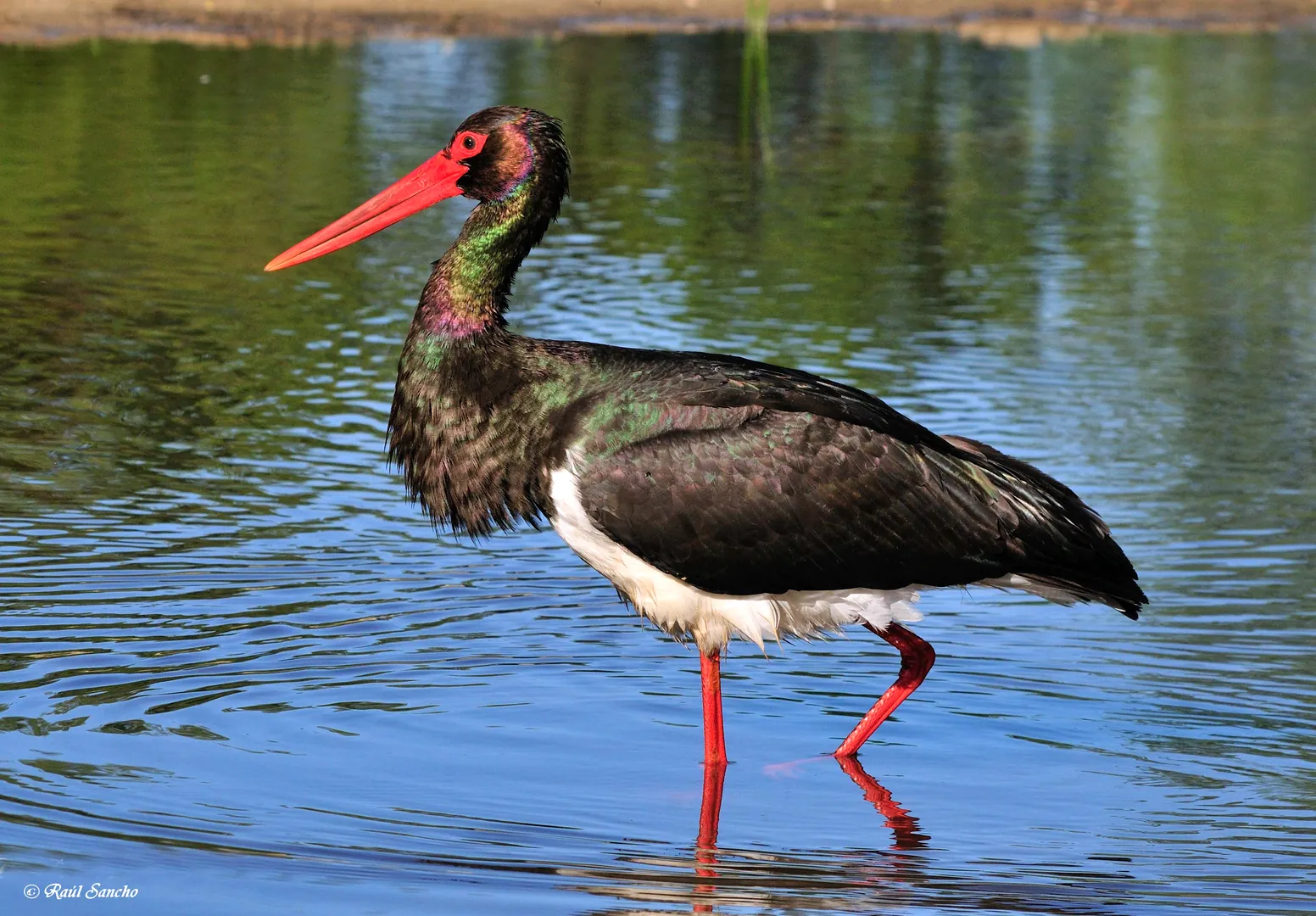
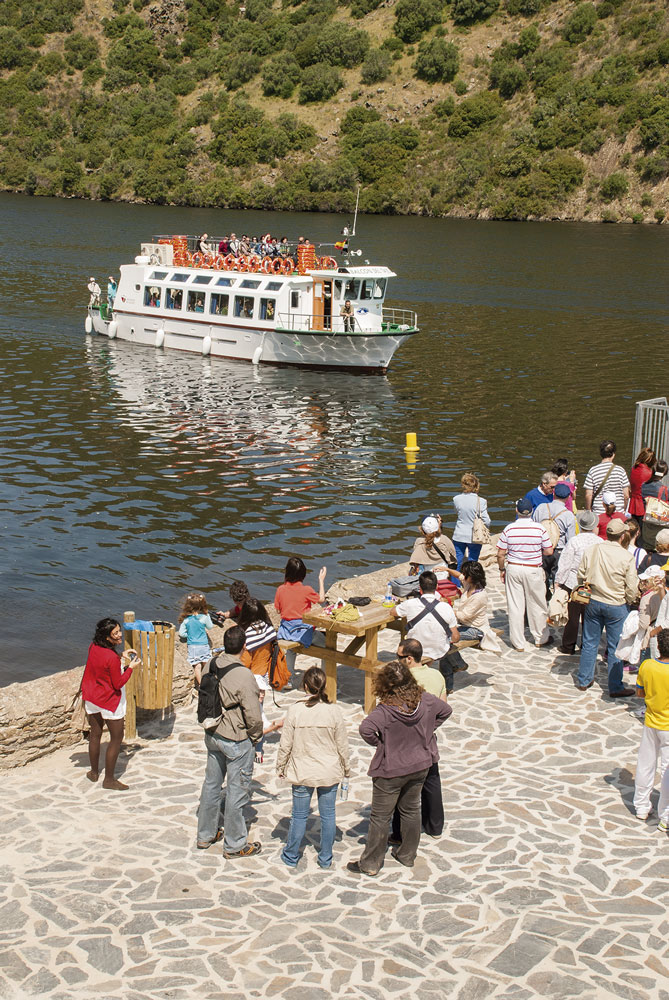
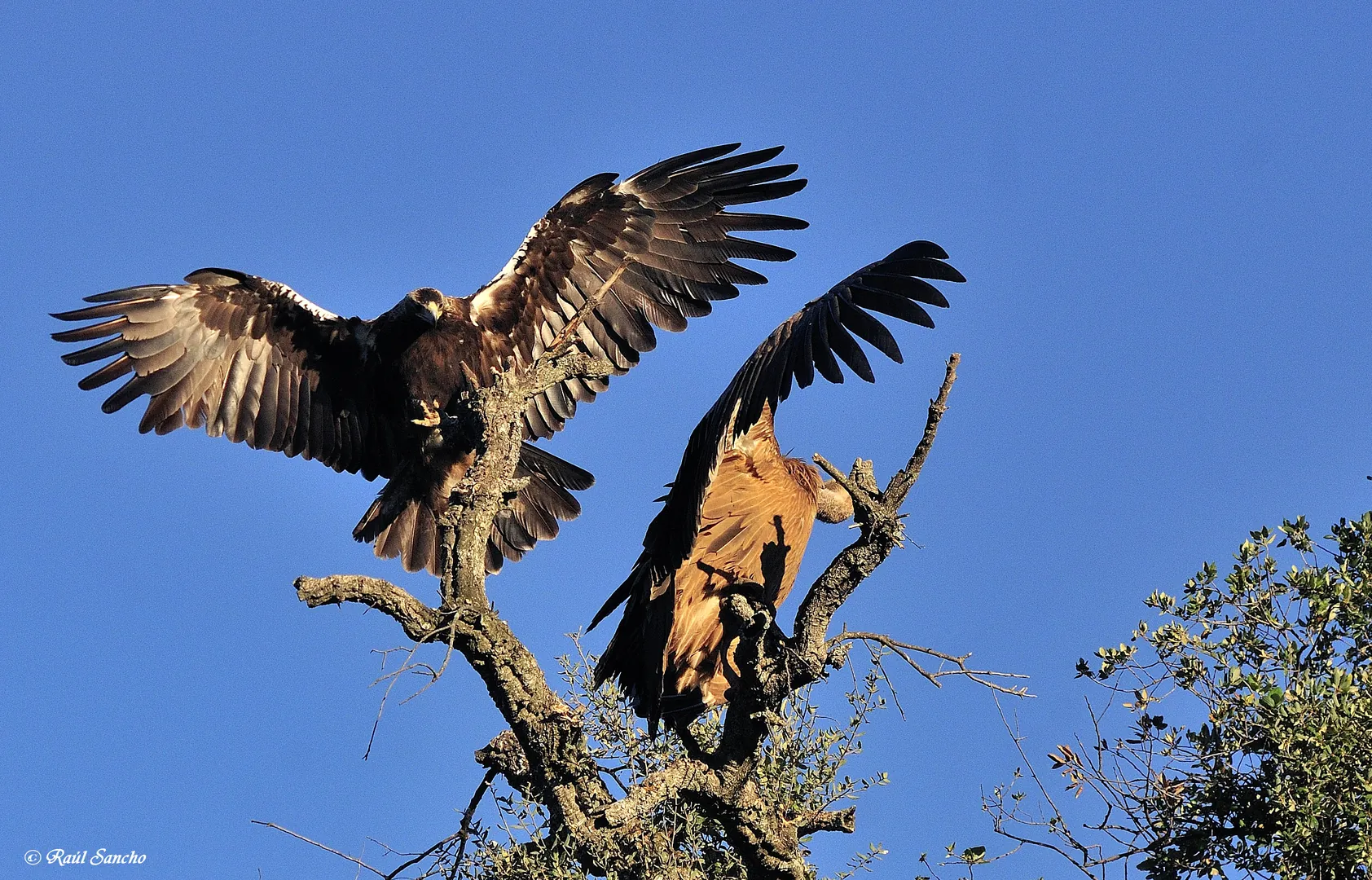
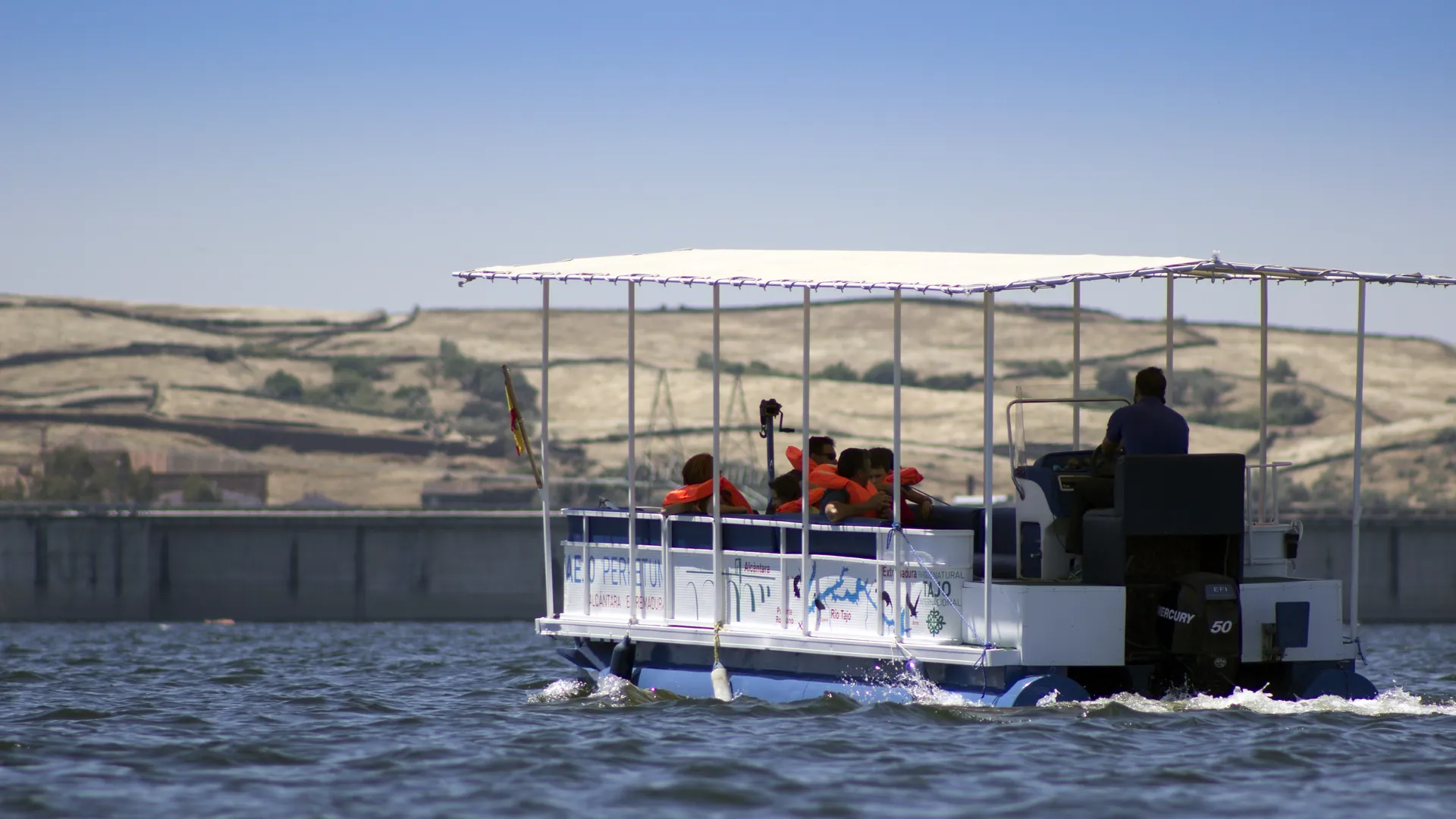
Having seen it from above, it’s time to explore the Tagus from below. The Balcón del Tajo runs through the natural park straddling Spain and Portugal, featuring birds, riverside dwellers and plenty of border scenery. The boat trips include commentary on the surroundings and the chance to spot black storks, Egyptian vultures and griffon vultures.

🥾 Km 40 · Look towards El Sever
After Cedillo, La Miñola
We arrived in Cedillo, one of the municipalities in the whole region with the closest ties to Portugal, to set off on one of the most popular long-distance routes: La Miñola. A 10.2-kilometre walk that will take you to a viewpoint overlooking the River Sever. Another river, another border and more scenery than can fit into a single photograph.

🌅 Km 45 · Cedillo Dam
This is where the road ends
The road ends by the Tagus and the Cedillo dam. Spain on one side. Portugal on the other. The Tagus in between. We’ve gone from the landscape of the dehesa to the border river, and from viewing it from above to sailing along it. Now it’s time to stop. And take a look.
END
Perhaps that is the best way to travel through La Raya: without worrying too much about where one country ends and the next begins. You come to understand it by walking between villages, crossing landscapes and discovering the stories that have been left behind on both sides. Because here, the border has changed many times. The landscape, far less so. Amidst dolmens, pasturelands, villages and the Tagus, there is something that has always transcended borders. The land itself.
TOP experiences
Round off your visit with some activities in the Tajo Internacional
Suggestions for making the Grand Tour even more rewarding.
Find out more
The Jewish Gothic Quarter of Valencia de Alcántara
- Valencia de Alcántara Tourism
Find out more
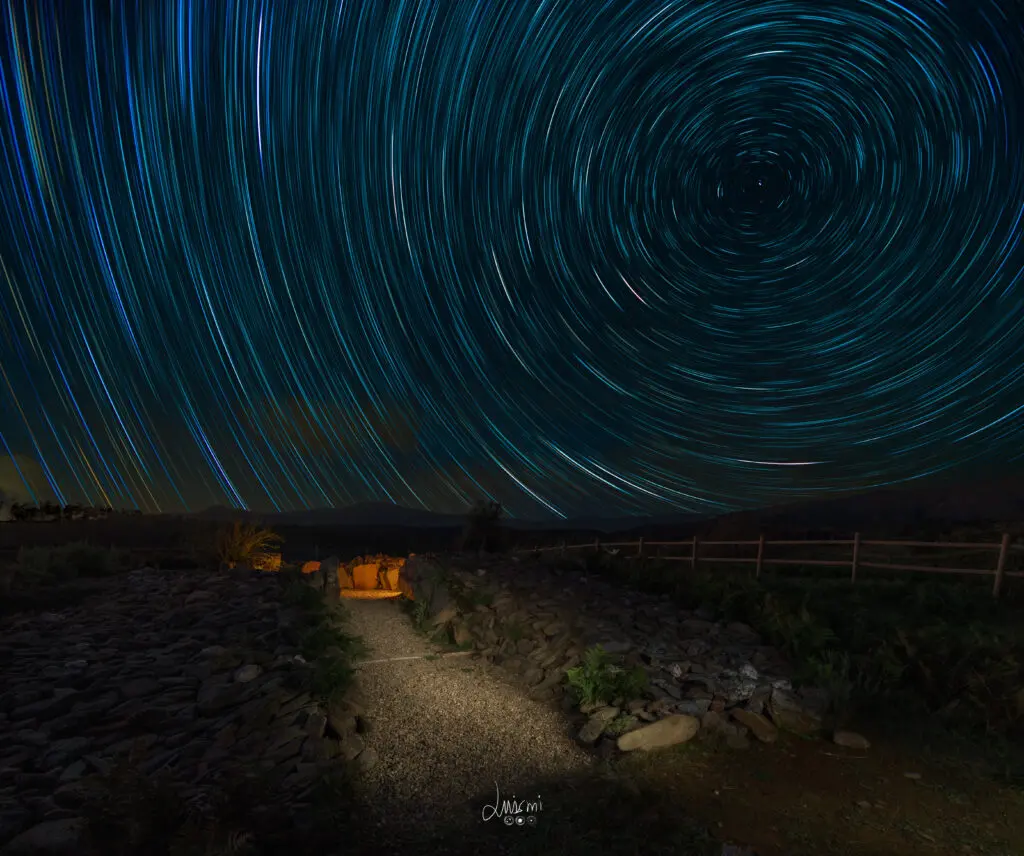
Megalithic cosmos
- Astrogata
Find out more
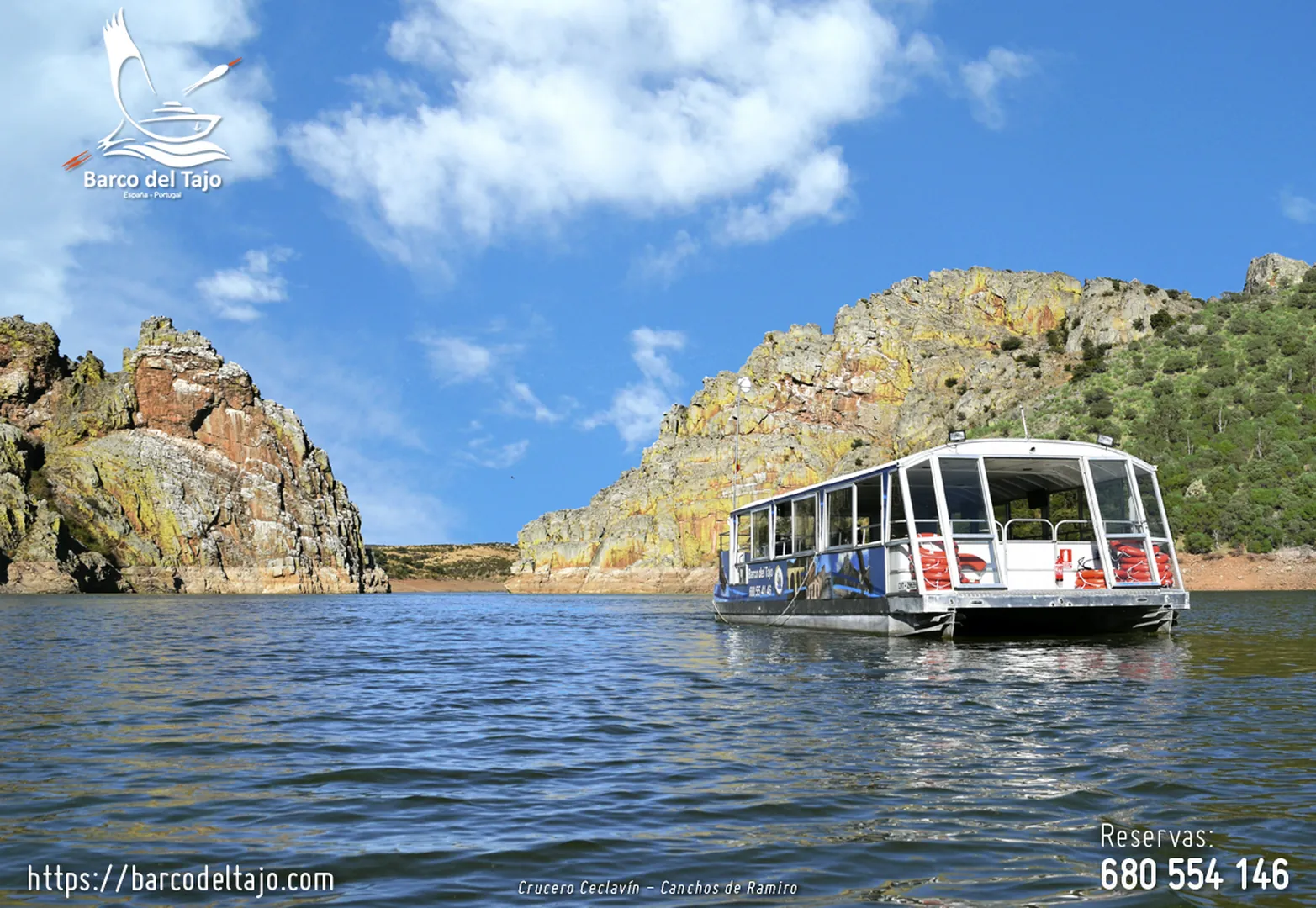
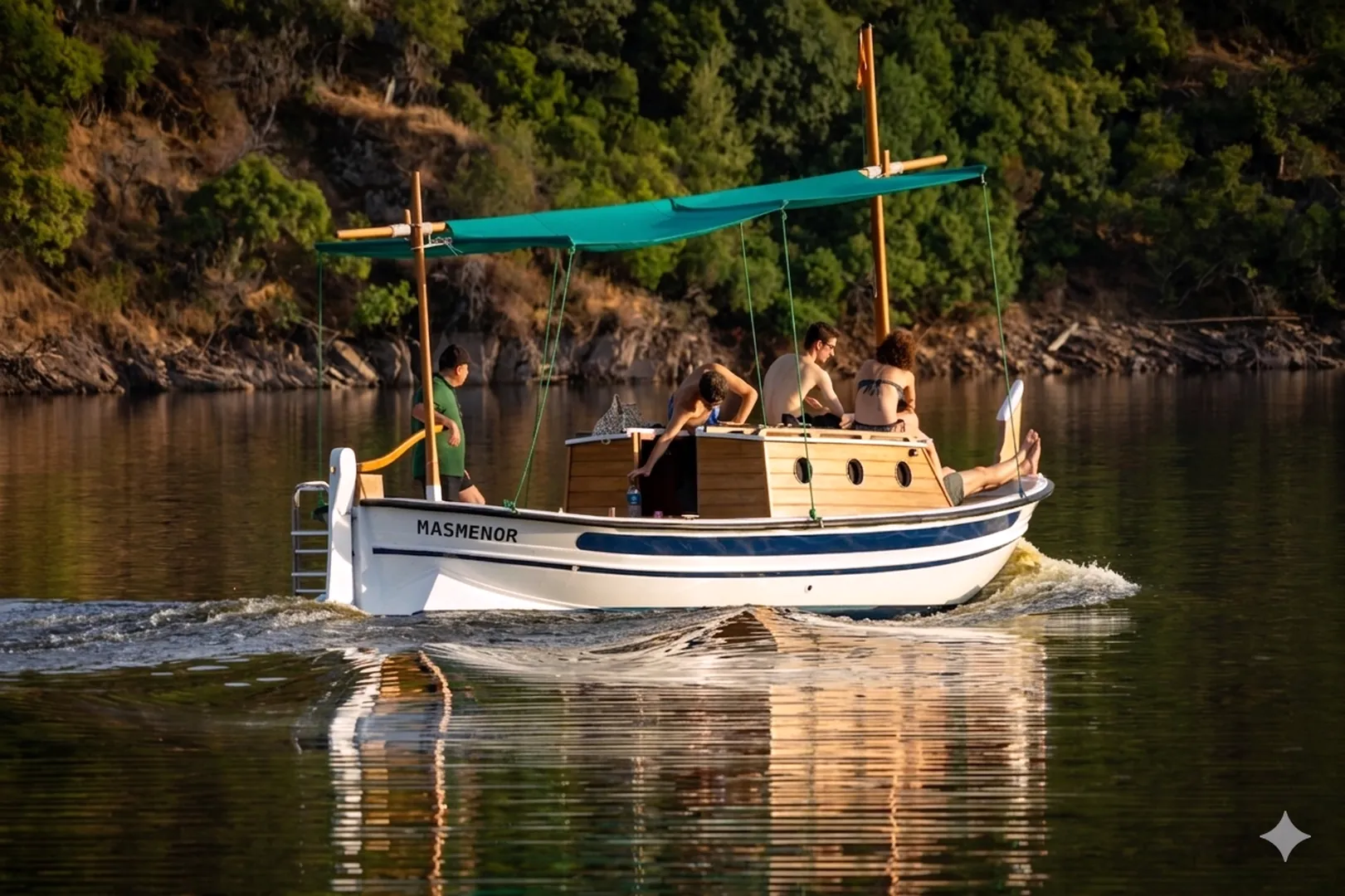
Canchos de Ramiro river cruise
- Boat on the Tagus
Find out more
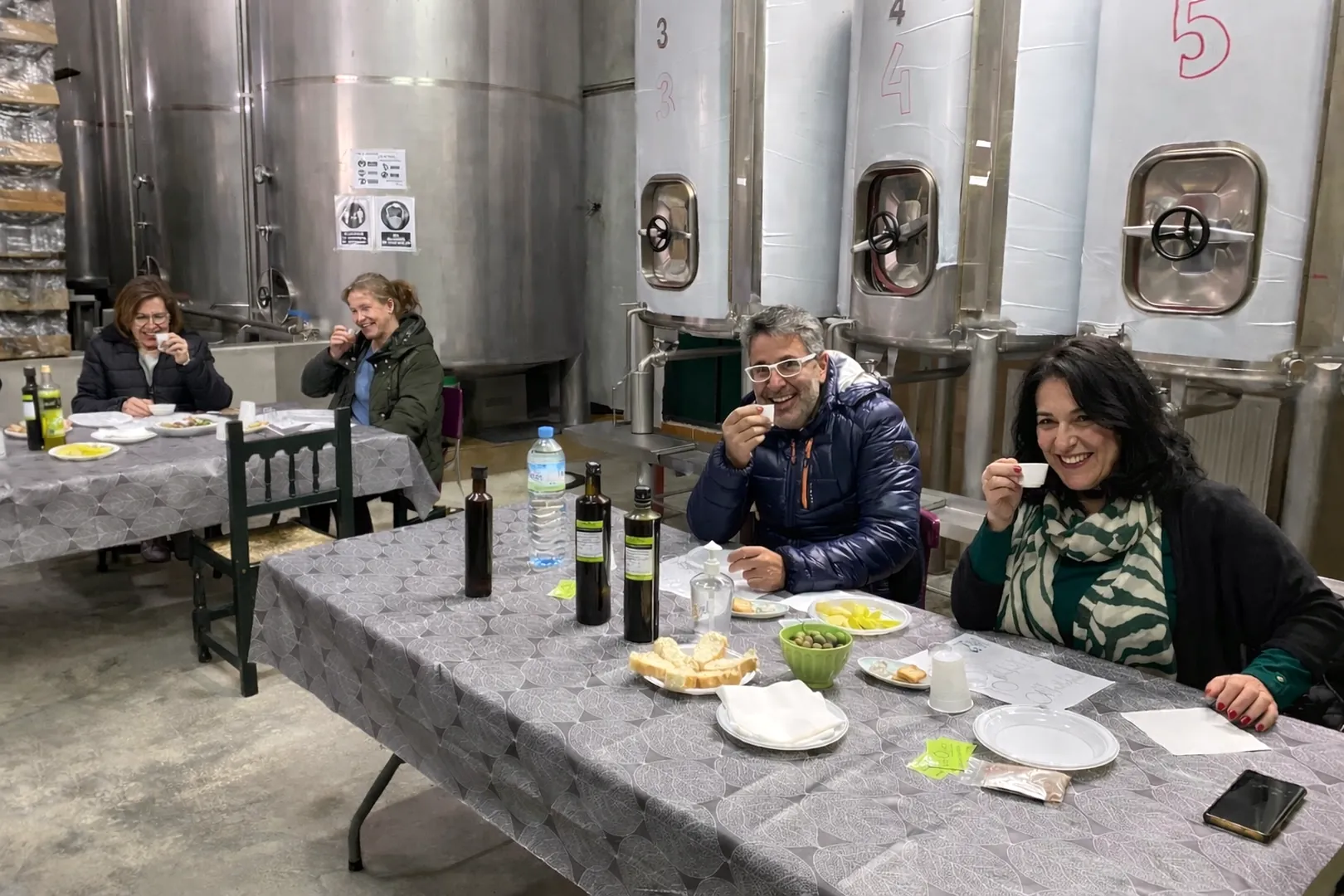
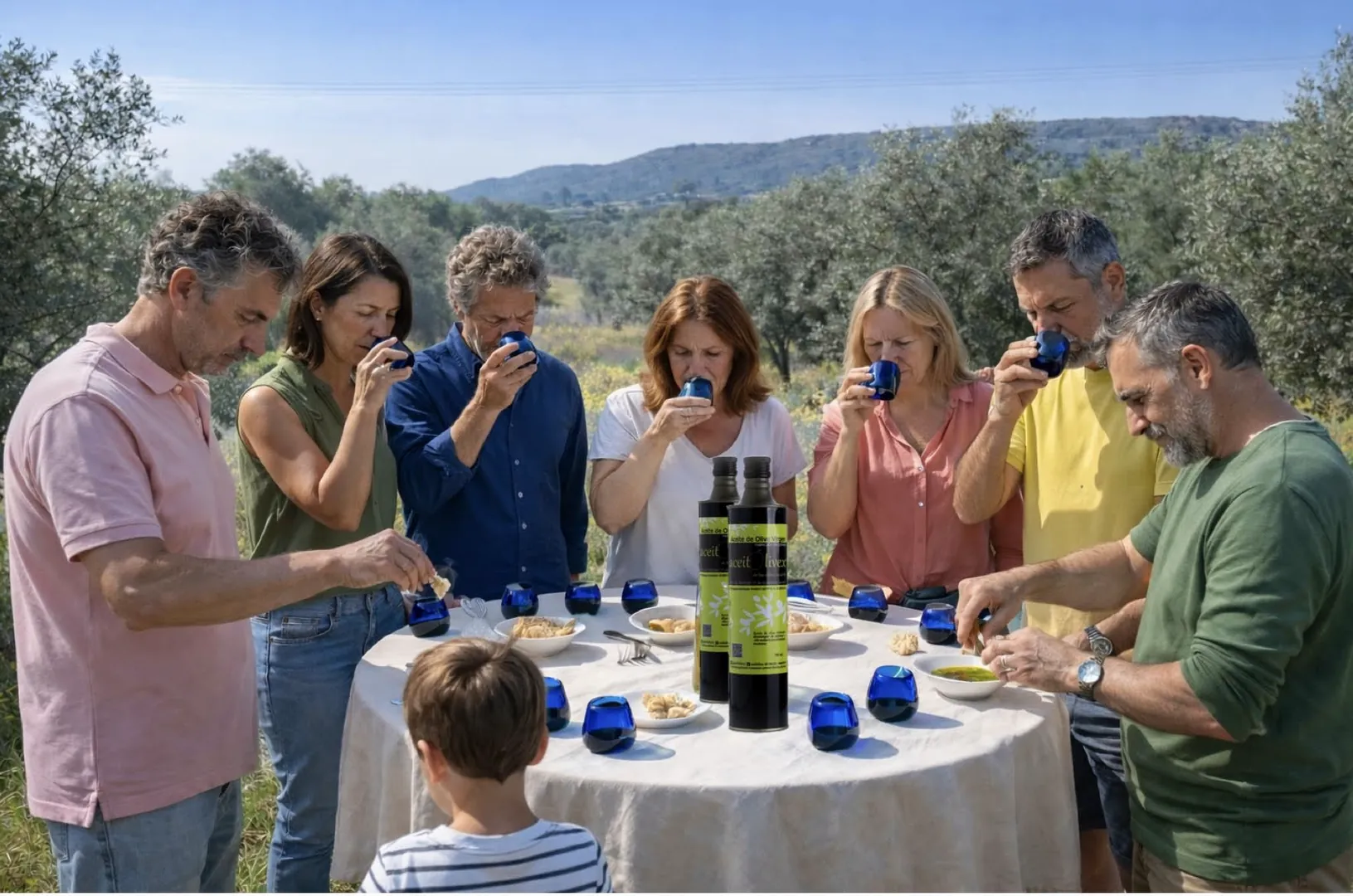
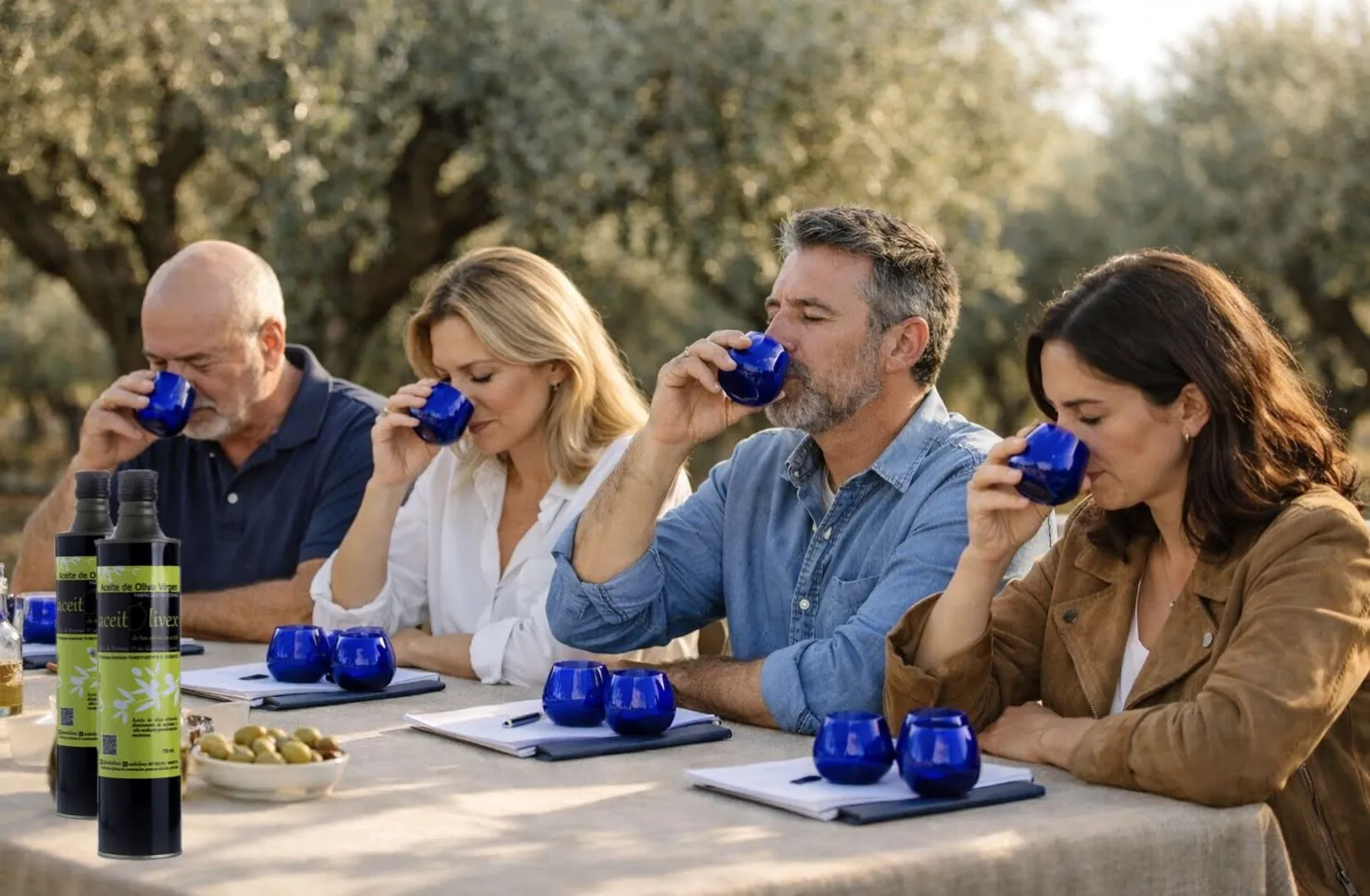
An oil miller’s breakfast
- Aceitolivex
Find out more
Oil-based soaps: The art of the natural
- Aceitolivex
Find out more
River cruise on the International Tagus
- Natura Boat
Find out more
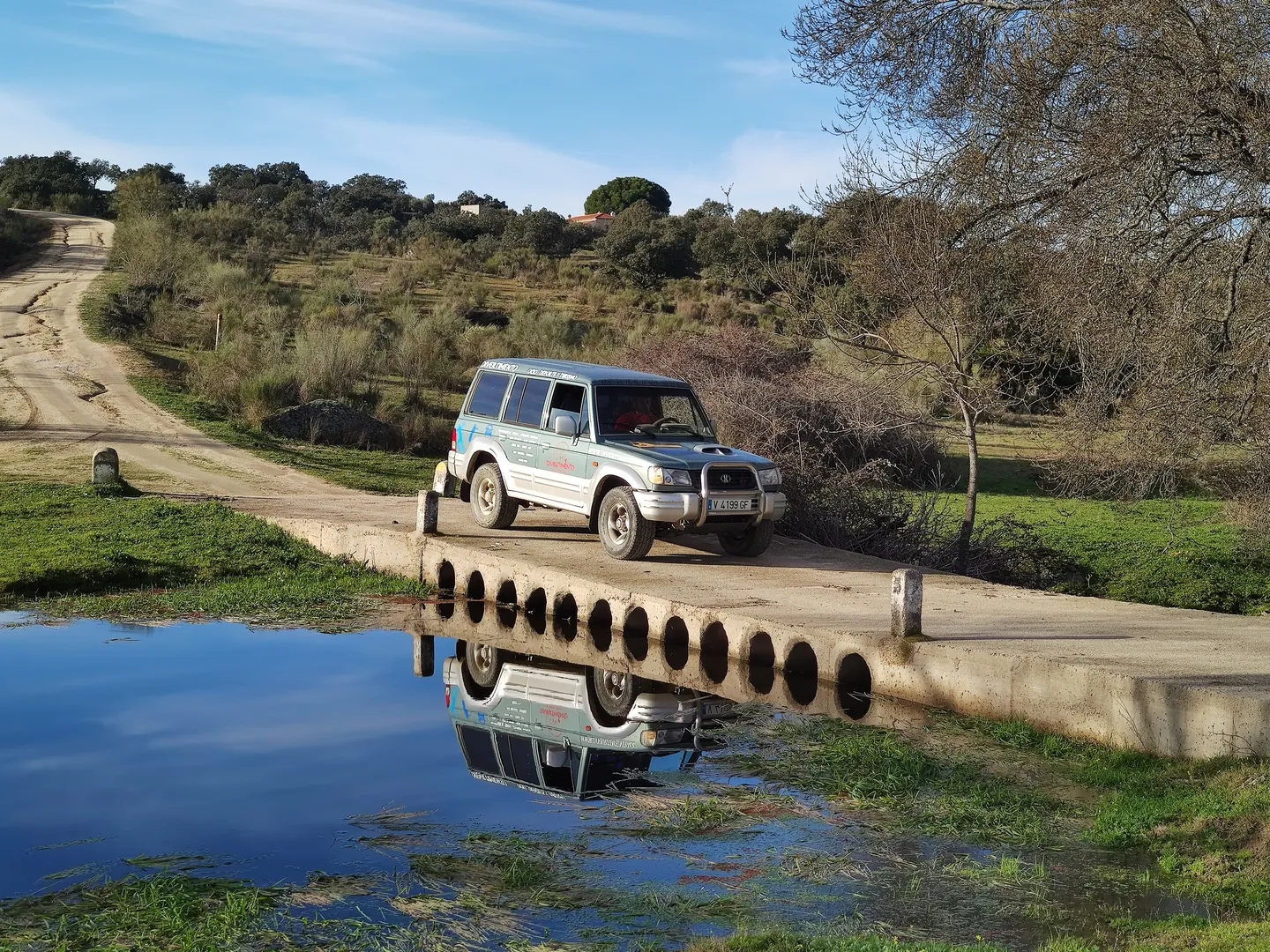
4x4 routes through the Tajo Internacional
- Divertimento
Find out more
Boat trips on the International Tagus
- Divertimento
Find out more
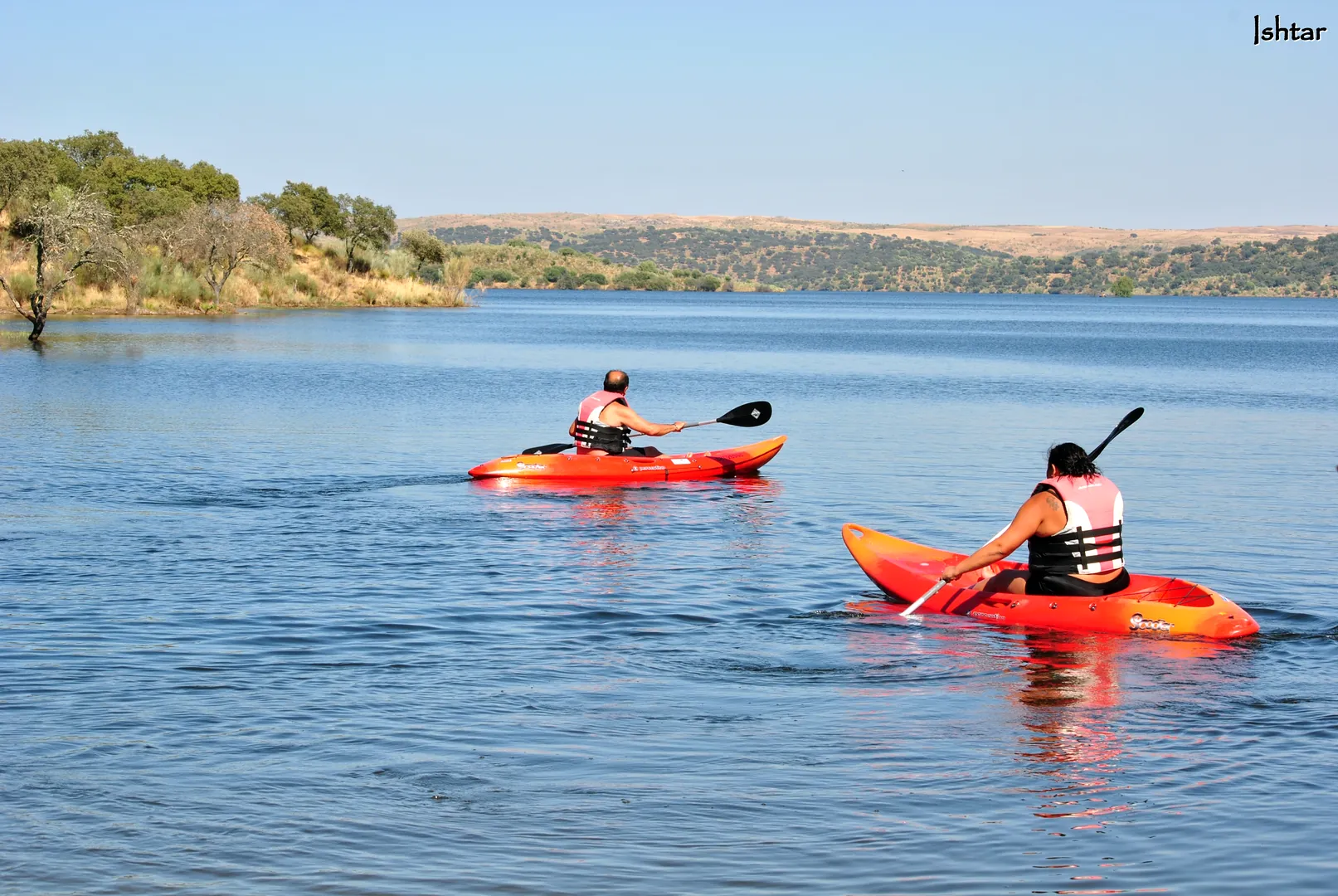
Kayaking routes on the Alcántara reservoir
- Divertimento
Find out more
The Dolmen Trail through two countries
- Marvao Horses
Find out more
The Return to the Templars Route
- Excursions in Extremadura
Find out more
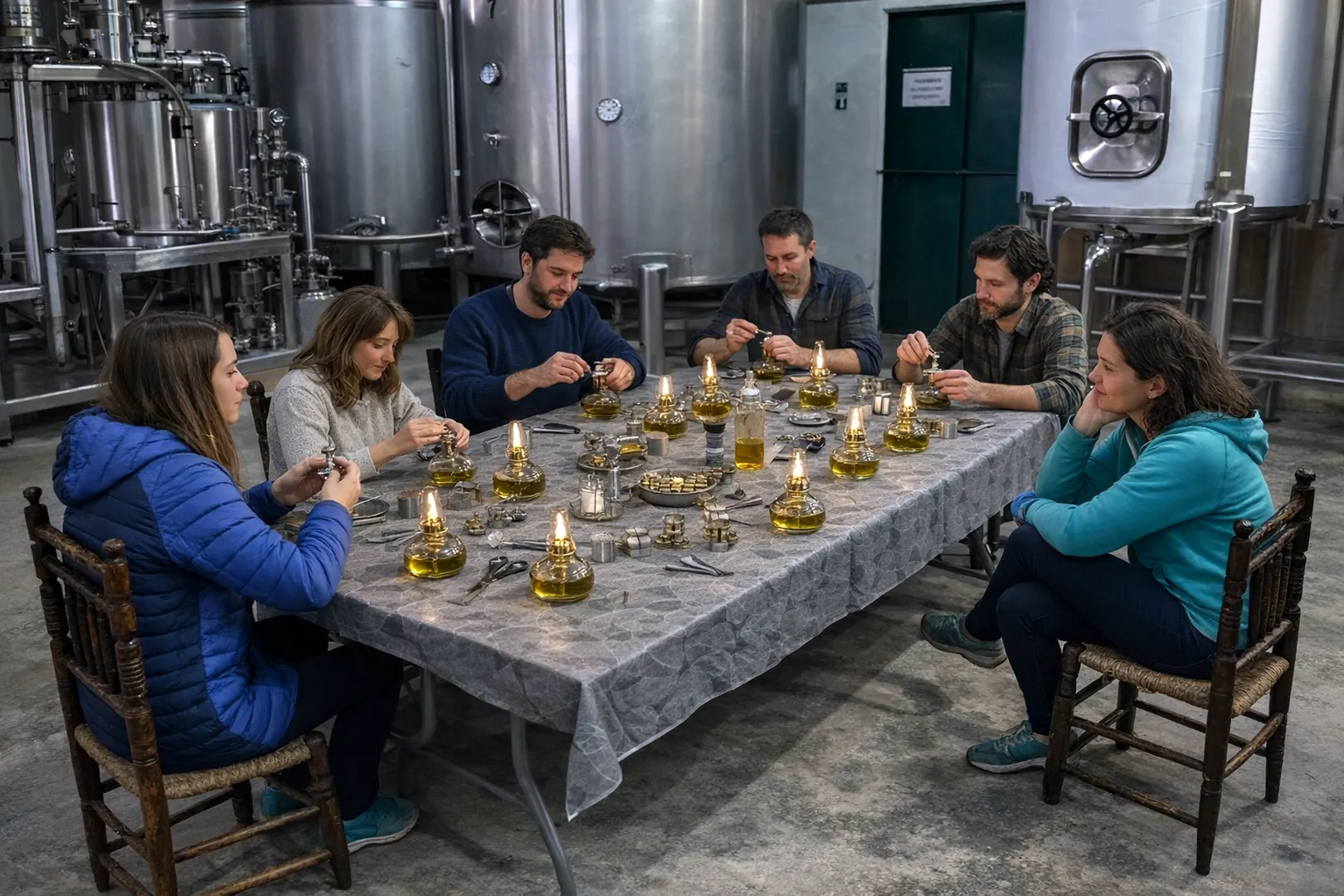
Handcrafted oil lamp workshop
- Aceitolivex
Find out more
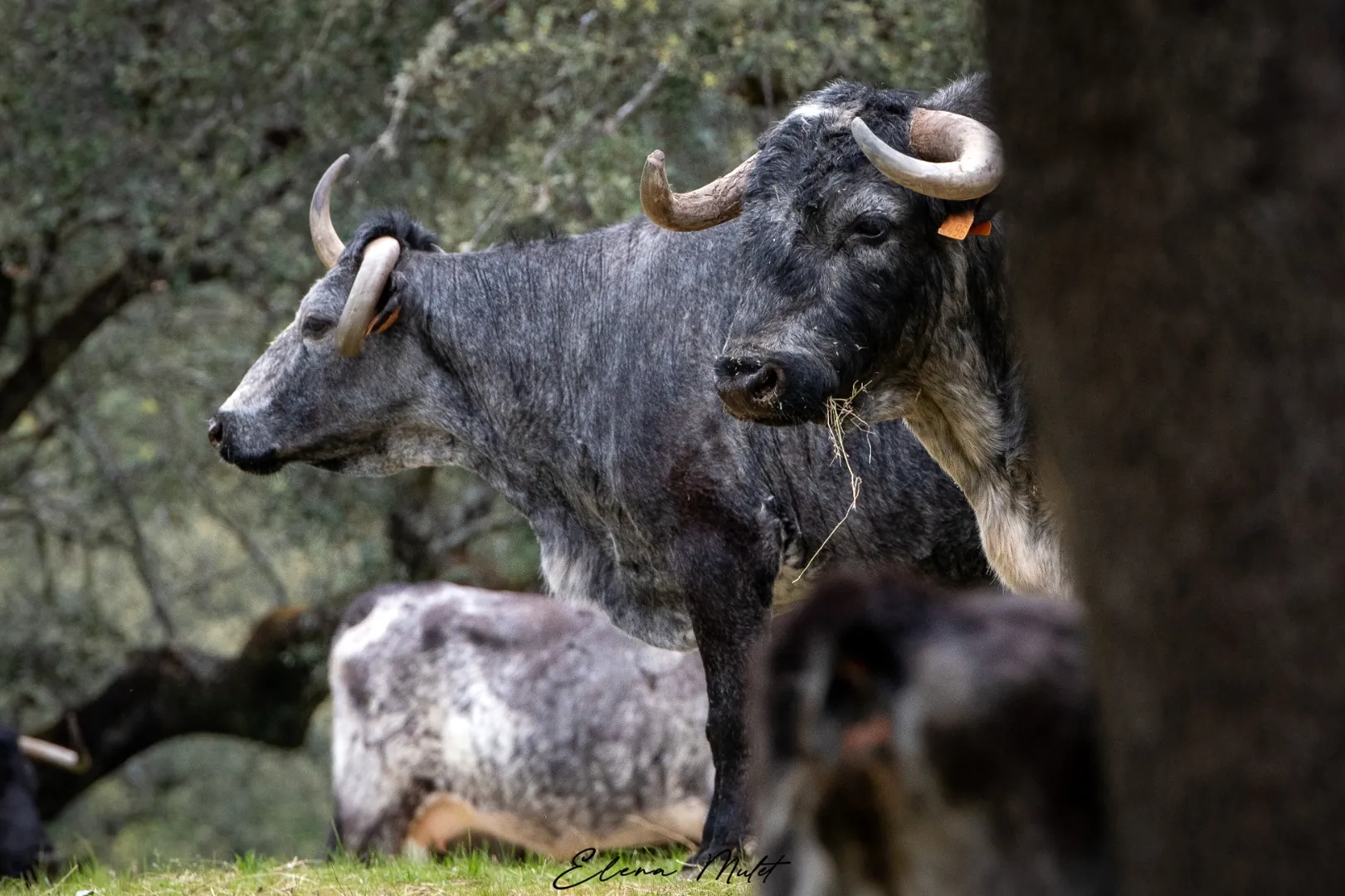
Bulls by Pablo Mayoral
- Herreruela